
With UK fish populations dwindling and informed choices more important than ever when buying seafood, the MCS’s Good Fish Guide is an indispensable companion for shopping sustainably
Words Jenny Oldaker | Illustrations Jack Tite / Marine Conservation Society | Photography Billy Barraclough
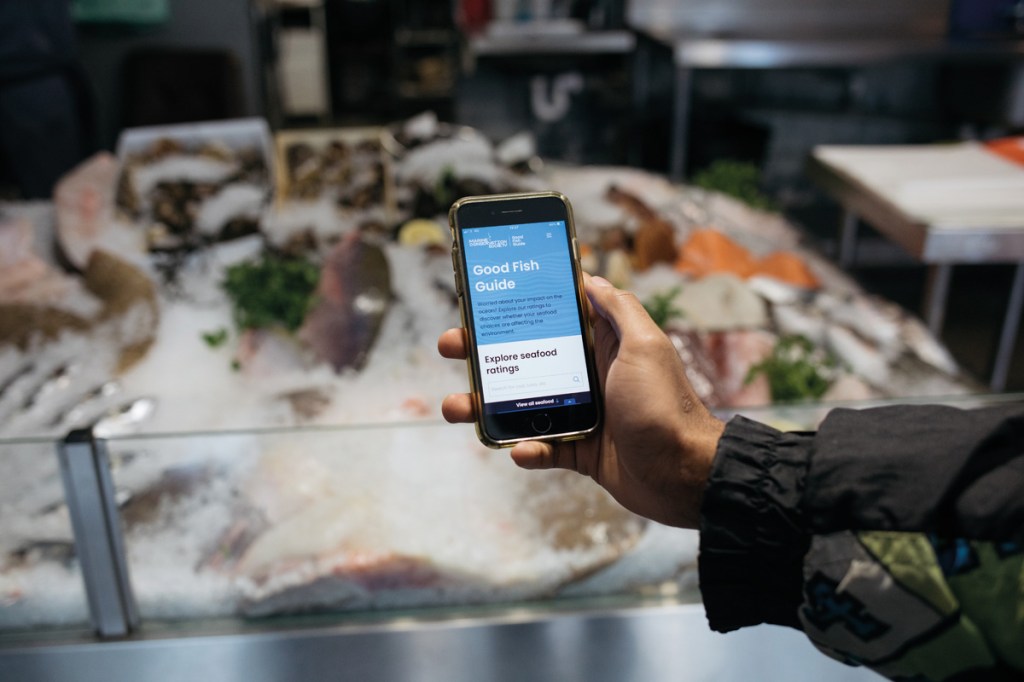
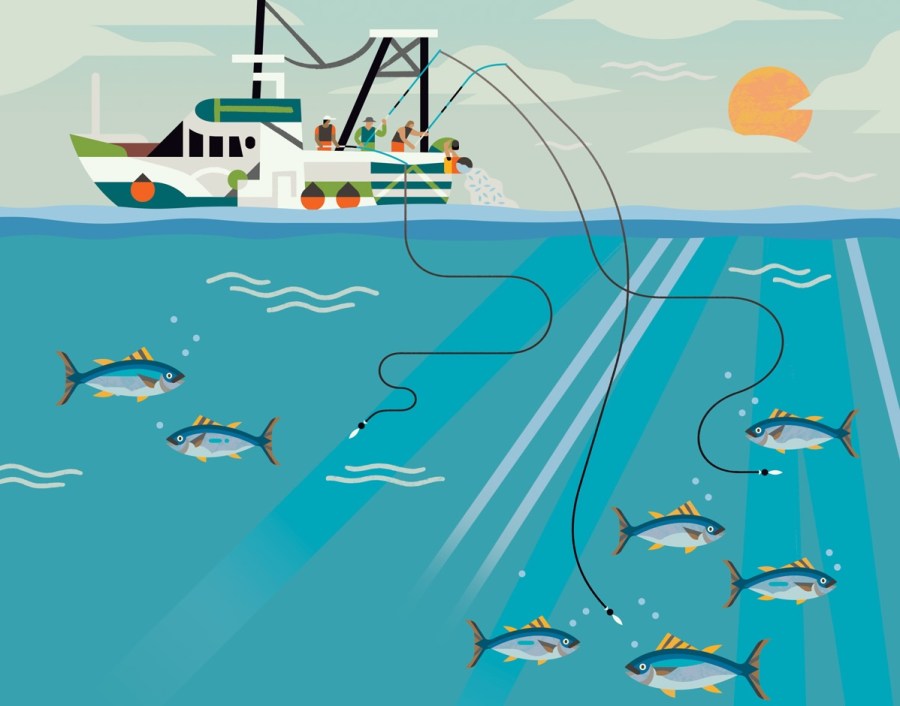
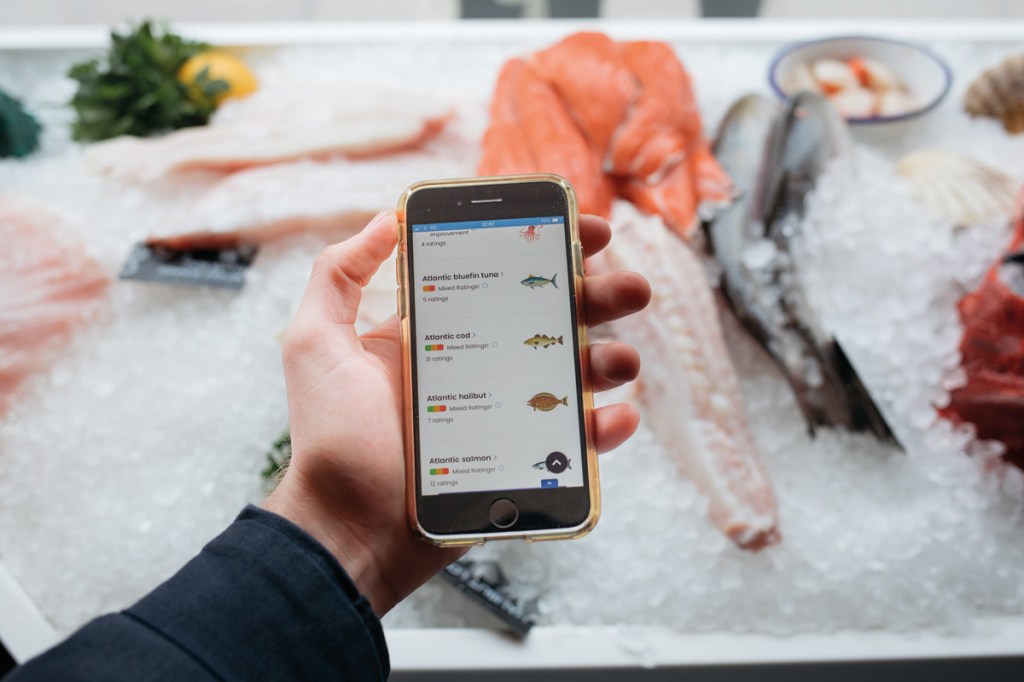
When shopping ethically for seafood, is it better to put a tuna in your trolley or a bream in your basket? This is the kind of question that the Marine Conservation Society’s (MCS) Good Fish Guide sets out to answer. The tool is an easy way for consumers to identify sustainable seafood, using a straightforward traffic light system to guide shoppers towards the best choices.
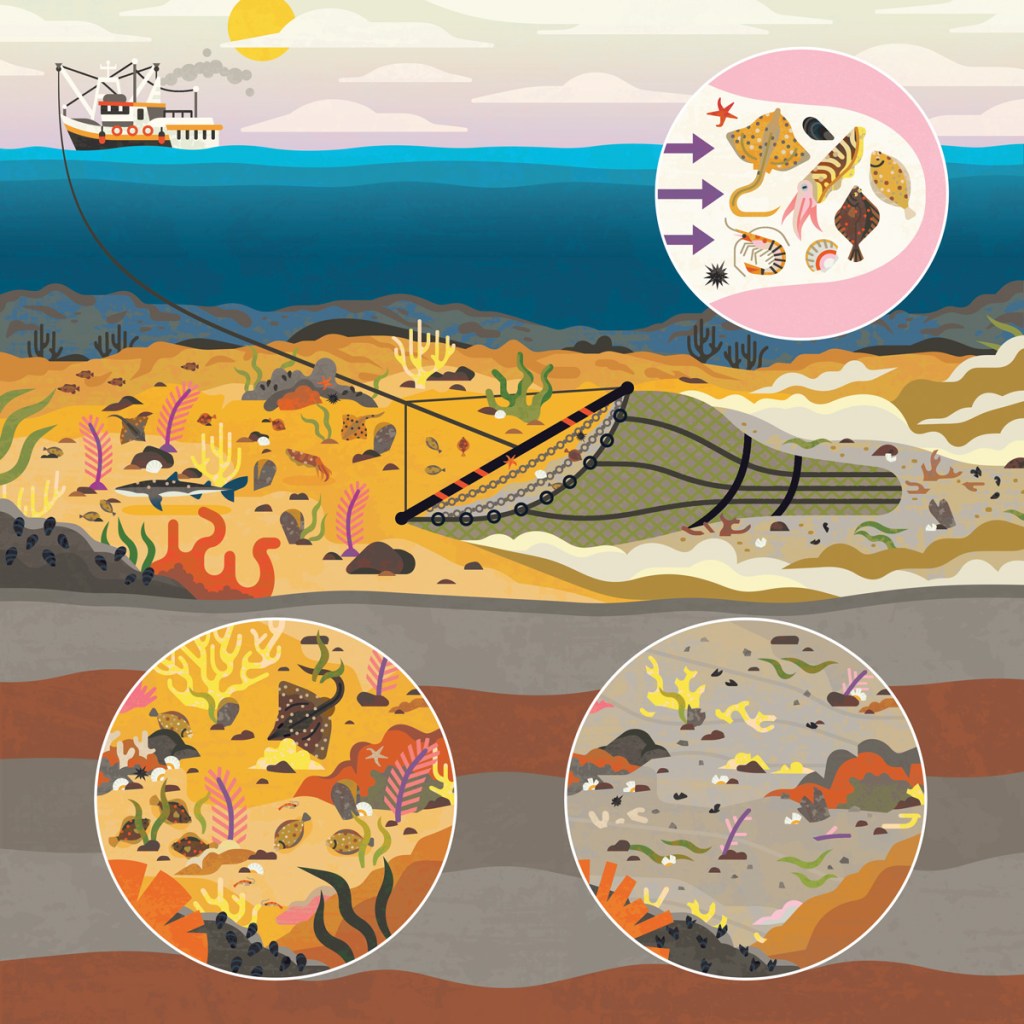
The guide covers seafood sold or produced in the UK, with green allocated to the ‘Best Choice’ most sustainable options, amber showing ‘OK, Needs Improvement’, and red to indicate ‘Avoid’ – unsustainable fish. Note that there are multiple ratings for each of the species featured, depending on where and how the fish or seafood is caught or farmed.
ALWAYS UPDATING
The charity updates the guide biannually, in order to reflect the fluctuations in scientific advice and changes in fish populations. Recently, it highlighted pressures on staple species like cod, which has seen UK populations decline since 2015 due to overfishing, climate-driven sea temperature changes, and ecosystem issues that affect breeding and survival. The latest update offers no recommended choices for UK-caught cod, citing better-managed fisheries, such as those off Iceland, as a more sustainable option.
The MCS guide also suggests alternatives for red- and amber- listed species, making it possible to swap problematic seafood for something similar, but with better environmental credentials. For example, the Good Fish Guide recommends alternatives to cod such as European hake, which is similar in flavour but has healthy UK stock levels, making it a more sustainable choice for a flaky white fish. Some UK haddock also remains a good option (depending where it’s caught – look out for haddock from the North Sea or West of Scotland for a preferable choice).
IMPORTED FISH
The UK imports around 80% of the seafood it consumes, and this guide emphasises the need for improved management of domestic fisheries to help rebuild stocks and reduce reliance on these imports. ‘The challenge isn’t that fish and chips will disappear, but that the species must be sourced from further afield,’ explains Kerry Lyne, GoodFish Guide Manager at the MCS. ‘As pressure grows on traditional choices like cod and scampi, the Good Fish Guide highlights more sustainable alternatives and shows how consumer choices can support healthier local fish stocks and better-managed fisheries.’
BUY BRITISH
The good news is, it’s perfectly possible to buy sustainable fish from British shores – the guide includes several well-managed UK options, such as sea bass from the North Sea, Celtic Sea and English Channel, plaice from the North Sea, and UK-farmed seafood like blue mussels and freshwater trout, which are more sustainable local alternatives.
Whatever type of fish floats your boat, making the Good Fish Guide a regular part of your food shop is an easy way to help our oceans, and you can take a look at the latest ratings or add the guide to your phone at goodfishguide.org.