


Historic coastal buildings reveal how communities once used signal towers, quarantine stations, and watchposts to protect their shores against disease, enemy attacks, and threats from the sea.
Before modern radar, radio, and satellite technology took over, coastal regions protected themselves using other means they built between the 1500s and the early 1900s. A few of those technologies included signal stations, quarantine buildings, and watchposts, and here are seven falling cleanly into these categories.
Cabot Tower, Signal Hill, St John’s, Newfoundland (Canada)
A signalling post is a high lookout where signalmen use flags to communicate with incoming ships and the harbour below. Cabot Tower was one such place, the last in a long line of buildings on Signal Hill. It was built between 1897 and 1900 in a sandstone Gothic Revival design by William Howe Greene to commemorate both the 400th anniversary of John Cabot’s voyage and Queen Victoria’s Diamond Jubilee.
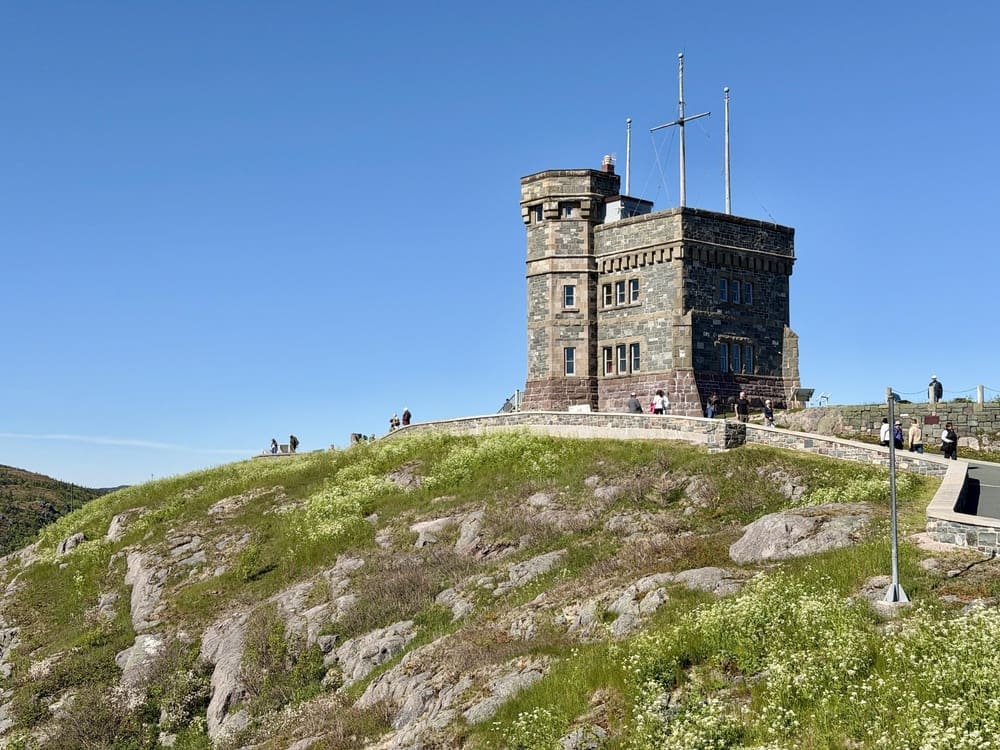
This tower had buttresses, an octagonal turret, and a mast on the summit that carried flags. Early on, flags flown on the hill told the British soldiers stationed in the town that a ship was arriving. Then, from the early 1820s, the system turned civilian; a noon gun marked midday, fog guns warned of fog, and merchant flags announced incoming commercial ships. When radio came, the system slowly became obsolete.
Naval Signal Station, North Berwick Law, East Lothian (Scotland)
The Naval Signal Station on North Berwick Law was built at the beginning of the 19th century during the wars with France. While in operation, it served as one link in a chain of Royal Navy signal posts that ran along the Scottish coast from Calton Hill in Edinburgh to St Abbs. These buildings were cut into the rock on a small terrace on the north side of the hill, just below the summit.
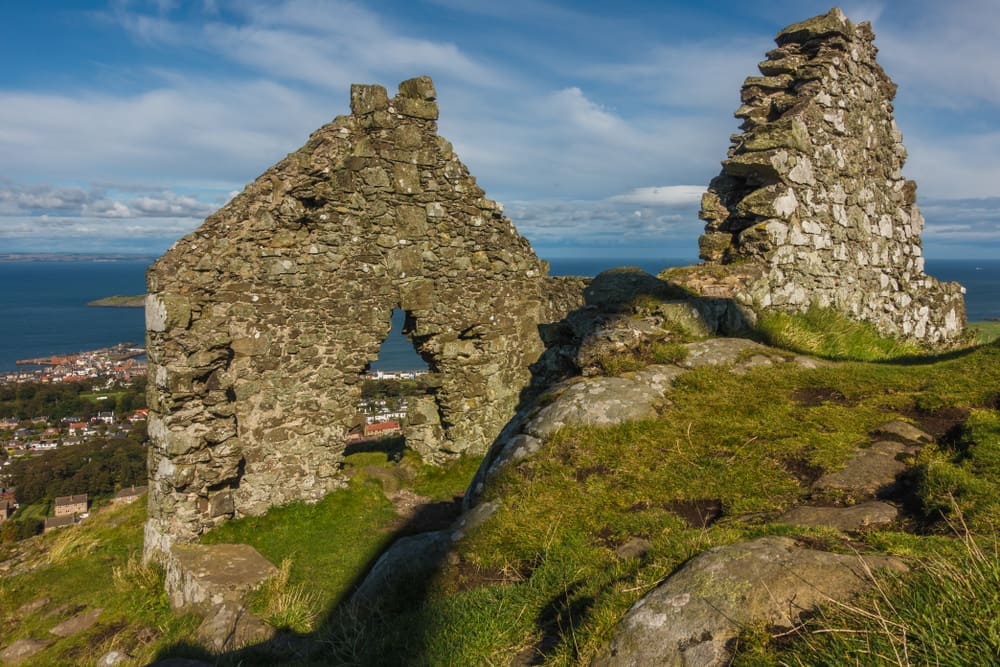
The station hoisted flags, pennants, and balls on a flagstaff, and a different combination of the three was a code that gave a ship’s position relative to landmarks. Nearby were other stations that relayed the message to Dunbar and Leith, where the Navy was stationed. After the war ended in 1815, the stations were abandoned or dismantled.
Lazzaretto Nuovo, Venice (Italy)
The Lazzaretto Nuovo was a quarantine station on an island in the Venetian lagoon, first recorded in 1015 as a walled vineyard surrounded by salt marshes, and later acquired by the Republic of Venice. The first plague hospital, the Lazzaretto Vecchio, was founded in 1423. Then, in 1468, Lazzaretto Nuovo became the second station due to its strategic location at the lagoon’s entrance.
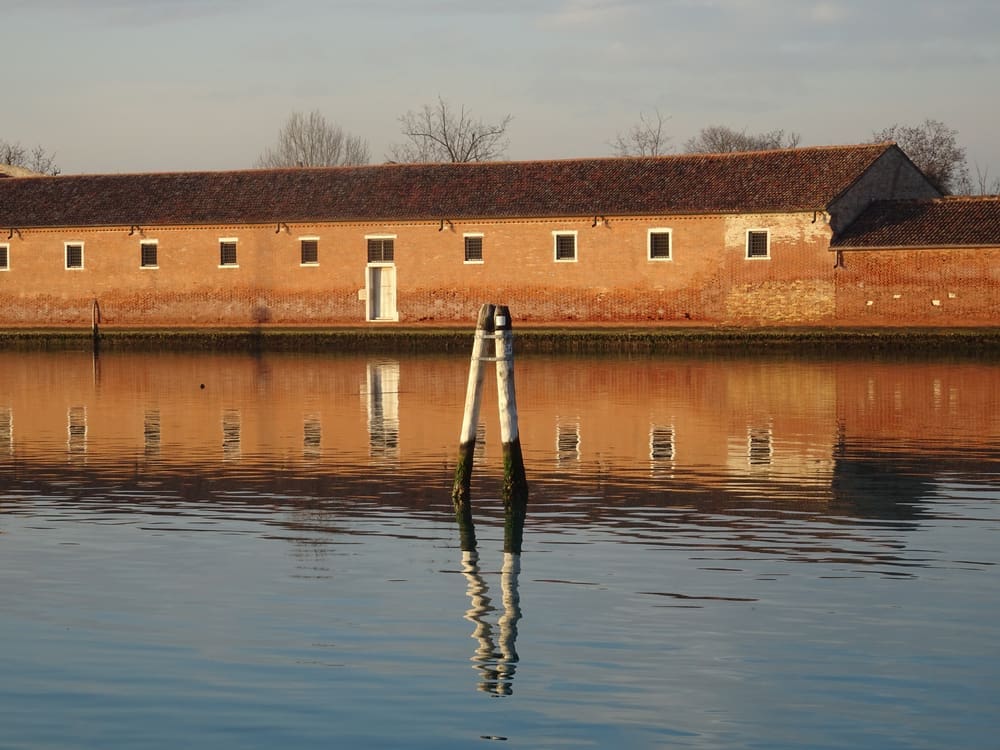
Its Tezon Grande (“big shed”) building was built in 1568 and is one of the largest public buildings in Venice, over 100 m long. During the devastating plague outbreaks, the crew and passengers of any ship arriving from a suspected plague region were held on the island. The cargo was also unloaded into the Tezon Grande, aired then cleansed.
North Head Quarantine Station (“Q Station”), Sydney (Australia)
Sydney’s quarantine station for ships carrying disease was at the North Head Quarantine Station on the Spring Cove side of the harbour entrance. This station’s first known use was in August 1828, when the convict ship Bussorah Merchant was held after smallpox hit those on board. The average stay was three weeks.
On the bush headland are buildings, a wharf, and burial grounds. Once a ship with suspected disease was held at the harbour entrance, the crew and passengers were isolated by class, health status, and group. Guards stopped anyone leaving without medical clearance to keep other people safe. This station held more than 500 ships between 1828 and 1984.
Wignacourt Tower, St Paul’s Bay (Malta)
The Wignacourt Tower was built out of pocket by Grand Master Alof de Wignacourt, head of the Knights of the Order of St John. Wignacourt erected the structure to guard St Paul’s Bay, the traditional site of the apostle’s shipwreck, against raids from the sea. It was a two-story square tower with two barrel-vaulted chambers, and an artillery battery was added in 1715.
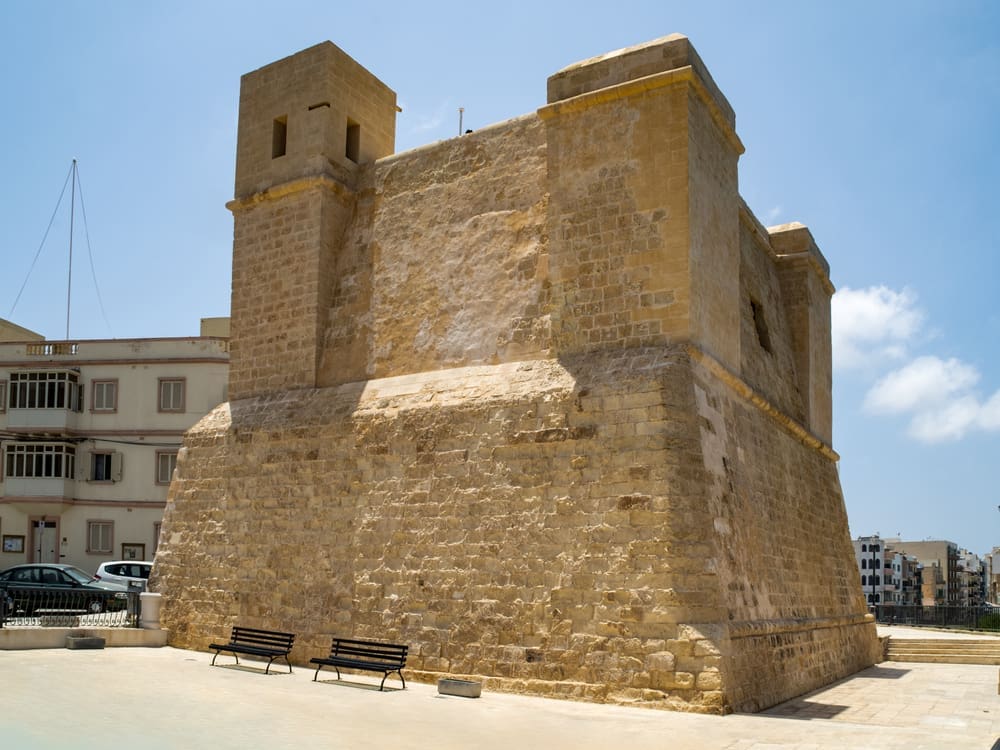
Lookouts on the roof watched across the bay, while the guns on the battery covered the water. This tower was the island’s first major post, built to guard the north. Over time, the Wignacourt Tower outlived its purpose and was abandoned. Today it is a small museum that exhibits models of Maltese fortifications.
Torre des Savinar, Ibiza (Spain)
In 1756, an engineer by the name of Joan Ballester y Zafra was commissioned to design a chain of watchtowers on Ibiza. The project came to an end on 26 October 1763, under Charles III. These buildings were to warn of Barbary and Ottoman corsairs (pirates raiding for plunder and captives)
Torre des Savinars stands about 200 m above sea level in Sant Josep de sa Talaia, facing the islets Es Vedrà and Es Vedranell. Five towers that belonged to the 1763 system, and two older ones, survive today. Whenever watchmen (terreros) saw enemy sails, they lit smoke or fire signals seen from the next tower, and the warning was passed inland to the villages.
Santa Maria di a Chjappella Tower, Rogliano, Cap Corse (Corsica, France)
The Tower of Santa Maria di Chjappella, a Genoese tower, was built in 1549 at Genoa’s instigation, at the entrance to Sainte Marie harbour, about 40 km north of Bastia. Just like a typical Genoese tower, this one was also circular, 12 to 17 m high, with a base 8 to 10 m wide. While in operation, two to six guards, called torregiani, kept watch from each tower.
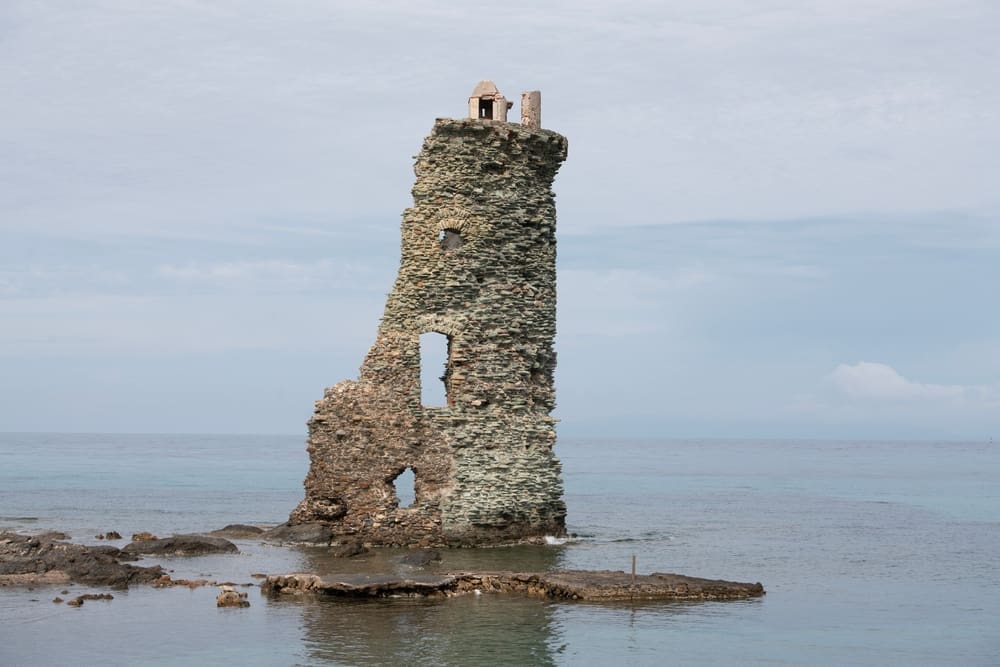
Once they spotted danger, they sent smoke signals or blew the colombu, a sea-shell horn. The nearby village caught the news, and passed it on so the people in the villages could be warned in time to flee or get ready to defend themselves. The tower was partly destroyed by the British fleet during the French Revolutionary Wars.


