


Coastal communities turning sea fog into a source of fresh water are using specialised collection nets to overcome water shortages in some of the world’s driest regions.
Some dry coastal regions have a hard time sourcing fresh drinking water. Saltwater intrusion happens when one digs a well, desalinisation is expensive, and some locations are deserts, meaning expected rainfall is not a reliable source. For these reasons and more, communities resort to turning sea fog into a source of fresh water using specialised equipment. The following five communities are either still doing it or did it before they found a better solution to their drinking water crisis.
Chungungo, Coquimbo Region (Chile)
The town of Chungungo in Chile, a fishing village, initially brought in its fresh water by truck and stored it in old oil drums for use. The area has a record of getting around 60 mm of rain yearly, not enough to support the population there. So, from 1987 to 1991, the International Development Research Centre (IDRC) and other bodies built a proof-of-concept project on El Tofo ridge with 50 fog collectors. Their goal was to collect water to irrigate a forestry plantation.
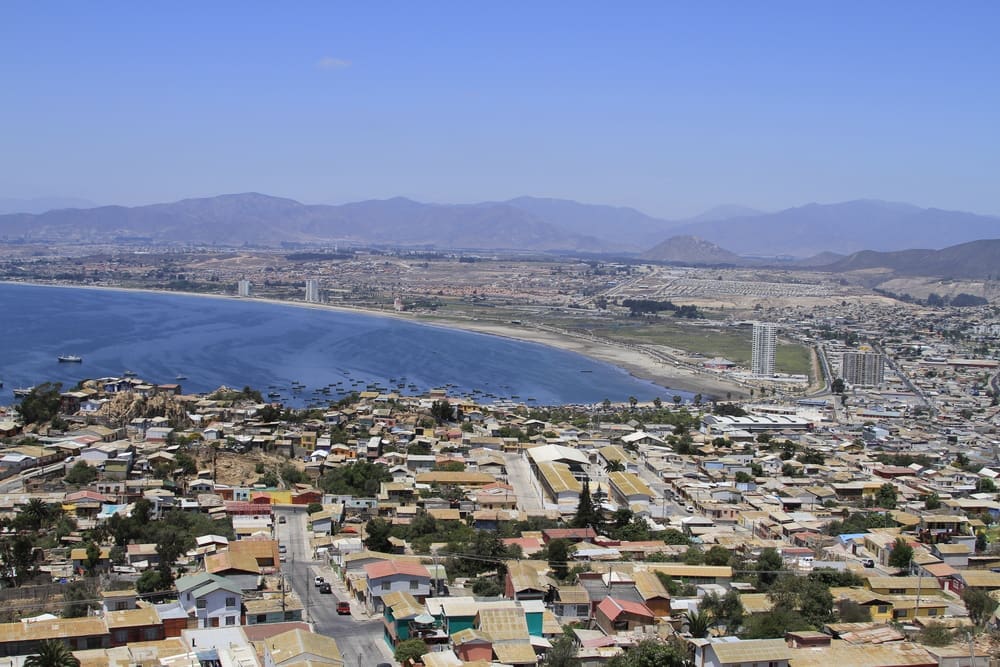
By May 1992, the project had become domestic with a 6.2 km buried pipe supplying more than 100 homes in the area. Its 94 to 100 collectors gave an average of 15,000 litres a day, peaking above 100,000 litres a day. Then in 2000, local politicians stopped pushing for repairs and instead lobbied for a river pipeline or desalination plant. Because repairs stopped, all mesh on the collectors tore, and the pipes themselves degraded, and by 2003 none were operational. The government never built the plant, and so people went back to the water trucks.
Lepelfontein, Northern Cape (South Africa)
This small mission station in South Africa, founded as a church settlement, had a water crisis that forced the locals to truck in water from a town 70 km away. This then prompted the Water Research Commission (WRC) to fund the fog-to-water research project that began in 1995. From September 1999 to August 2001, a 70 square metre collector stood on the hill crest beside the mission station. This system was able to collect roughly 148,691 litres during that two-year period.
This water had elevated sodium content, probably from the sea spray, but it was still well within safe limits to consume and use domestically. At its peak, daily yields approached a quantity close to 4,000 litres. However, this number wasn’t consistent because it could fluctuate from thousands of litres per day to a few hundred to none at all during dry spells.
Aït Baamrane, Guelmim-Oued Noun Region (Morocco)
Aït Baamrane in Morocco is a Berber (Amazigh) tribal region where the Anti-Atlas mountains, the Sahara, and the Atlantic coast meet. Since rain has always been scarce here, residents have learned to use under 10 litres of water a day, and initially women spent three to four hours a day fetching water from wells. Dr Aissa Derhem, a native of the area, sought a solution to this problem by founding Dar Si Hmad to launch a pilot project based on a FogQuest design.
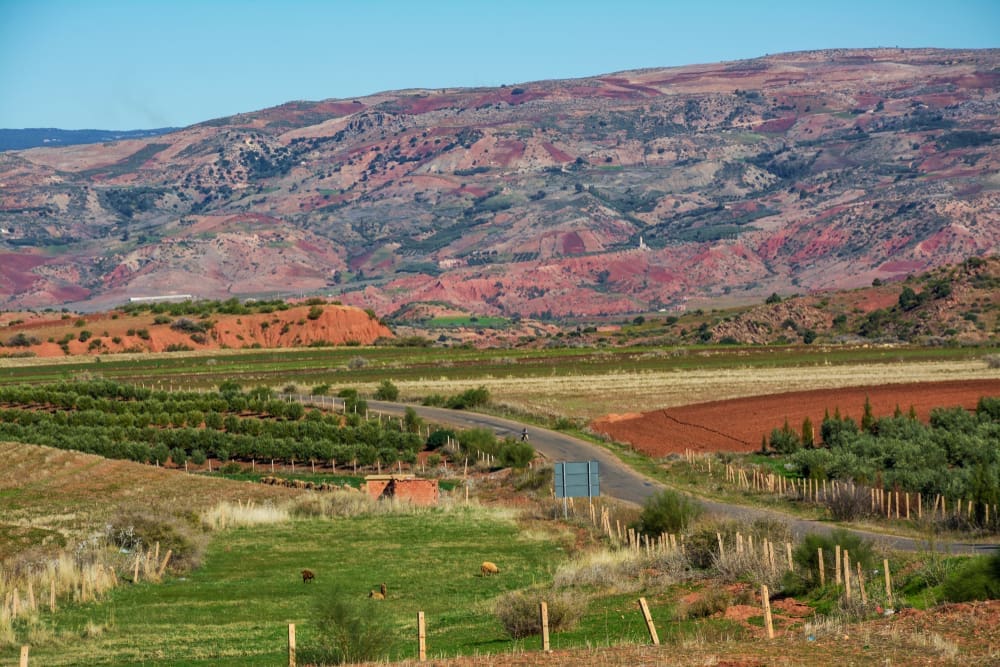
The initial system featured 15 to 20 units totalling roughly 600 square meters of net on Mount Boutmezguida at 1,225 m. This system uses pipes that stretch about 7 km with a gravity flow drop of 750 m, and it began with an average of around 6,300 litres of fresh water daily. Since Moroccan law mandates that water be mineralised, the fog water collected is mixed with groundwater. People pay using a prepaid card to keep the supply running. Recent reports claim that after major expansions, the supply can go as high as 37,000 litres a day.
Villa María del Triunfo, Lima Region (Peru)
Lima is the second-largest city in the world built on a desert after Cairo, and it hardly ever rains there. Villa María del Triunfo, a district in Lima, suffered the same fate, mirroring a broader crisis across the capital where more than a million people lacked piped water. The German group Alimón e.V. arrived in 2006 with a pilot project to solve this issue, and they worked hand-in-hand with the Peruvians Without Water movement (Peruanos Sin Agua), run by Abel Cruz.
In 2009, 7 to 10 nets went up in the Bellavista settlement, and the United States Agency for International Development (USAID) offered a grant that funded 20 more nets that served 75 families in the area. The Cerro Nueva Esperanza hilltop settlement also got 20 nets with 6 or 8 by 4 metre screens that collected about 90 litres of water daily per net, hitting 2,000 to 3,000 litres total at its best, for over 70 families. Despite the high volumes, the water wasn’t safe for drinking without treatment because airborne contaminants settled on the mesh. Residents have to boil it to drink it. More recently, around 40 catchers were installed at Tres Miradores, serving roughly 180 families.
Falda Verde, Atacama Region (Chile)
Falda Verde is a coastal hill that sits about 5 km north of the fishing port of Chañaral. Since the area’s yearly rainfall average is around 10 to 15 mm, residents rely on a pipeline from Copiapó, 180 km south for domestic water. With a Canadian charity, FogQuest’s help, a group of 18 fishermen with 70 family members, the Atacama Fog Collection Group oversaw the implementation of a fog-to-water collection system in 2001 to support agriculture.
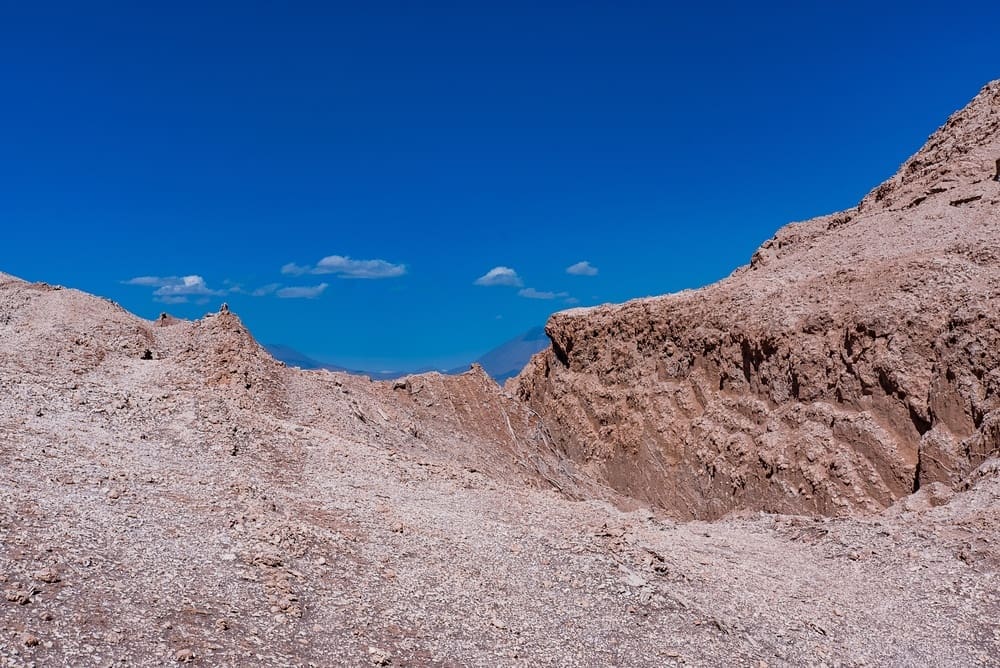
Six large collectors of 48 square metres each began supplying a greenhouse and an aloe vera plantation in 2001. By 2005, four new 40-square-meter collectors were added, raising the output from 400 to 600 litres a day. With this new capacity, locals have been able to expand their aloe vera cultivation.