
Our coastline is renowned for its stylish architecture. We talk to 10 of the top UK practices designing for our shores and find out how best to make the most of that sea view
Words Jenny Oldaker
Roderick James Architects
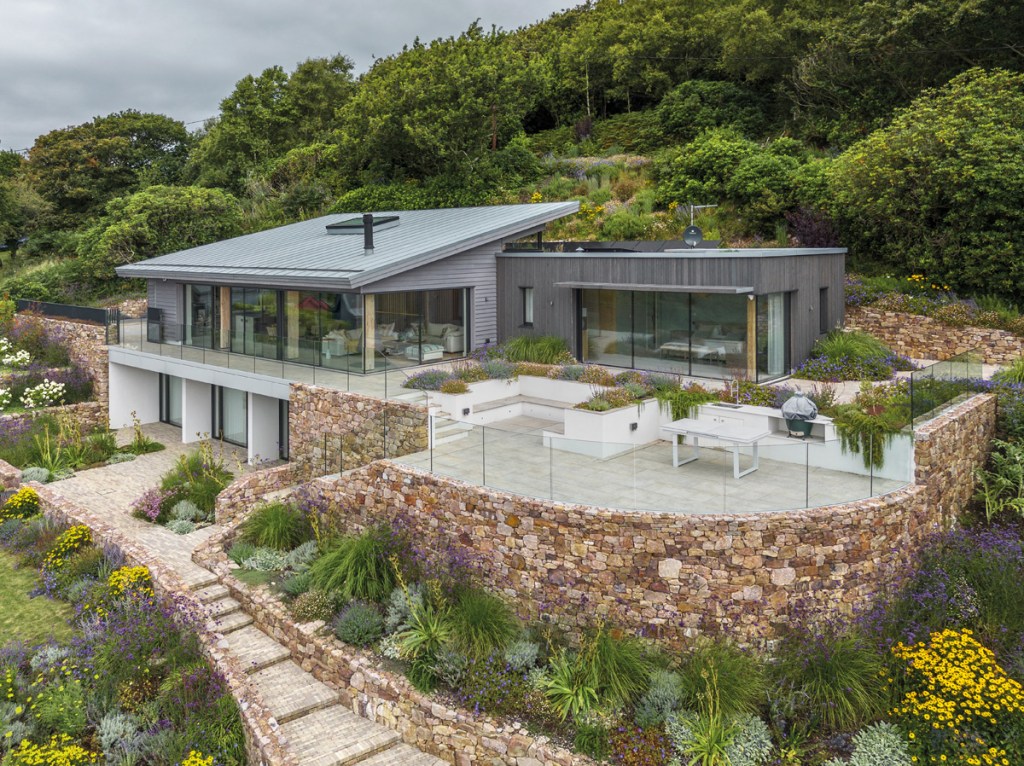
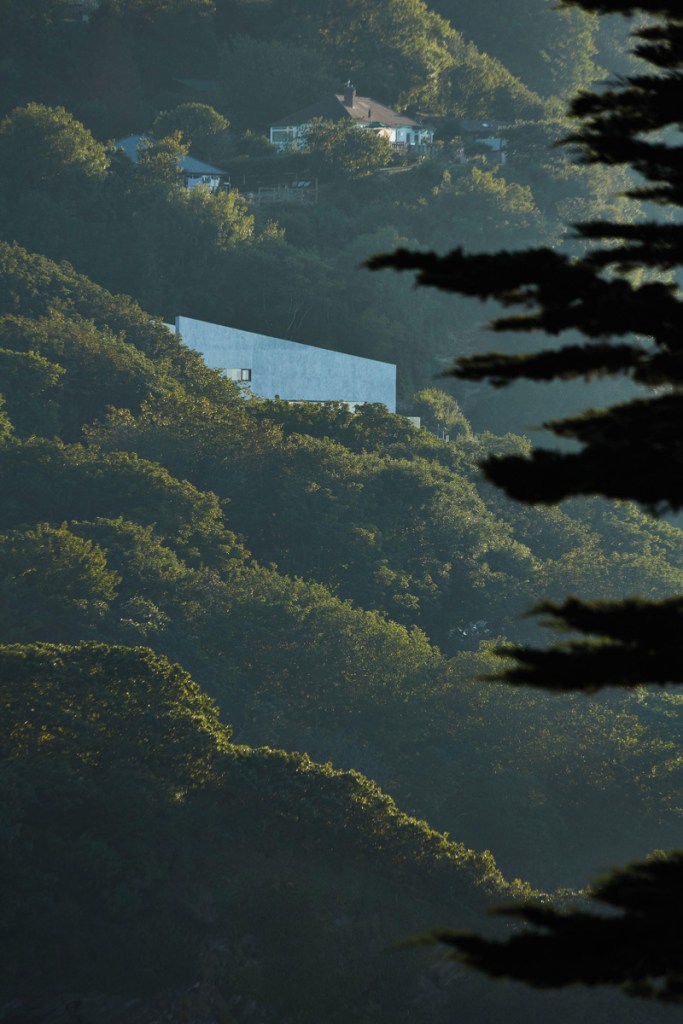
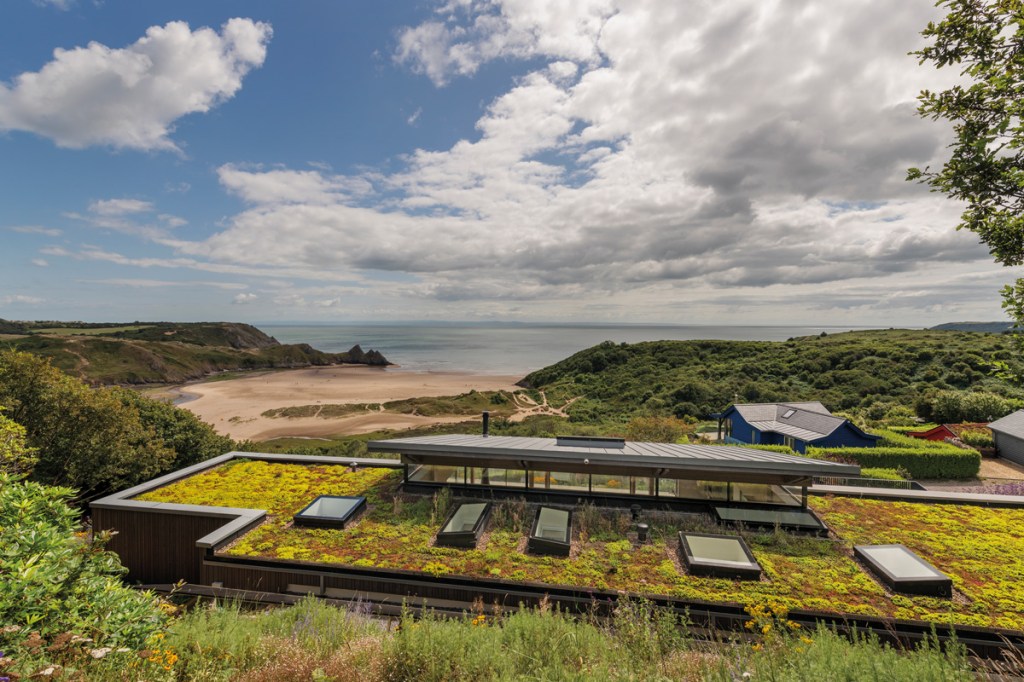
A leading designer of contemporary and traditional timber frame buildings, Roderick James Architects has a varied portfolio of visually striking buildings, including a host of waterside projects. ‘Coastal sites offer remarkable light, views and a daily connection to weather and tide, and the joy of designing here comes from creating buildings that feel truly rooted in that landscape,’ enthuses partner James Lock. ‘We treat the sea as both a design opportunity and a technical challenge, as marine environments are harsher than inland sites, and materials, fixings and detailing need to withstand this.’ The firm’s approach also centres on how a building sits within visually sensitive coastal landscapes – The Lookout subtly integrates with its surroundings, nestling discreetly into the terrain of the Gower Peninsula on the coast of south Wales (rjarchitects.co.uk).
Mattinson Associates
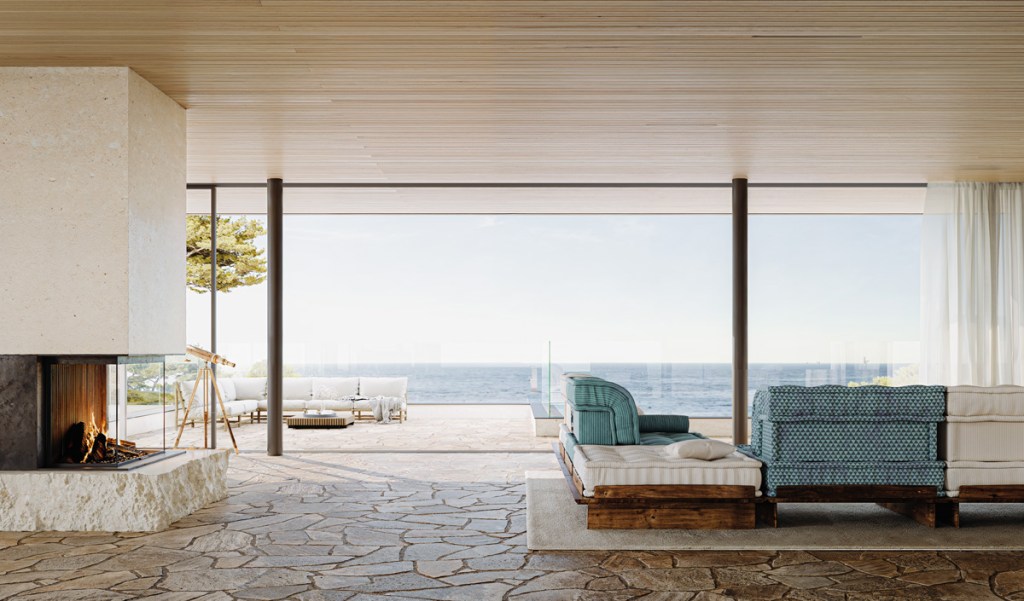
The architects at Mattinson Associates are no strangers to designing coastal homes – as they are based on the Isle of Wight, their portfolio is awash with spectacular sea-adjacent projects. ‘Designing a home by the coast is about far more than capturing a view,’ explains Mattinson’s Abbie Downer. ‘The greatest joy lies in creating a seamless connection between inside and outside living, allowing the residents to fully experience the unique qualities of their surroundings.’ Ocean View is a perfect example; perched on Ventnor’s south-facing cliffs, this Pacific Coast-inspired home feels embedded into the landscape, unfolding down the hillside to reveal gallery-like spaces and panoramic views across the English Channel (mattinsonassociates.com).
Cameron Webster
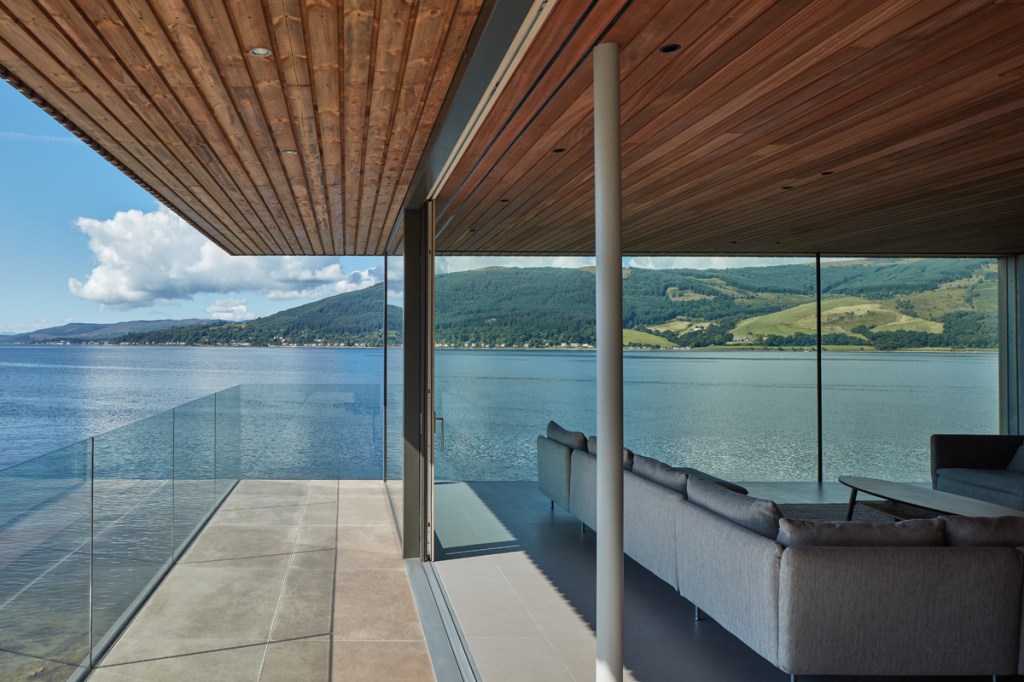
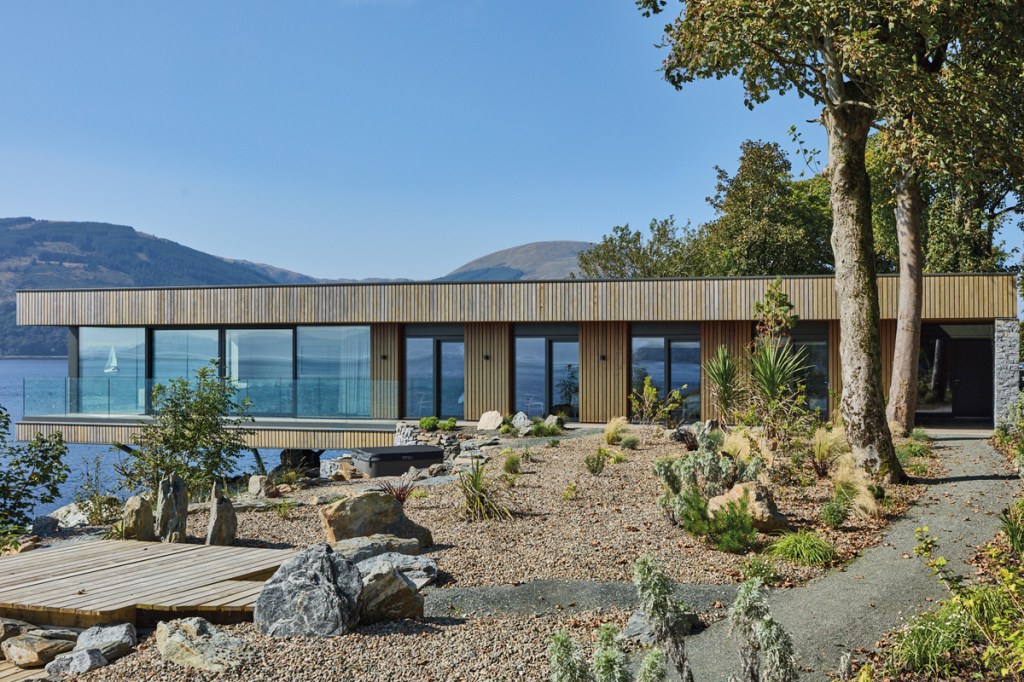
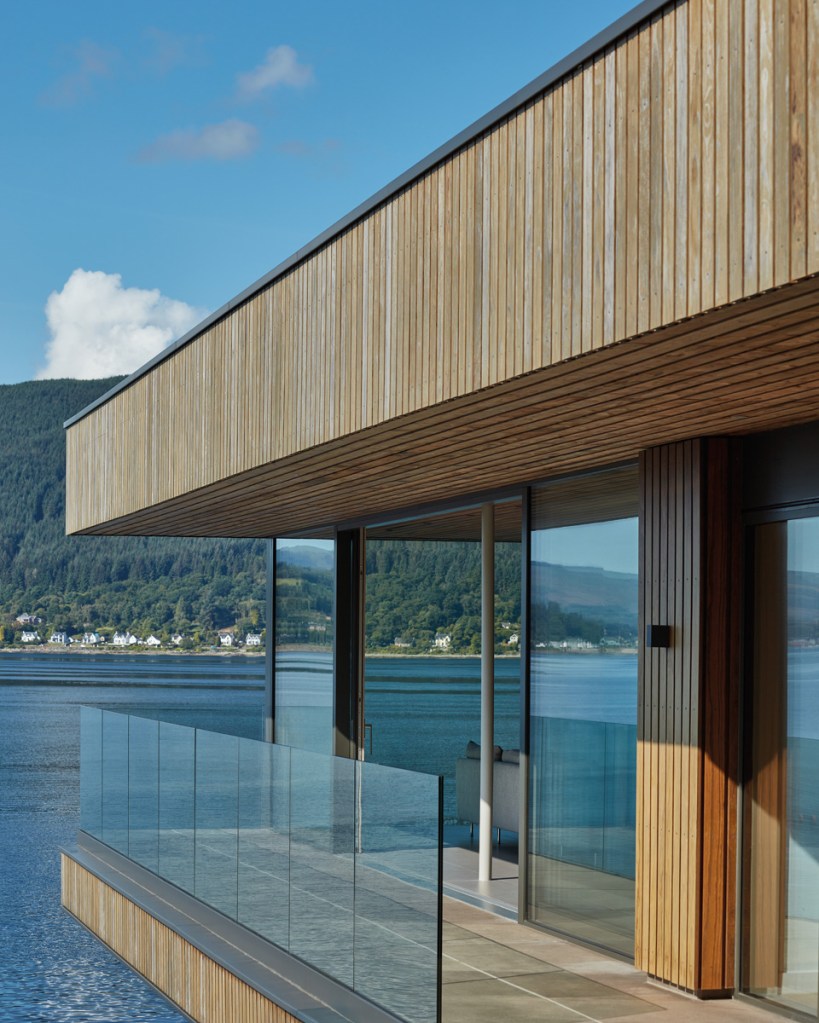
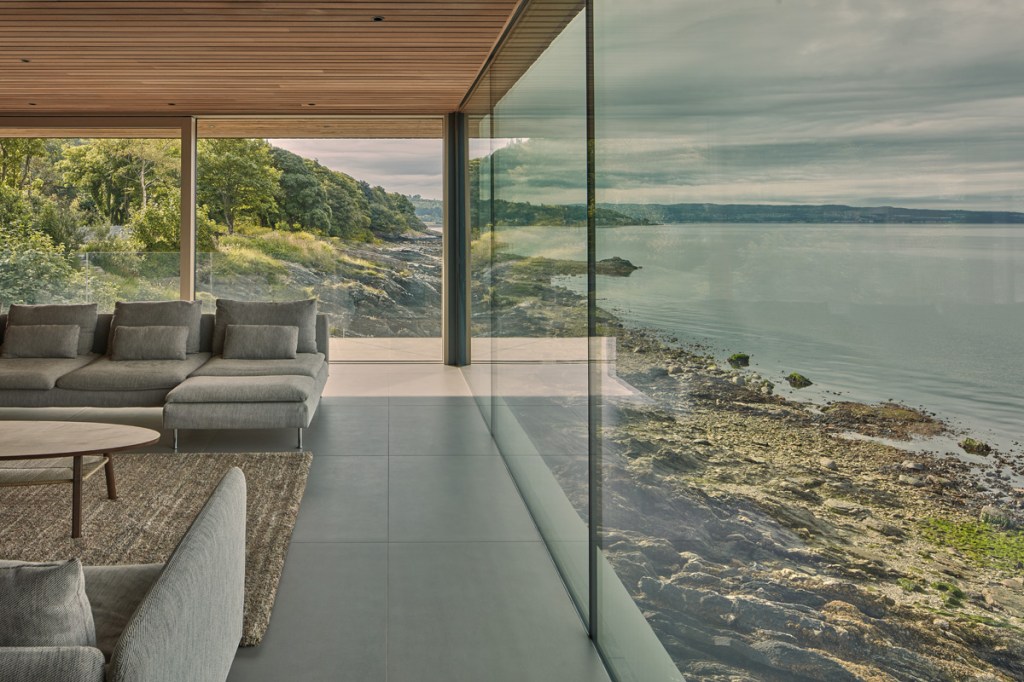
Glasgow-based Cameron Webster Architects has a multitude of awards and a raft of experience to its name, and its team relishes the challenge that comes with designing a home on a coastal site like that of Rock Cove on the Rosneath Peninsula, Argyll and Bute – a striking contemporary house sitting on a rocky promontory above the water, with sweeping panoramas from its glass-fronted façade. ‘One of the joys of working with coastal projects is the unobstructed vistas that can be created,’ enthuses architect Stuart Cameron. ‘The main challenge of designing on sites at the “edge” like this is generally access issues. You’re trying to work on “land” on one side of the building, with large expanses of glass on the other side to maximise the view.’ (cameronwebster.com).
Kast Architects
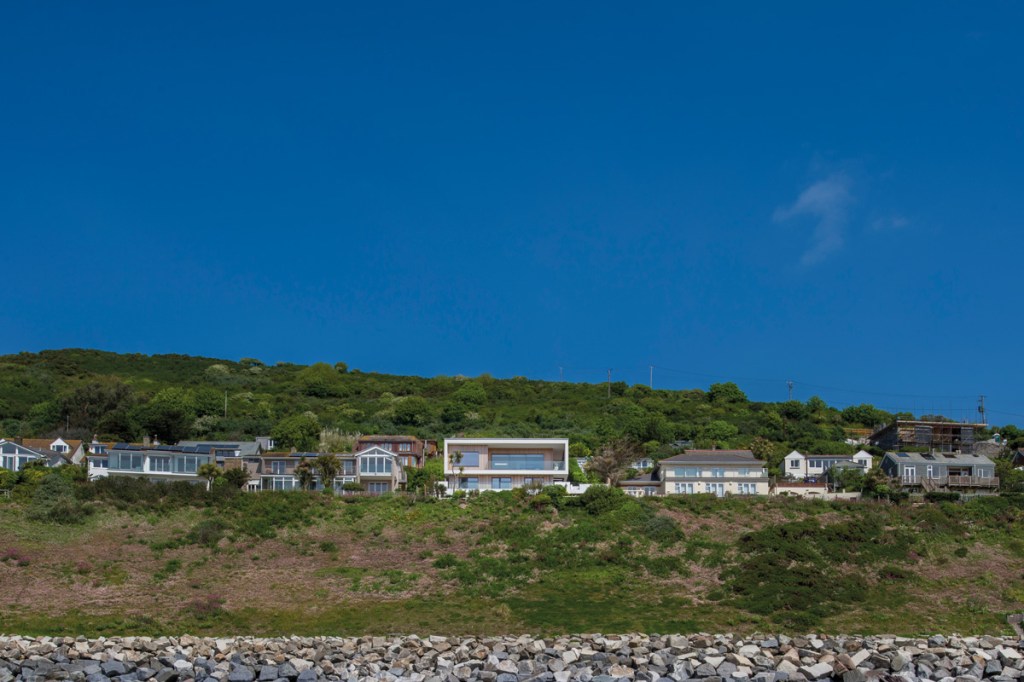
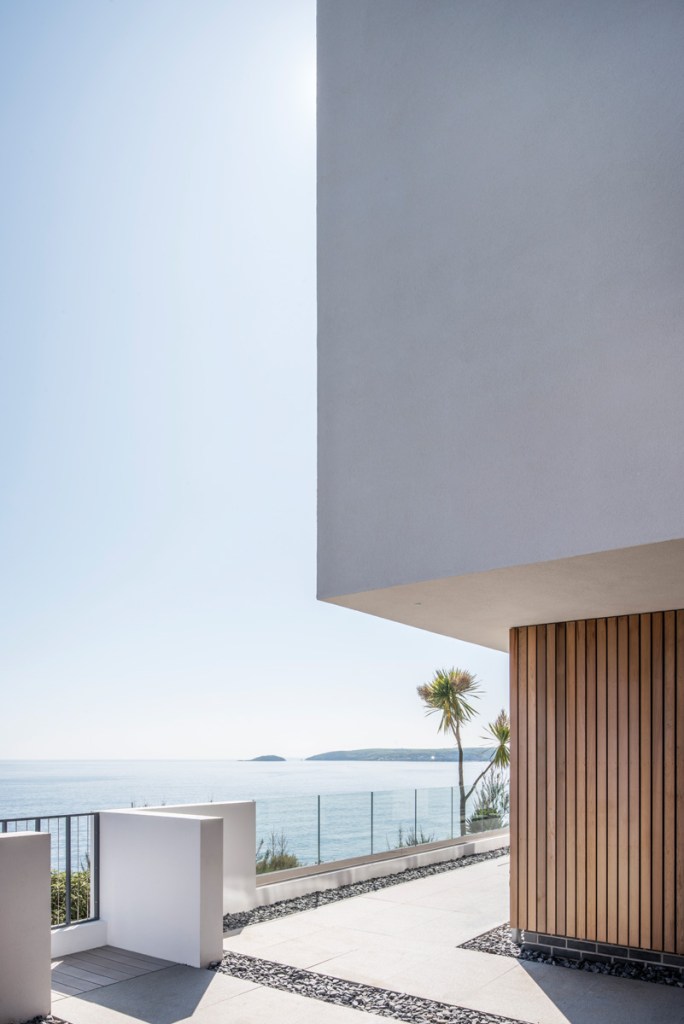
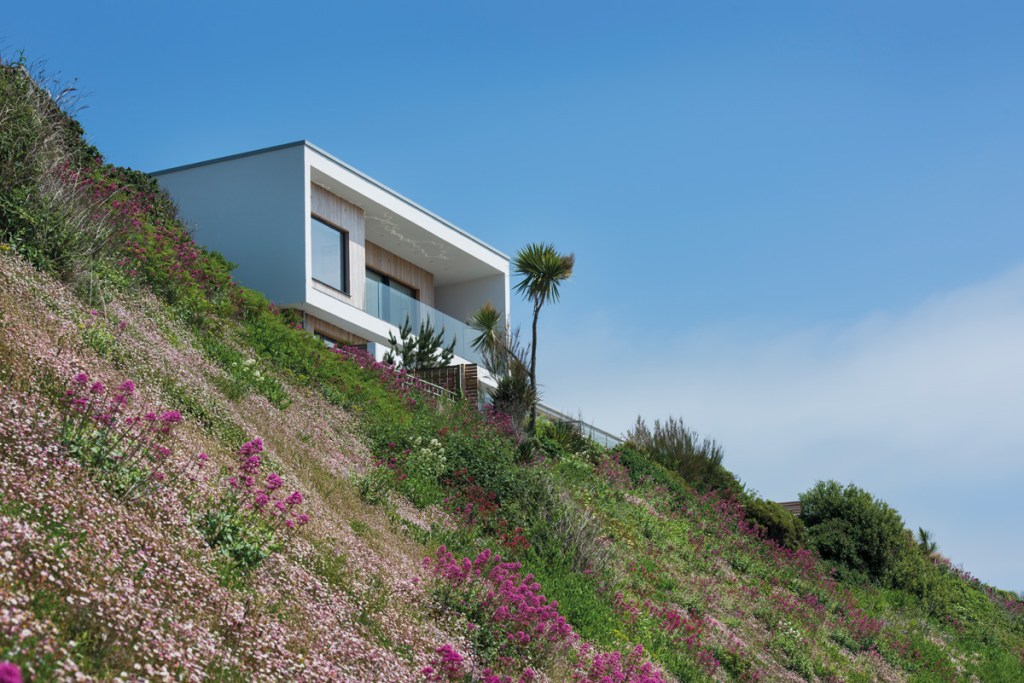
With a focus on contemporary and sustainable projects, Kast Architects in Cornwall has a diverse coastal terrain on its doorstep, which means the firm has had the opportunity to work with every type of site, from rugged cliffs to tranquil estuaries and gentle sea-facing slopes. For each project, success depends on a careful balance: ‘We’re always mindful of the raw power of the elements on exposed coastal sites,’ says Kast’s founding director, Nicholas James. ‘And while our designs focus on the joy of being by the sea, the challenge is to balance beauty with robustness.’ Sea Edge in Downderry is a stunning cliffside example of Kast’s work, where incredible sea views, exquisite design and day-to-day practicality blend perfectly (kastarchitects.com).
Helyer Davies Architects
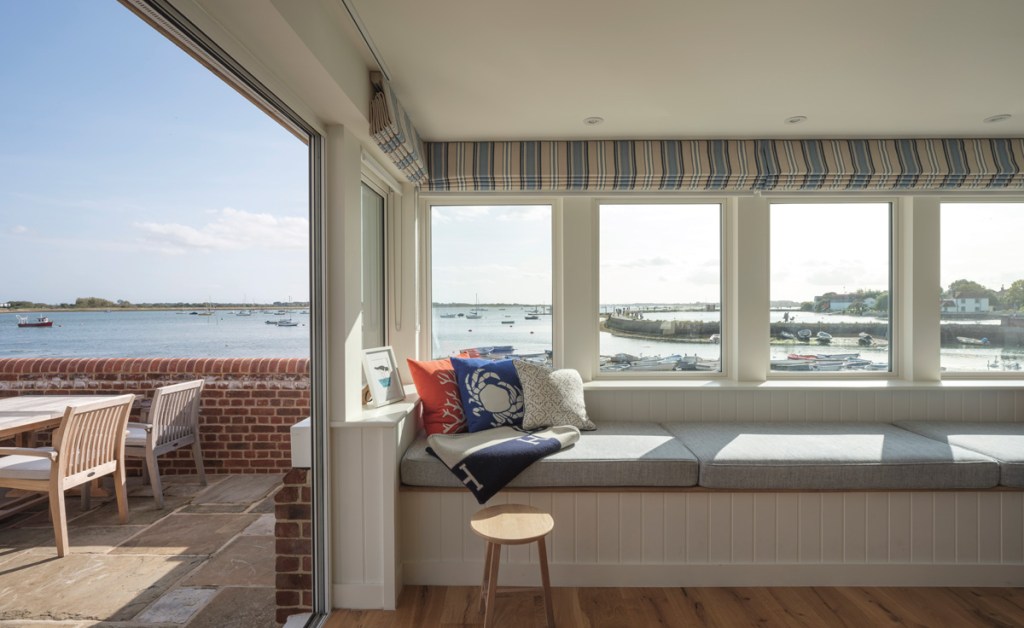
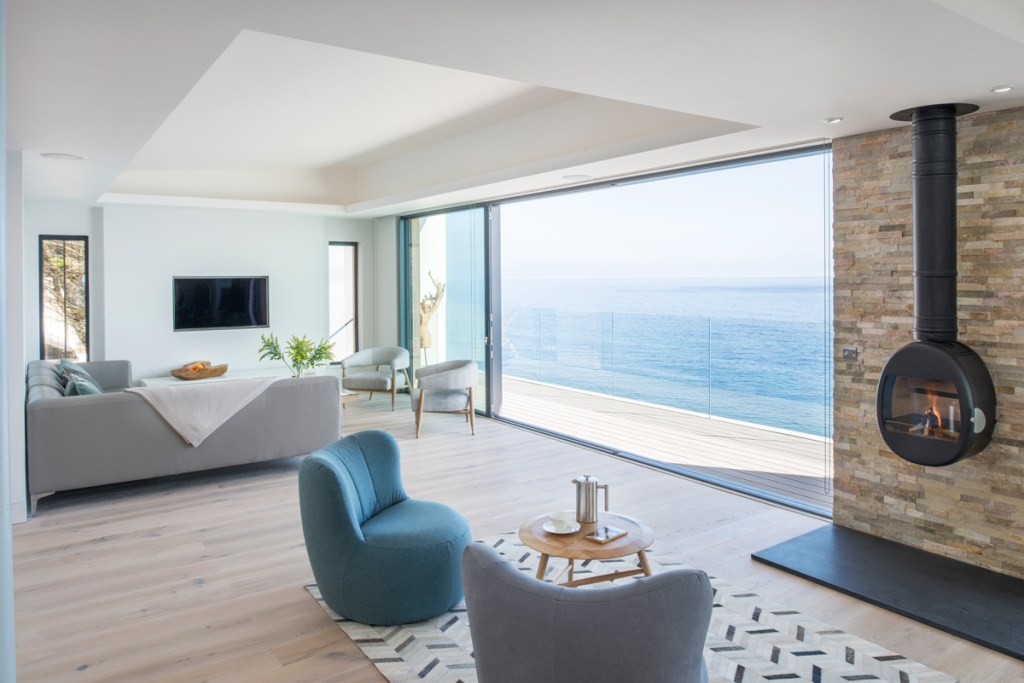
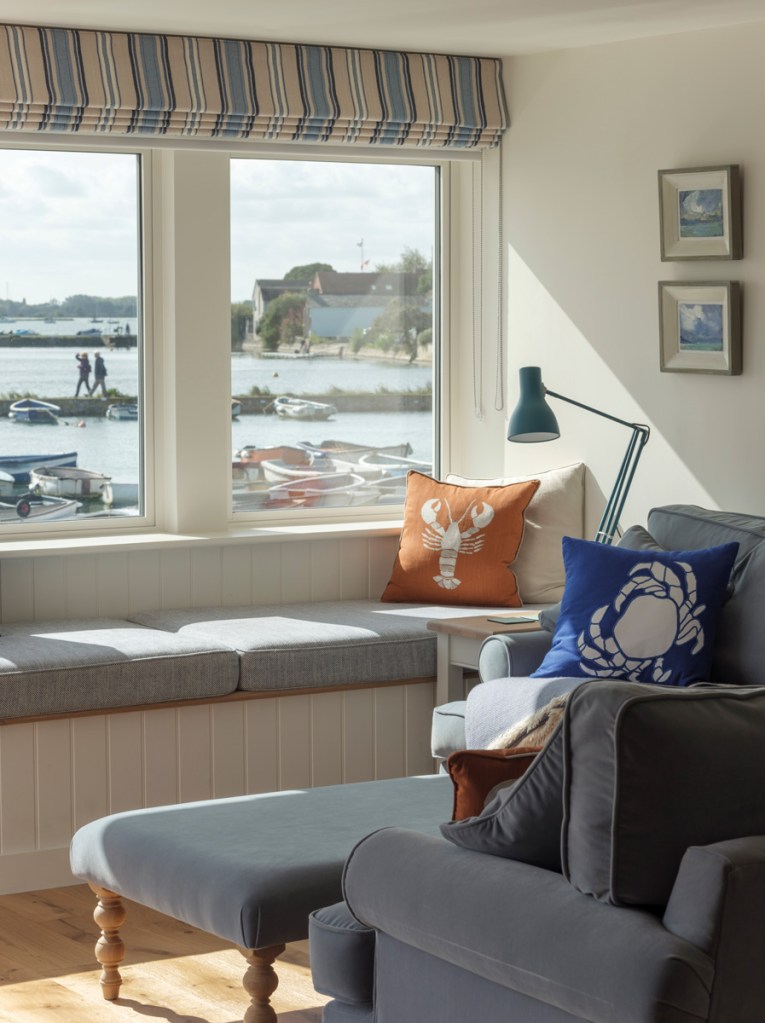
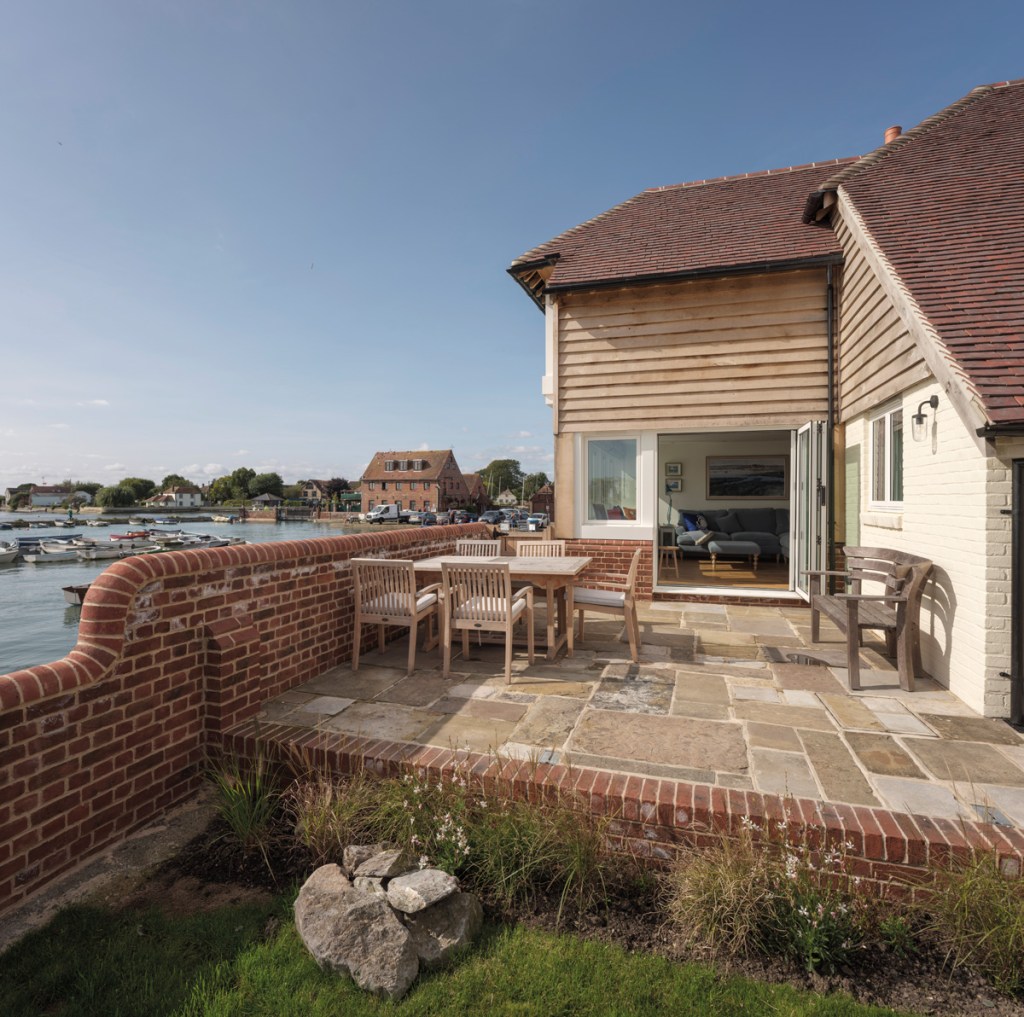
Taking on everything from historic restorations to contemporary installations, the team at Helyer Davies relishes an opportunity to get stuck into a seaside project. ‘Designing in coastal environments is greatly rewarding despite the challenges these sites can present, such as salt air, high winds and uncertain ground conditions,’ says director Daniel Masterman. ‘The changes in lighting, views and atmosphere also seem amplified when you’re by the water. We spend a lot of time looking to generate the best views possible, but more subtle considerations, such as the sound of the waves, also create a subconscious sense of place for our clients, which is something we strive to tap into.’ The company’s renovation of The Winkleshed in Hampshire sensitively enhanced the existing dwelling while maximising the site’s waterside potential (hdarchitects.co.uk).
Dualchas
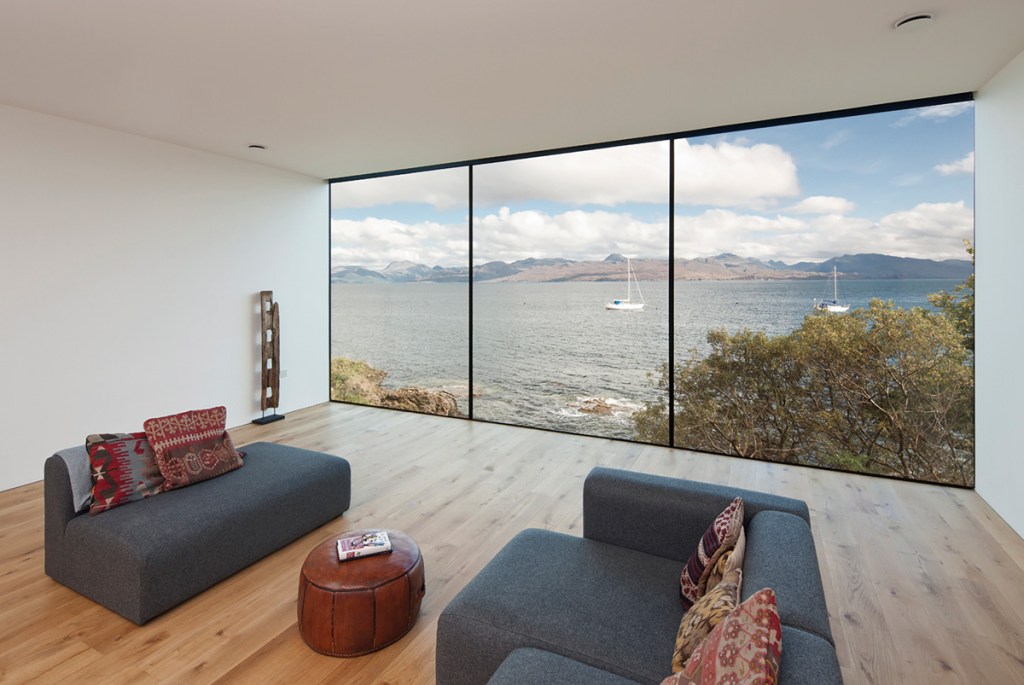
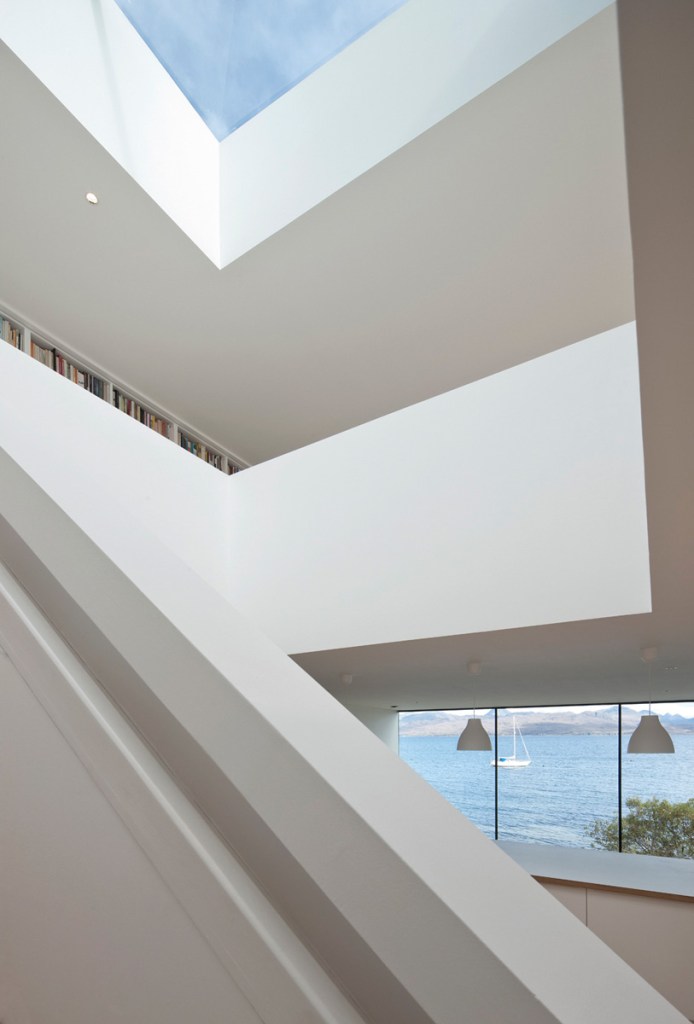
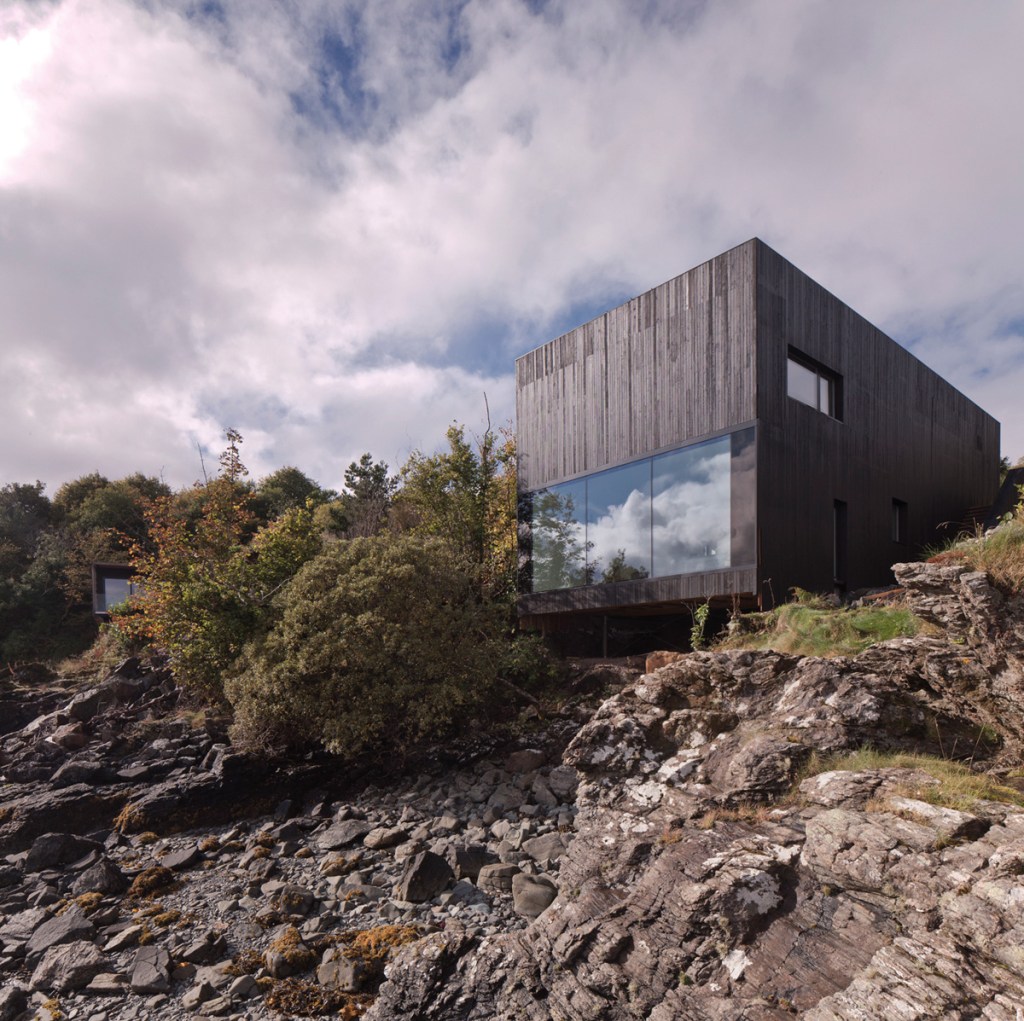
Dualchas was founded from a desire to create architecture inspired by the culture and landscapes of the Scottish Highlands, and its projects are based on a connection to both past and place. The firm’s coastal builds have a sense of oneness with the natural environment – as in The Black House on Skye, which sits above the water within a natural cleft in the rock. Its two-storey glazed gable is cantilevered dramatically over the foreshore, yet from behind it appears to be a modest single-storey building. ‘The joy of working on coastal projects like this is in making robust structures that can deal with brutal weather conditions, while also possessing a poetic nature, allowing the owners to fully connect to their context,’ says Rory Flyn,
director at Dualchas (dualchas.com).
Heb Homes
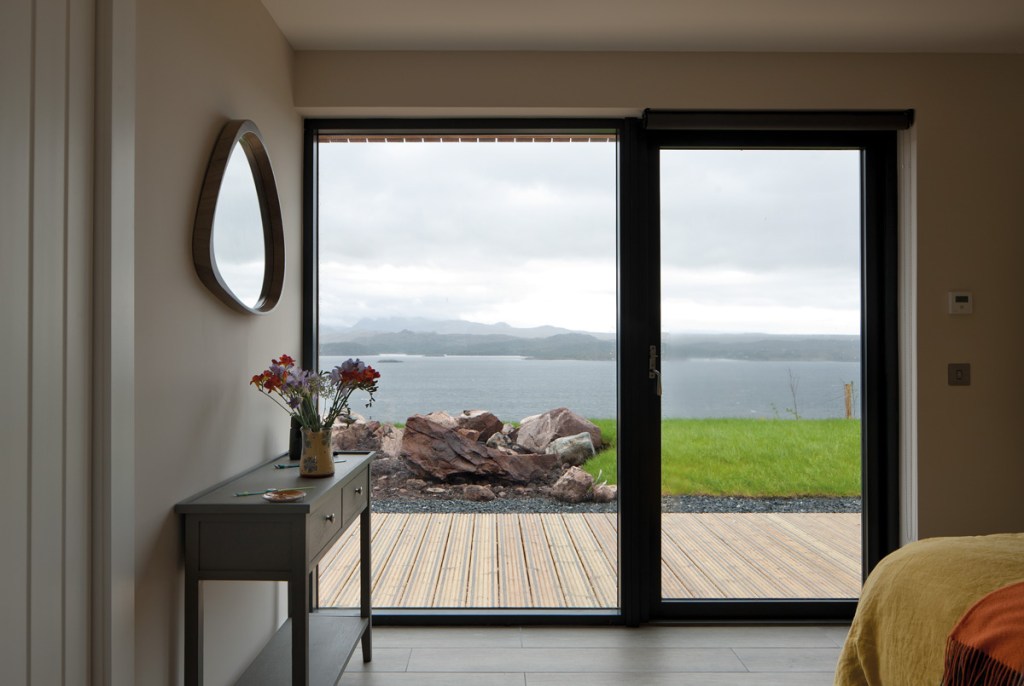
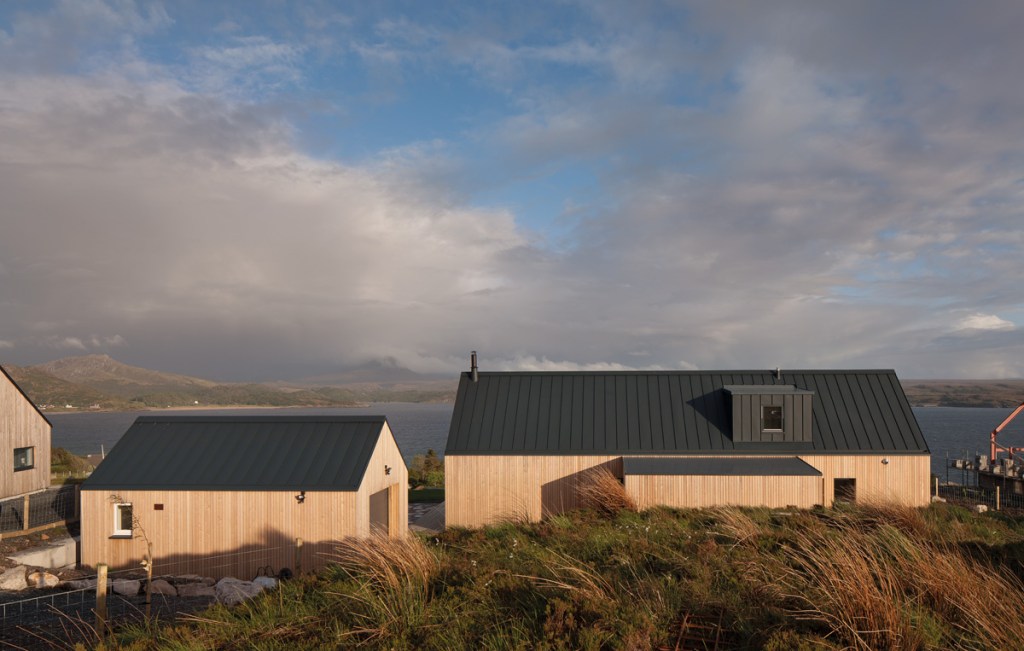
Fraser Stewart of Heb Homes loves a waterside design. ‘Coastal sites often offer spectacular views, changing light, dramatic weather and a strong connection to the landscape,’ he says. And although every site is different, certain considerations tend to be relevant for most coastal projects. ‘They require particular attention to orientation, shelter, materials and detailing,’ explains Fraser. ‘We consider how a building sits within the landscape, how it responds to prevailing winds and how to maximise natural light and views without compromising comfort. For materials, we favour those that perform well in harsh coastal environments and complement the character of the surrounding landscape.’ In Gairloch in Wester Ross, larch cladding echoes the natural environment while a corner window maximises the mountain views (hebhomes.com).
OB Architecture
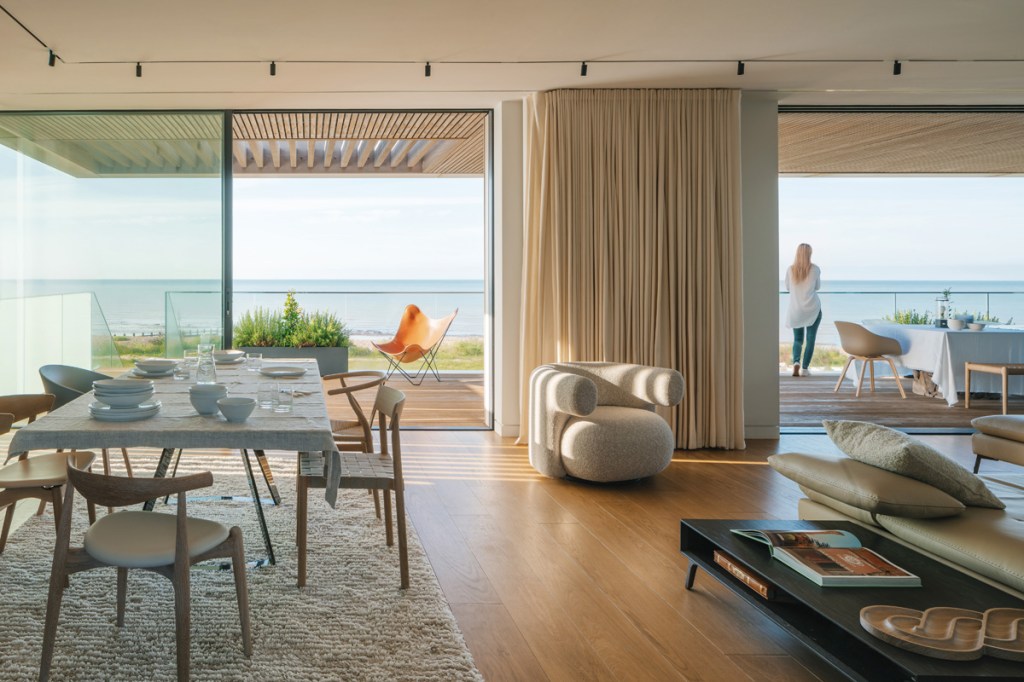
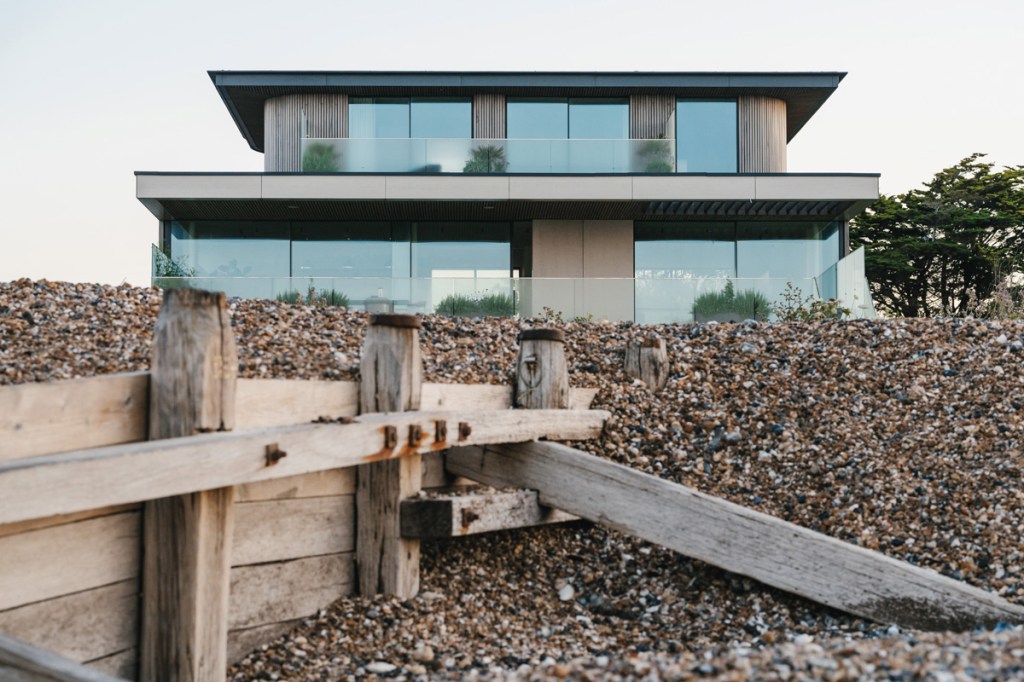
‘Coastal environments offer endless inspiration for modern architectural concepts that seamlessly blend with nature while addressing the unique challenges of these dynamic landscapes,’ says Dan Pyzer-Knapp of OB Architecture. ‘These dynamic environments necessitate architecture that can adapt to changing conditions, so we strive to design structures with the flexibility to respond to potential challenges, such as rising sea levels or natural forces.’ In addition, OB Architecture’s coastal buildings work harmoniously with their surroundings, striving to blur the boundaries between indoor and outdoor living. Beach House in West Sussex is designed to create a sense of intimacy during the winter months while opening out
to embrace the outdoors in summer (obarchitecture.co.uk).
RX Architects
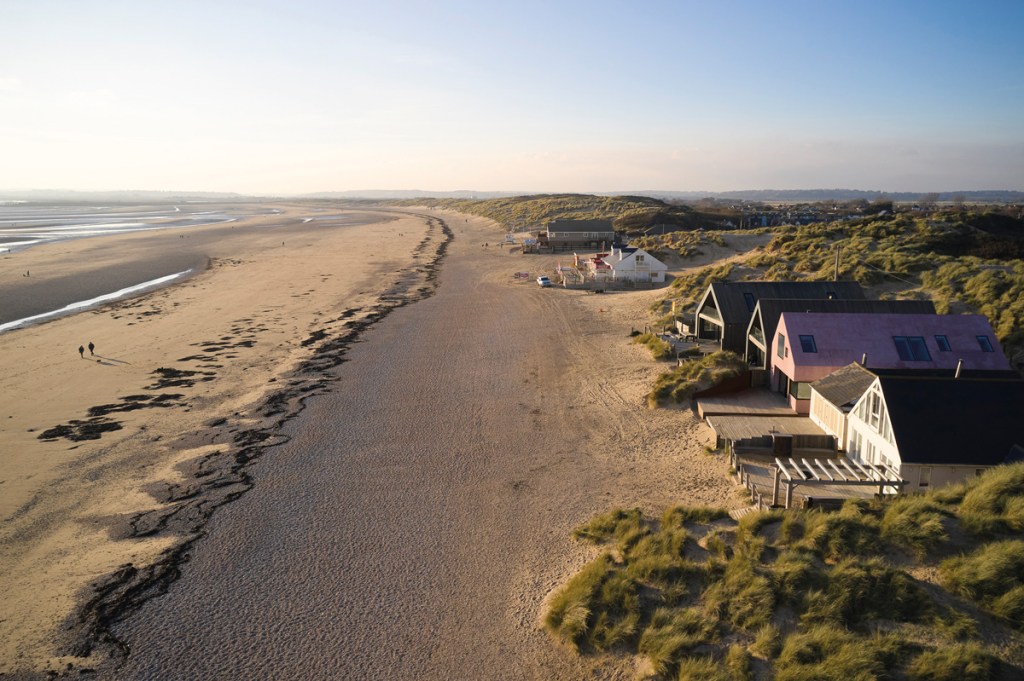
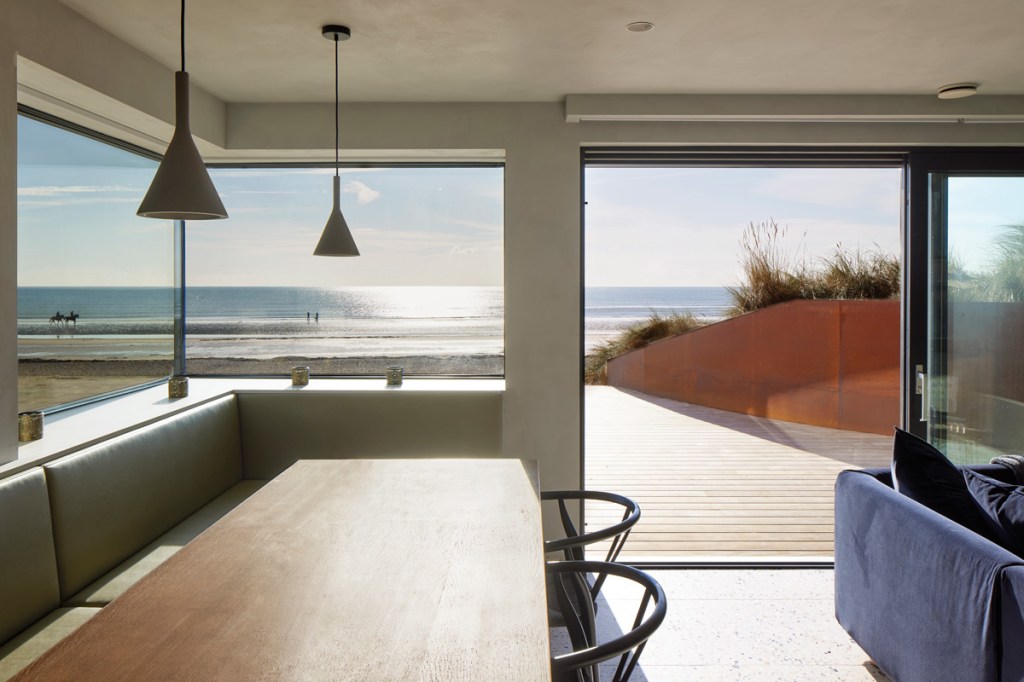
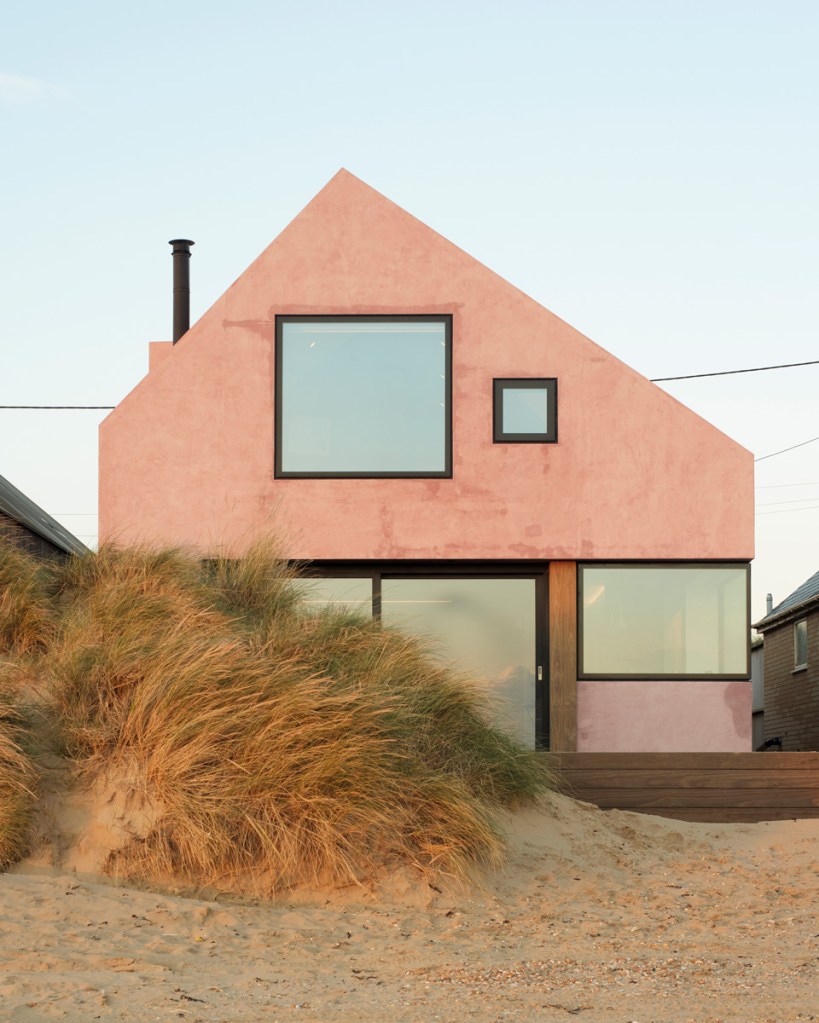
For architects Derek Rankin and Rob Pollard, the coastline of Rye Bay is more than a backdrop to their work; it has shaped the identity of their practice from the start, right down to the name – RX being the historic fishing registration code carried by boats from Rye and Hastings. The company’s ethos is rooted in the belief that good architecture begins with understanding where it belongs – and Seabreeze, set on the beach at Camber Sands in East Sussex, is a beautiful example. Its expansive seafront elevation embraces the openness of the landscape, and it fits into its surroundings with elegant ease, finished in trowelled microfibre concrete with a pink pigment reminiscent of plastered Mediterranean beach houses, its tone constantly shifting with the light (rxarchitects.com).
Guy Greenfield Architects
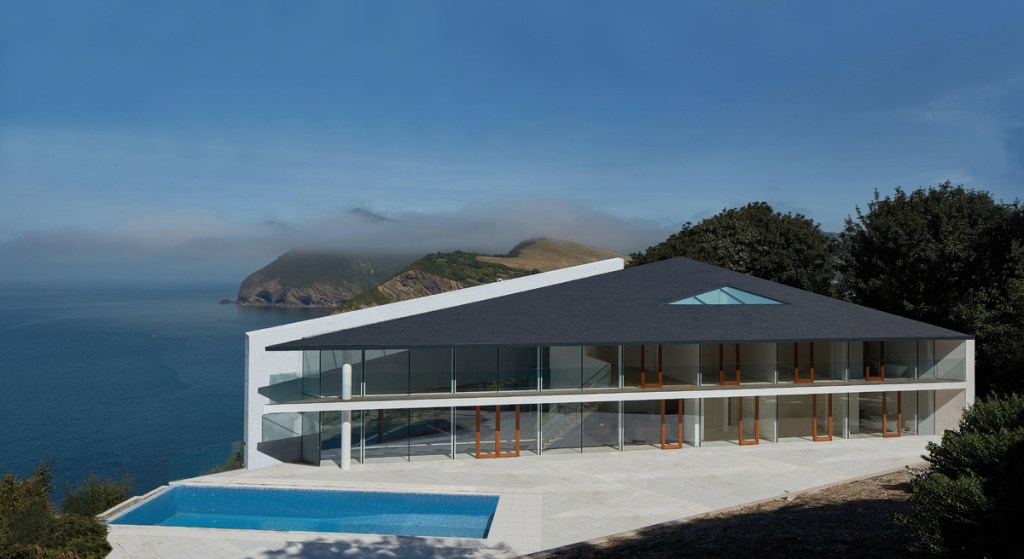
‘Visually, the sea makes a wonderful backdrop to buildings,’ enthuses Guy Greenfield. His practice has worked on coastal buildings of all sizes, and he enjoys the scope these locations provide for designing visually interesting structures, like Stealth House in Combe Martin, Devon. The house isn’t easily visible from anywhere except the sea and has the dual appeal of a private location and monumental views, coupling a sturdy, element-proof structure with an eye for the beauty of its situation: ‘A full-height north-facing rendered wall protects the house from inclement winter weather, like a metaphoric shield,’ Guy explains. ‘Meanwhile, in summer, the infinity edge swimming pool, positioned to run up to the edge of the cliff, makes the most of the sensational coastal view’ (guygreenfield.co.uk).