
Traditional craftsmanship is thriving in Pembrokeshire. Louise Clarke, director at Melin Tregwynt, shares the story of how this once family-owned business has survived by becoming a trust owned by its employees
Interview: Susie Atkinson
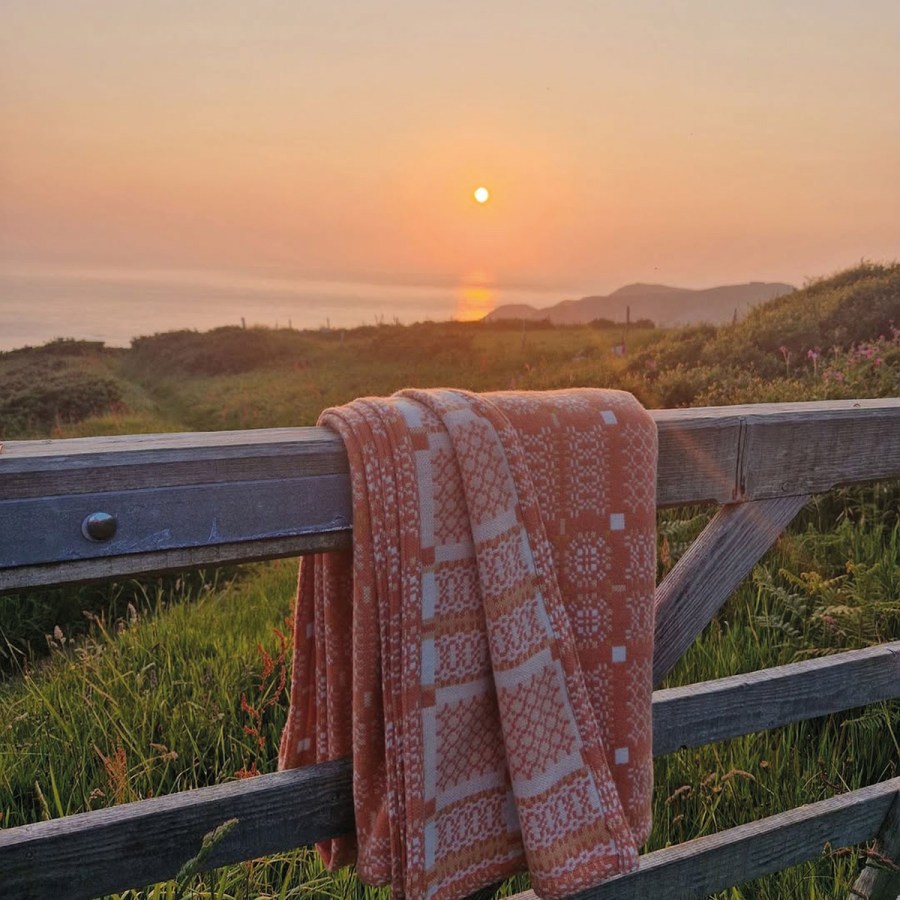
If you stand outside our mill in Pembrokeshire first thing in the morning, you can usually set the tone of your day by looking towards the sea. Some days, the wind comes straight in off the Atlantic, and it certainly wakes you up! Other mornings, it’s calm, with a soft light sitting over the fields between us and the beach, and you find yourself set up for a good, productive day. The coast is less than a mile from the door, and it shapes our working lives more than people might expect.
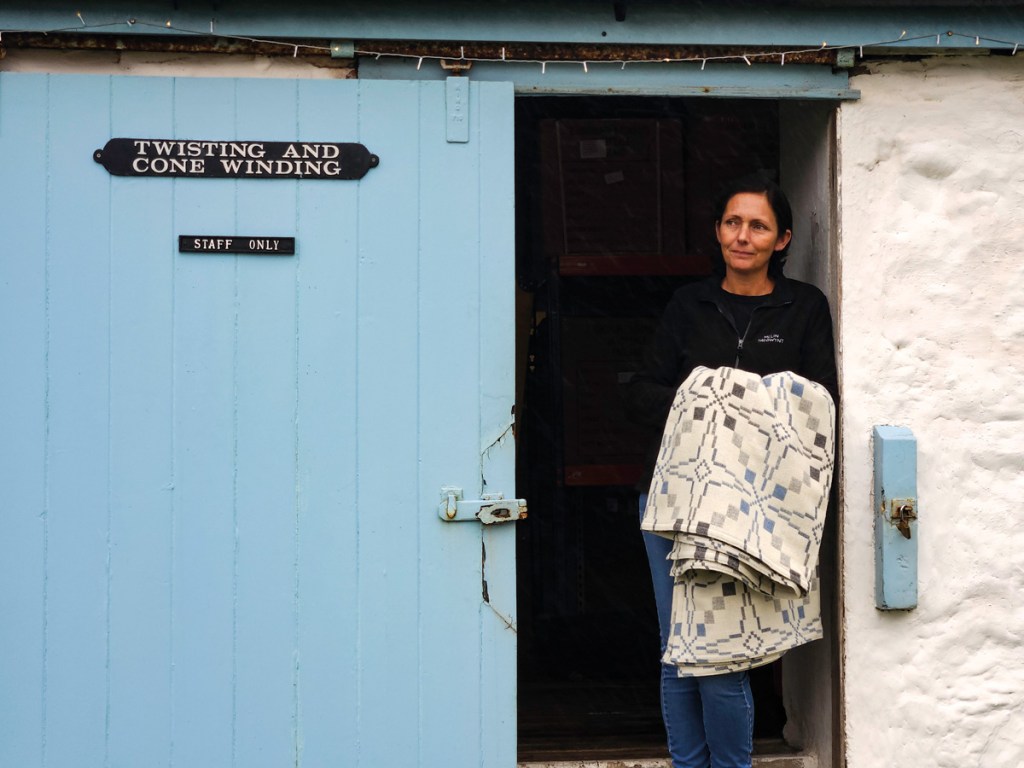
I work at Melin Tregwynt, a historic Welsh woollen mill in Pembrokeshire that has been weaving blankets and fabrics on the same site since at least 1841. I’ve only worked here for 13 years, but I still notice how closely the mill is tied to its surroundings. Walkers come in straight off the Pembrokeshire Coast Path for a coffee. Families call in after a morning on the beach. Staff head down to the sea at lunchtime or after work. The mill doesn’t sit apart from coastal life here – it’s part of it.
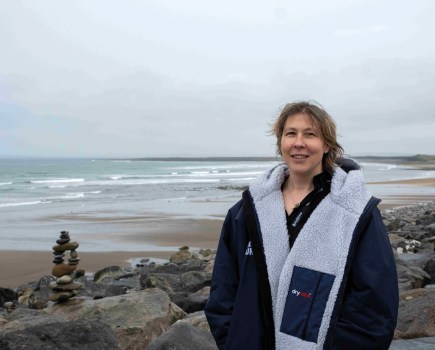
I didn’t come here planning to run one of the country’s oldest working woollen mills. I arrived to manage the shop and café, looking for a solid local job. Over time, I moved into retail management, then senior management, and now I’m the only director on the operating board, effectively acting as managing director. Like many people in rural businesses, I wear a lot of hats.
TWO CENTURIES OF WEAVING
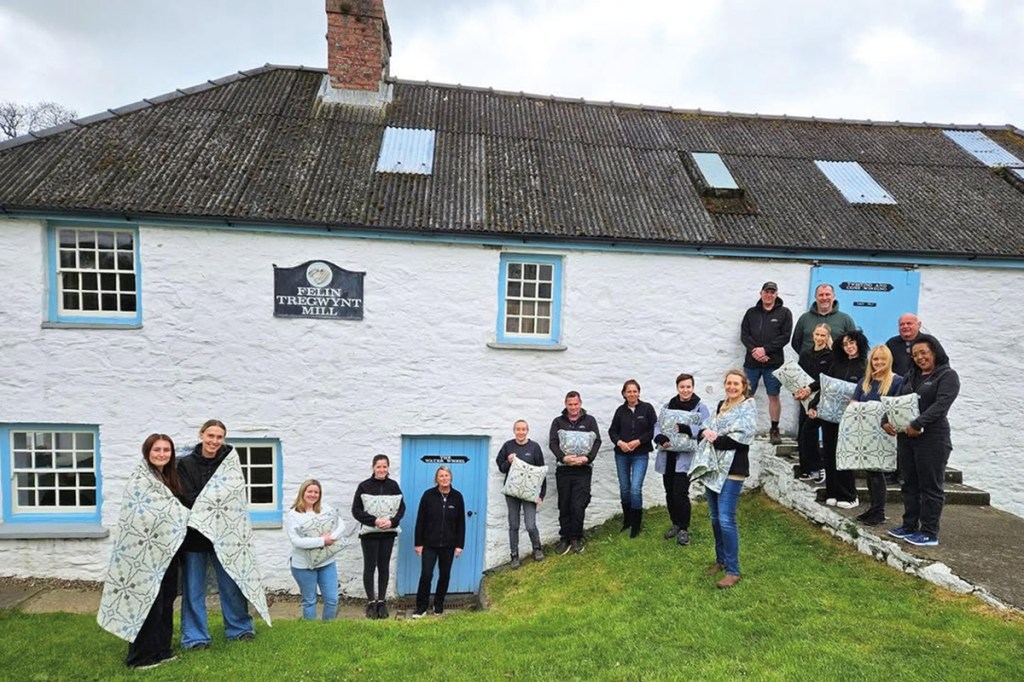
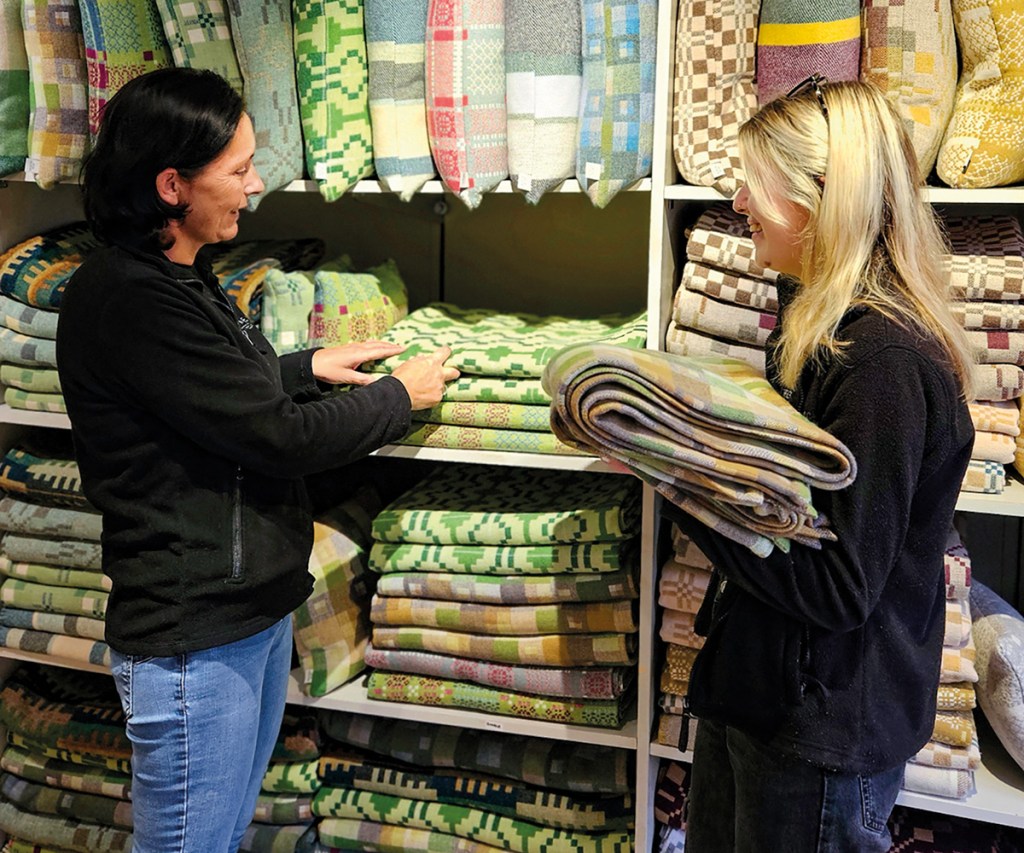
The mill itself has been weaving on this same site for nearly 200 years. Through wars, economic downturns and huge changes in the textile industry, the looms have kept working. Today, we employ over 40 local people, making us one of the largest employers in the immediate area. In a coastal rural community like this, stable employment is vital.
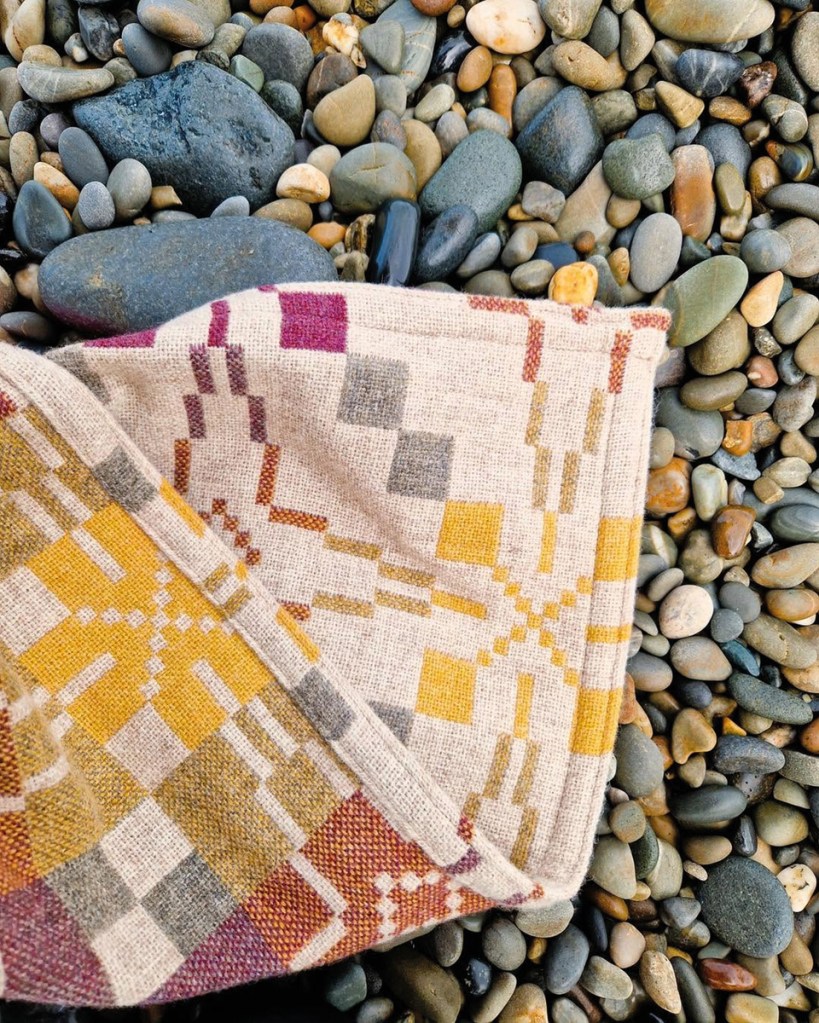
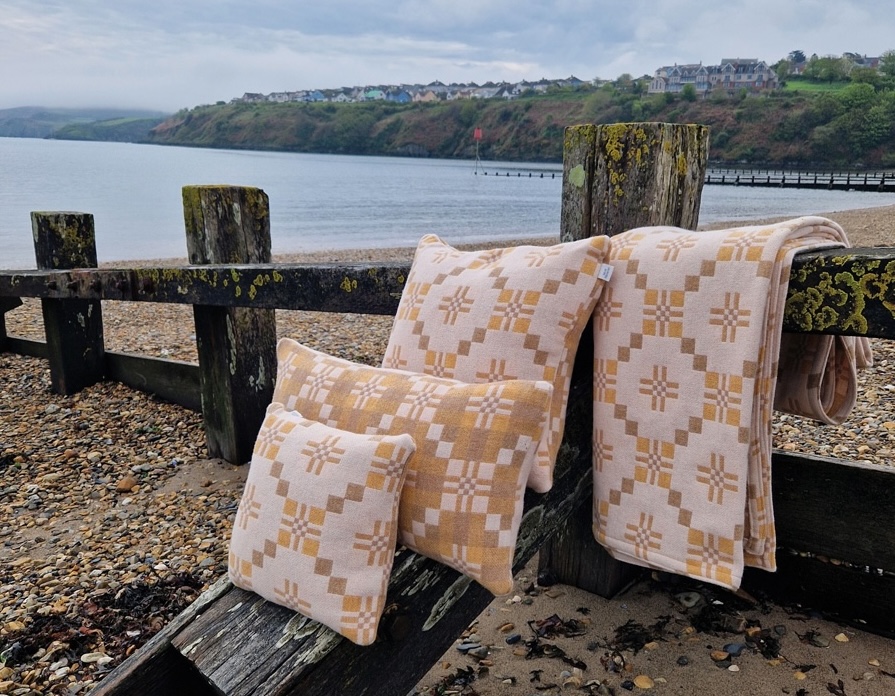
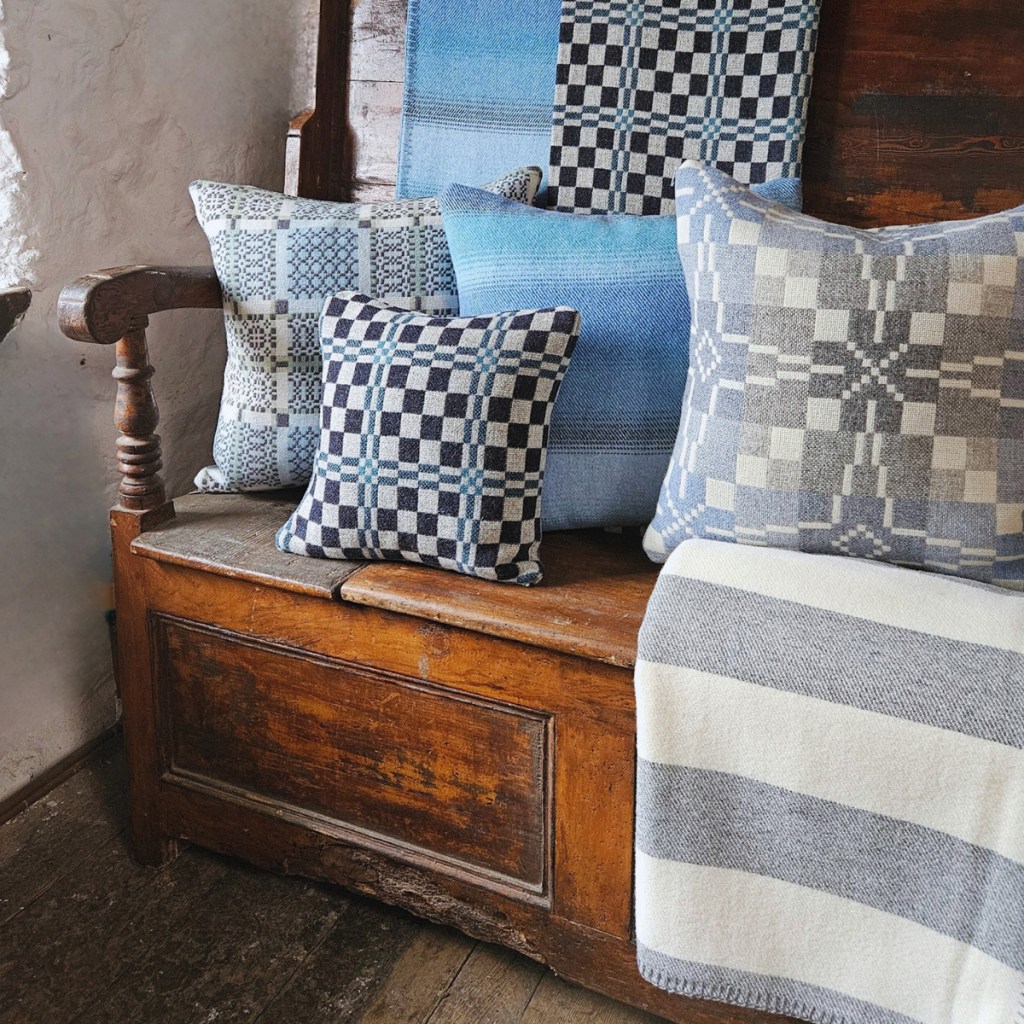
We are only a few miles from the sea, and it has always influenced what we do. The colours of our blankets often reflect the local landscape – blues inspired by sheltered coves, greys that echo pebble beaches, softer neutrals drawn from sand and stone. Many of our designs come from the mill’s long history, created by the founding family decades ago, but we regularly reinterpret them through new coastal colourways that feel rooted in Pembrokeshire.
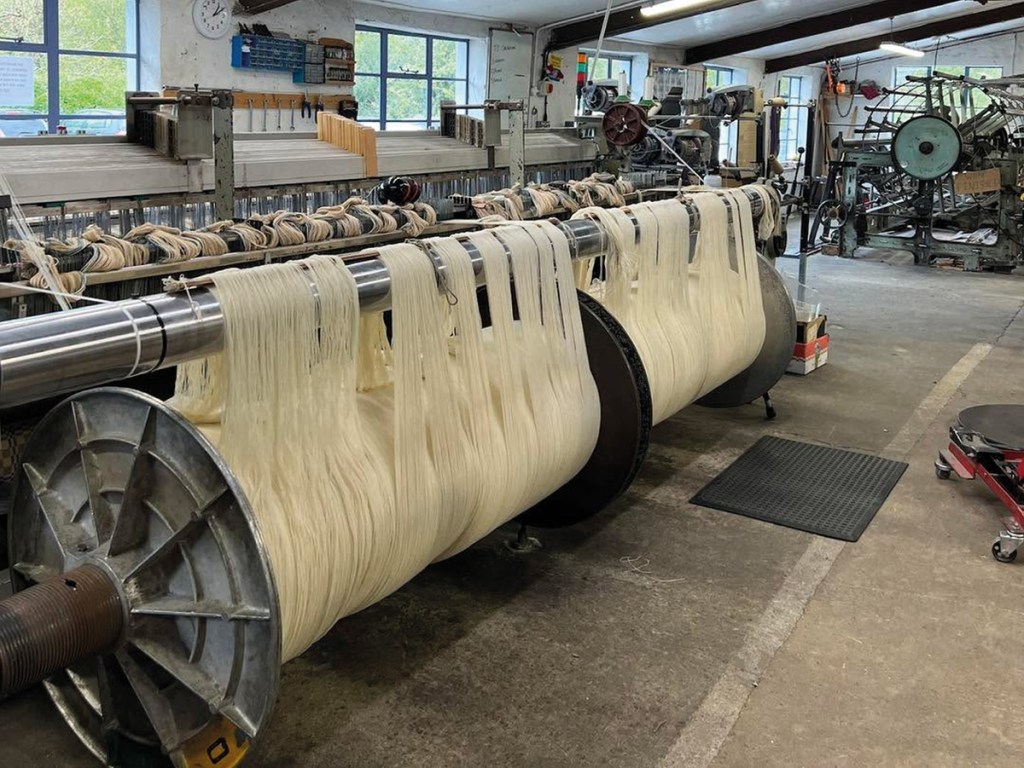
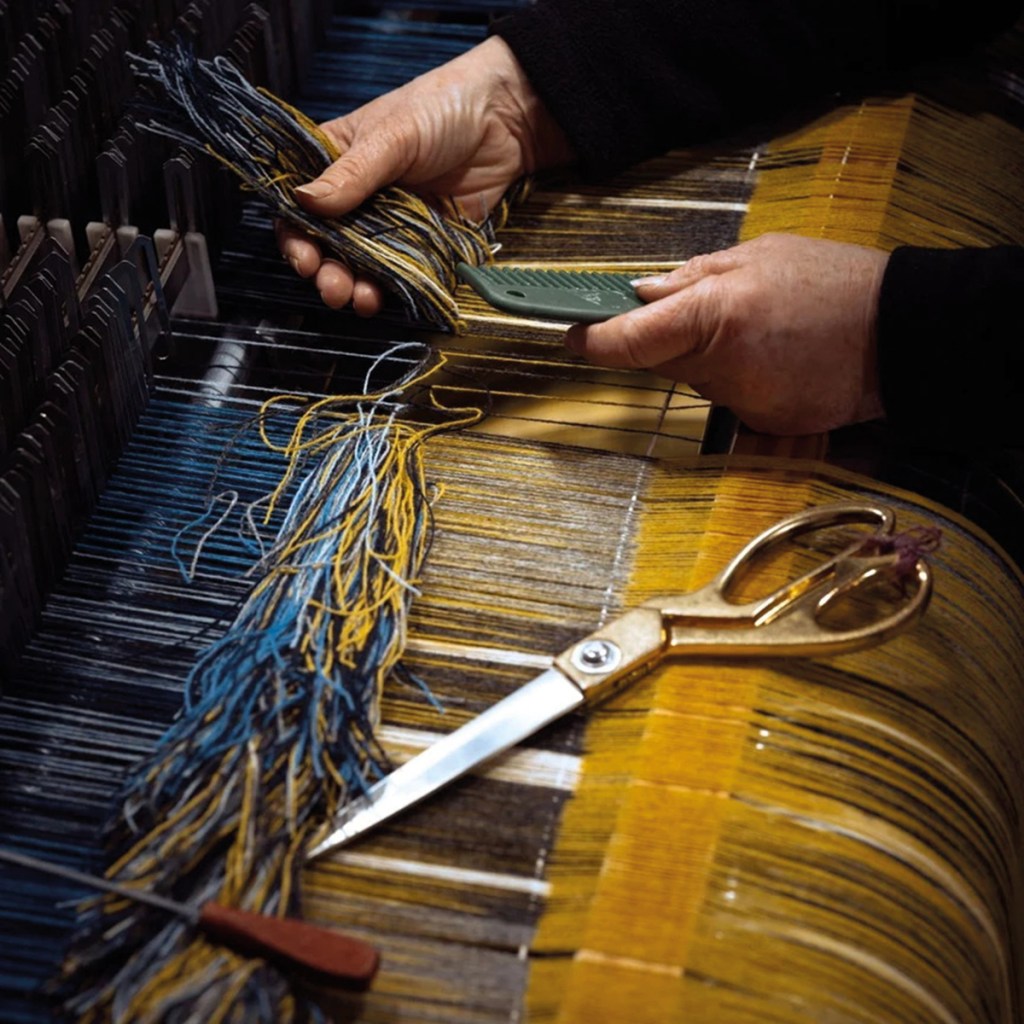
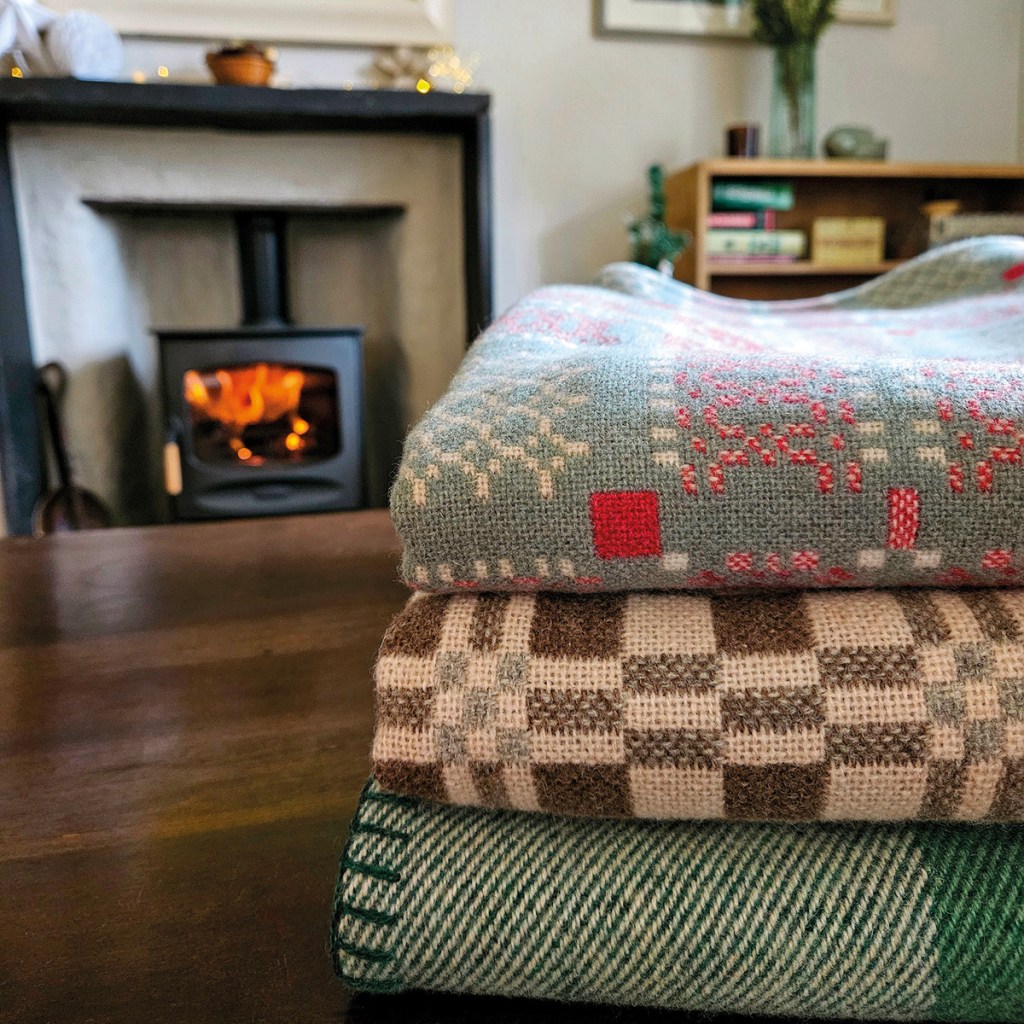
Visitors are often surprised by how much of our process is still done by hand. We do use modern machinery where it makes sense, but the core of traditional Welsh blanket weaving hasn’t changed much. Preparing the warp, the foundation of the fabric, is still done using a warping wheel that is over a century old. Every thread is counted and placed by eye. When the warp is tied onto the loom, each individual thread is knotted by hand.

PASSING ON KNOWLEDGE
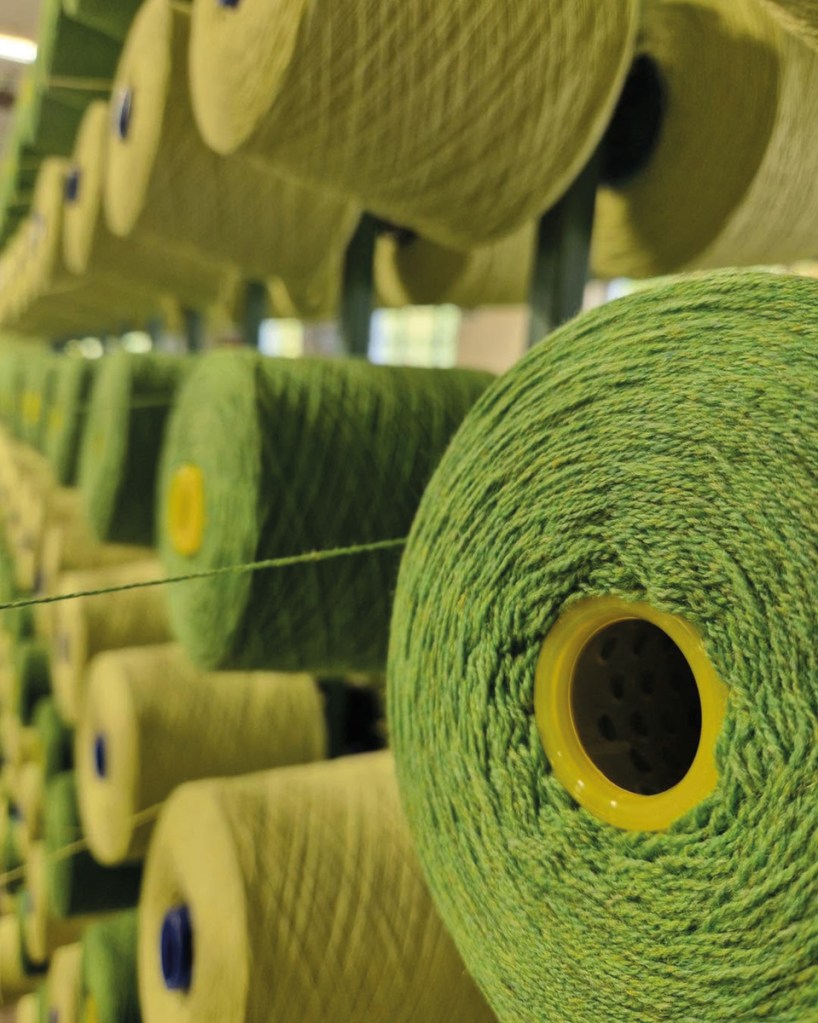
Those skills can’t be replaced or rushed. From the moment wool arrives at the mill, it can take six to eight weeks before a finished blanket is ready. People only really understand that when they walk through the mill and see how many hands are involved. What looks like a simple blanket is actually the result of careful, skilled work carried out over time.
Keeping those skills alive is central to our purpose. Many of our staff have worked here for decades, and passing knowledge from one generation to the next is essential. That commitment to long-term thinking is one reason the business became employee-owned
a few years ago.
After more than a century of family ownership, the previous owners wanted to secure the future of the mill without selling it on the open market. Transferring the company into an Employee Ownership Trust meant the business could stay rooted here, owned collectively by the people who work in it. Staff have a voice in decision-making and benefit directly from the mill’s success, but, just as importantly, the structure protects the mill as a working entity, not just a brand.
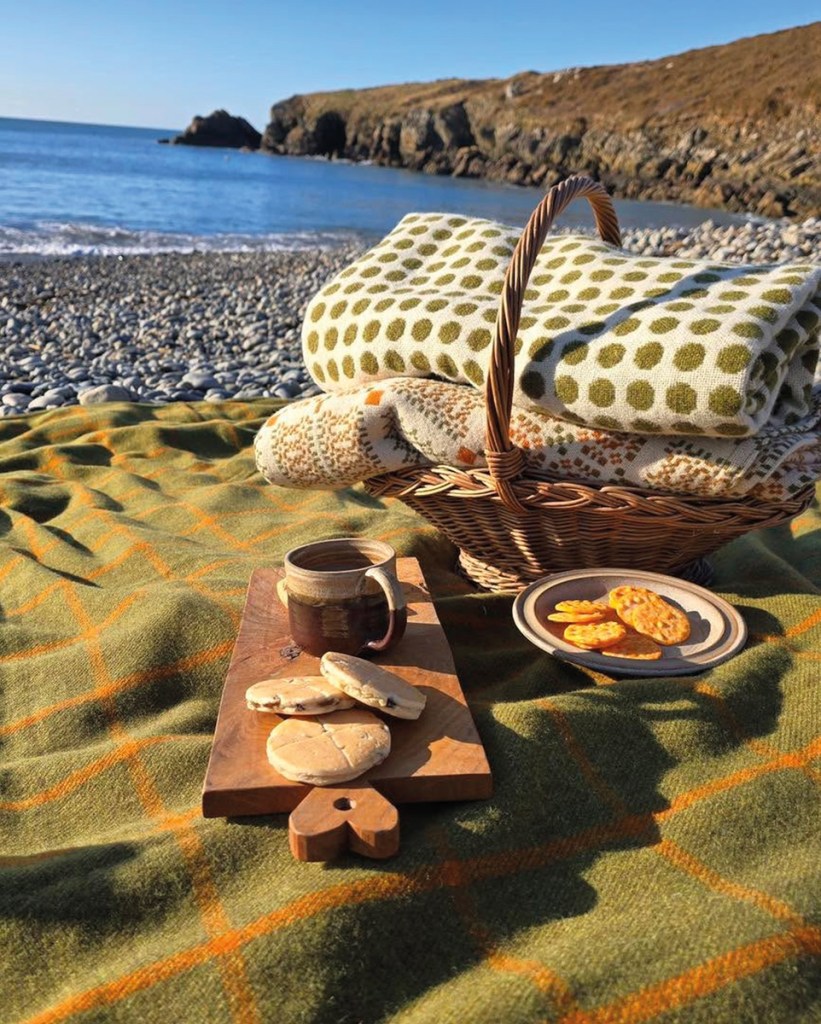
Living and working so close to the sea shapes how you think about sustainability. Coastal communities understand the importance of taking care: of resources, of people, of place. We see that reflected in changing customer habits, too. More people, particularly younger customers, are choosing to invest in something well-made and long-lasting rather than buying cheap and replacing it frequently. Our blankets are bought with the intention of being used for years, even generations.
MY COASTAL CONNECTIONS
Personally, my connection to the coast runs deep. I’ve lived in Pembrokeshire all my life. My husband was a crab and lobster fisherman, and our children grew up on these beaches. That everyday relationship with the sea, with its moods and seasons, feeds into how I think about work and responsibility. You learn quickly that you can’t rush nature, and the same applies to craft.
Community is another strand that runs through all we do. We support local projects and charities, work with nearby suppliers and try to keep our impact local. We may collaborate on a limited-edition blanket inspired by the landscape, or contribute to regional causes. It’s about being part of the area, not just operating within it.
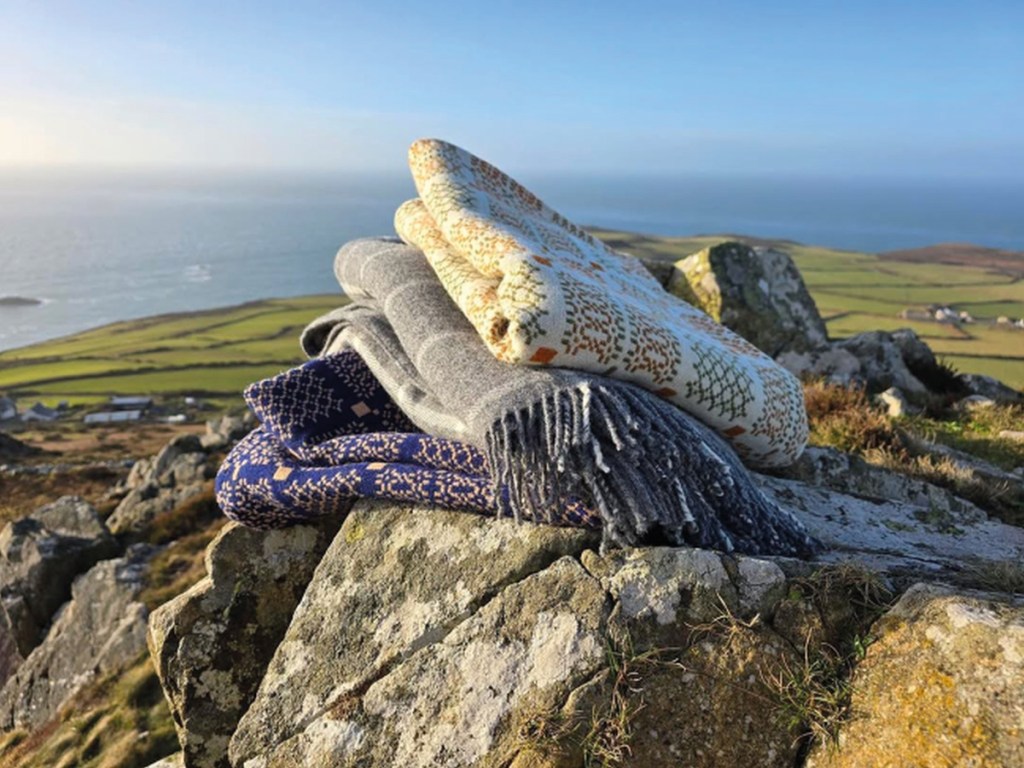
We keep our ambitions modest. We don’t want to be a huge, anonymous manufacturer. We want to grow steadily, protect skilled jobs and continue to weave here in Pembrokeshire for the long term. If we can do that and stay connected to the community and the coast, we’ll be doing something right.
The sea outside is always changing – sometimes calm and sometimes challenging. Inside the mill, the looms keep going, steady and reliable. Between the two, we’ve found a way to carry a long tradition forward, one blanket at a time.’
Find out more at melintregwynt.co.uk.