
Interview Susie Atkinson | Photography ©Catherine Lucktaylor, ©Jesse Wild, Anya Rice
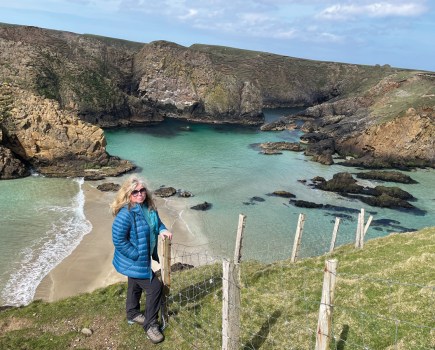
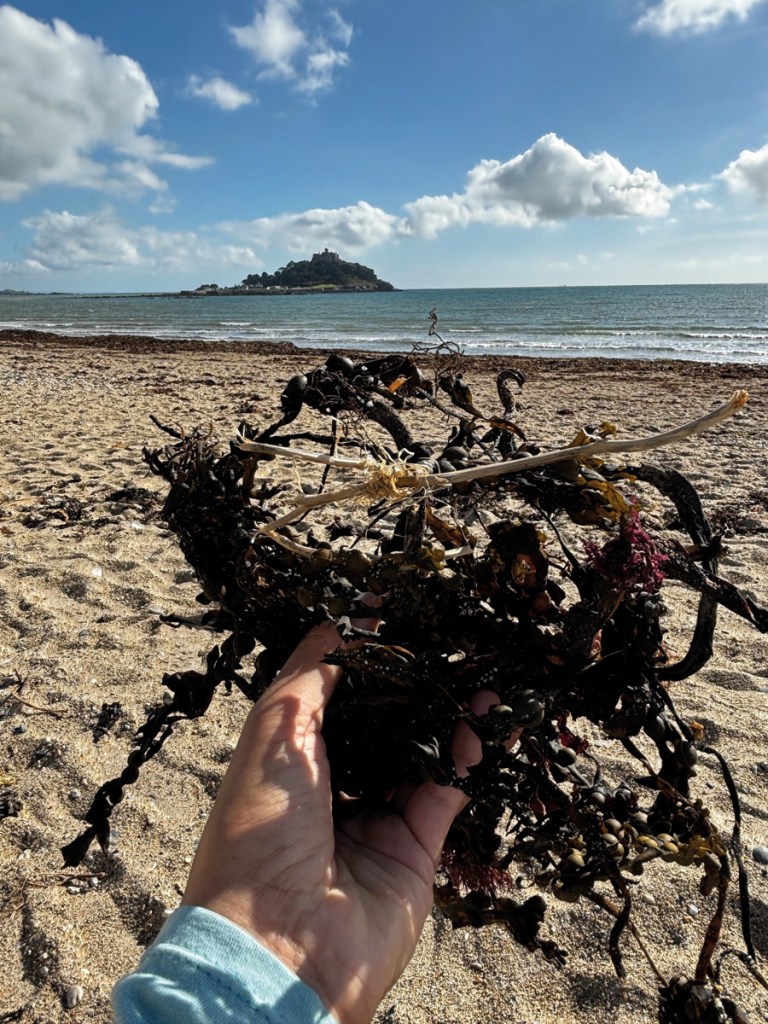
I wake each morning to the sound of gulls and the scent of salt on the air. From my home in Penwith, at the far western tip of Cornwall, I can walk down the valley, past hedges thick with foxgloves, and reach the sea in minutes. That early walk sets the rhythm for the day. I love how the ocean changes by the hour – calm one moment, wild the next – and it’s that constant change that feeds my work.
I’ve always been creative. At 16, I went straight from school into a two-year art and design foundation course at college in Huddersfield. That’s where I first worked with clay. I made a big coil pot and thought, ‘Oh, I love this. I can do this.’ It felt completely natural.
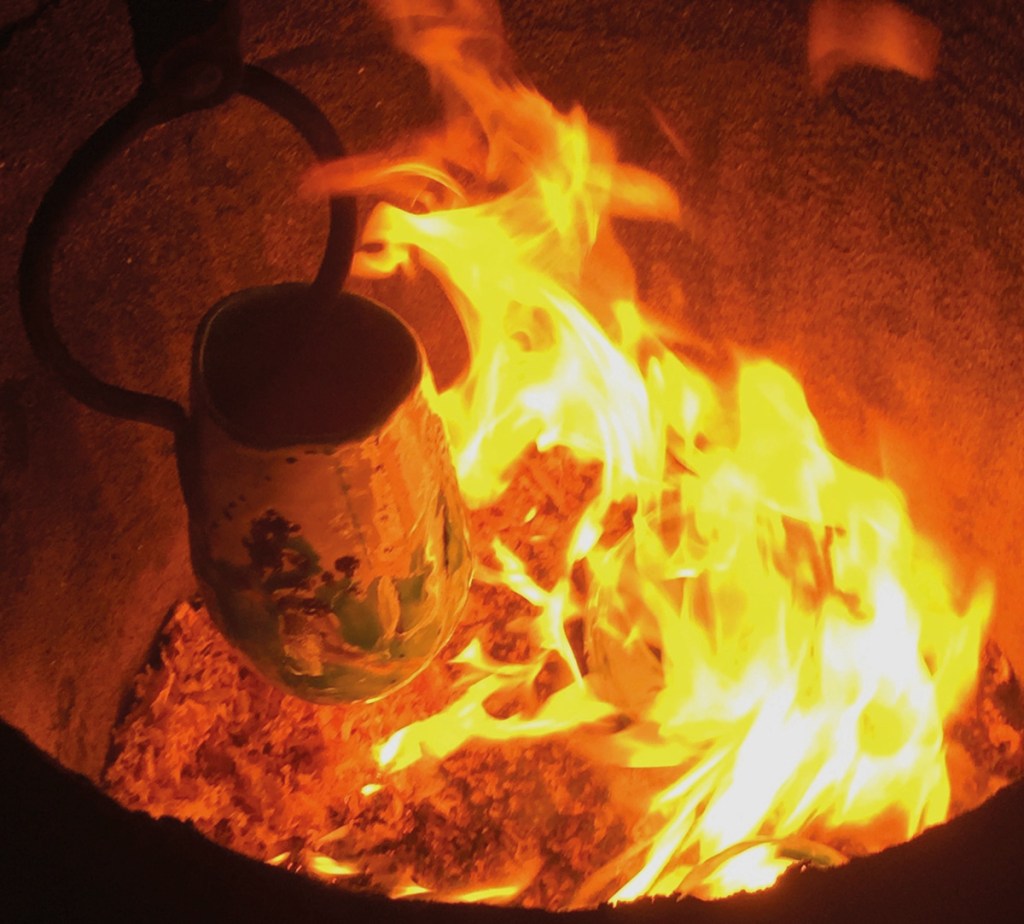
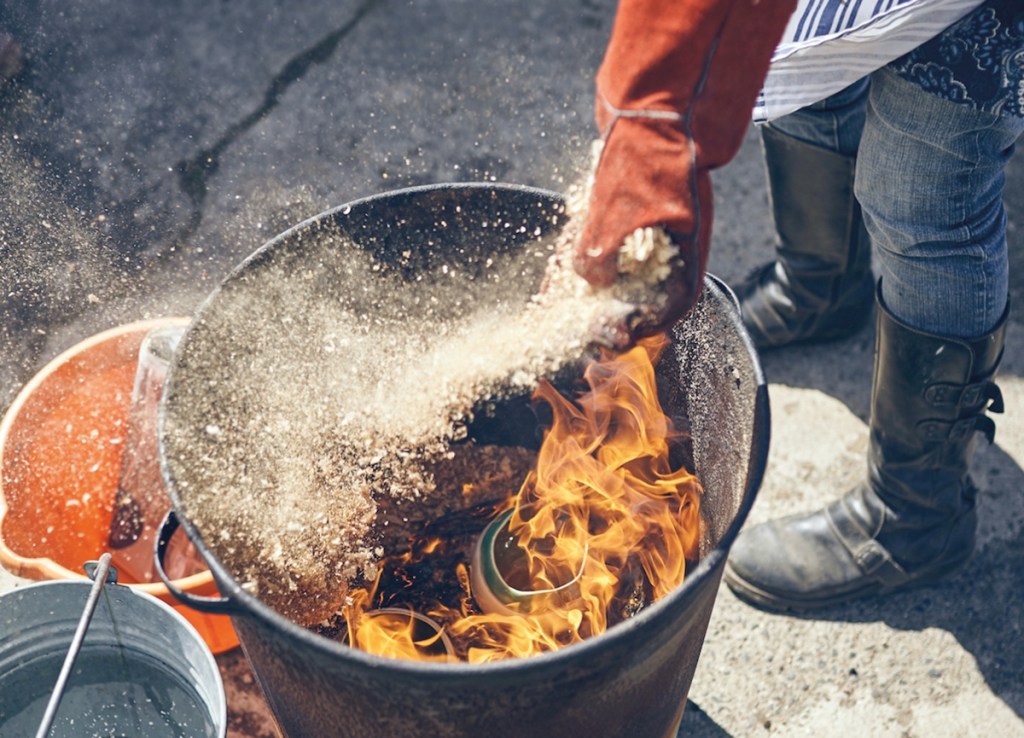
After that, I went on to do a ceramics degree in Wolverhampton, but as soon as I could, I moved to be by the sea in Brighton, which was a brilliant home city for me – full of artists and creativity. I was based at the Phoenix Gallery for many years, 10 minutes’ walk from the sea, and was a member of Earth Kilns, a group of friends who got together to support each other in exploring a range of low-fired ceramic techniques. This community gave me the confidence to experiment with Raku, a traditional Japanese firing method where hot, glazed pots are lifted straight from the kiln and placed in sawdust to create unique colours and finishes.
I wasn’t making a full living from ceramics then like I am now, so I worked part-time and took on Arts Council-funded projects and exhibitions – but working with clay was always at the heart of what I did, and walking on the beach was always my constant inspiration for my work.
Cornish inspiration
After the birth of my son in 2007, I relocated to west Cornwall. A friend in Penzance kept saying, ‘You’d love it here – it’s full of artists.’ So I packed up and moved to St Levan, on the west coast, rented a small house, bought a shed for the garden and used it as my studio.
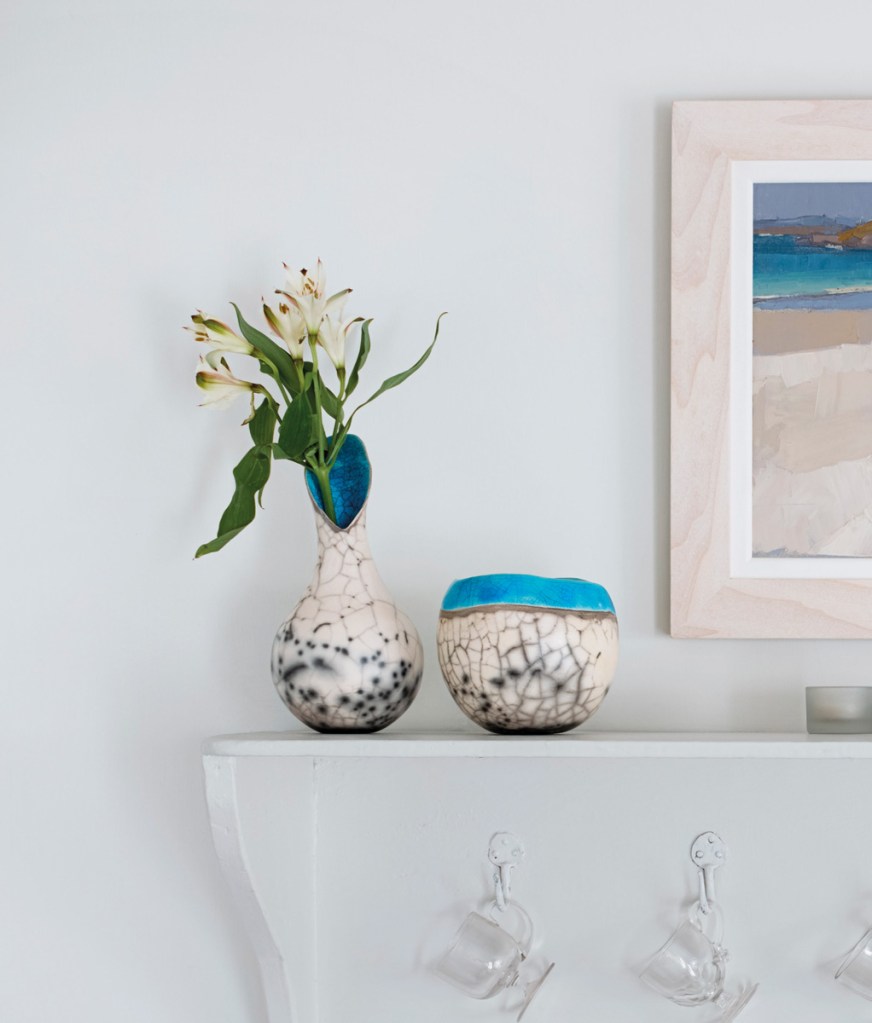
Cornwall completely transformed my work. The turquoise sea at Porthcurno, the granite cliffs, the hedgerows – all of it fed into what I was making. I made the decision to specialise in Raku-fired ceramics that I had experimented with in Brighton. This ancient Japanese technique basically means ‘Enjoyment’ and was originally used as part of traditional Japanese tea ceremonies.
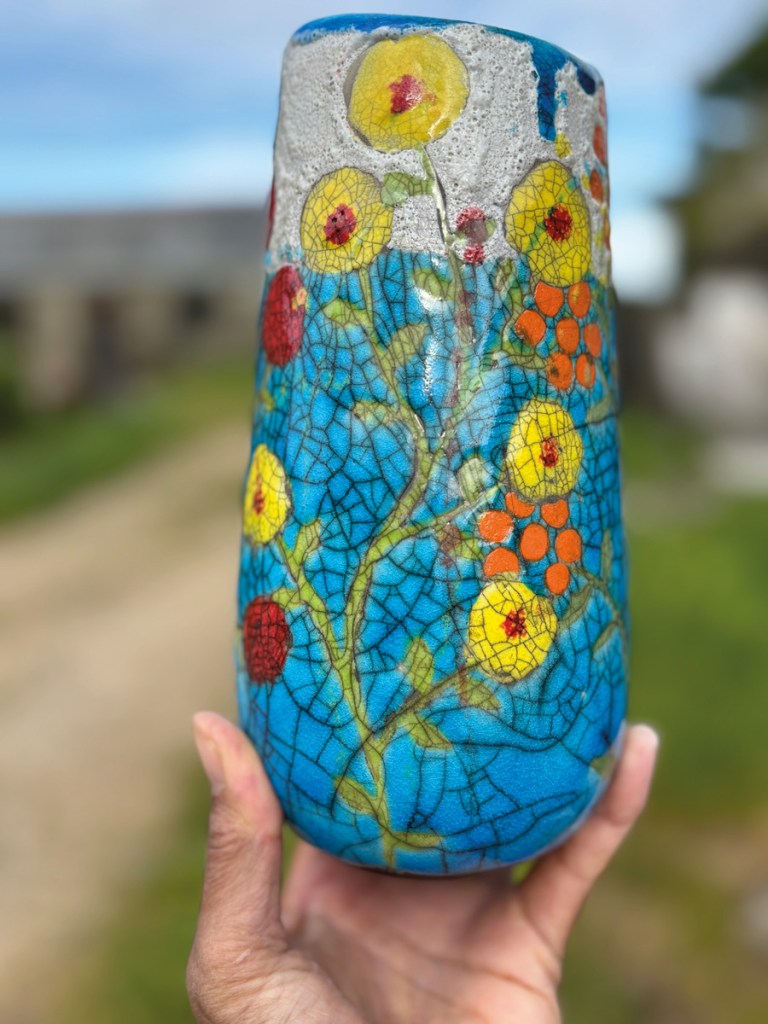
I created my Wild Cornwall and Landscape series, inspired by these ideas and the colours and texturesI saw around me. My turquoise glaze is exactly the shade of the Cornish sea – that gorgeous, luminous blue-green that shifts with the light.
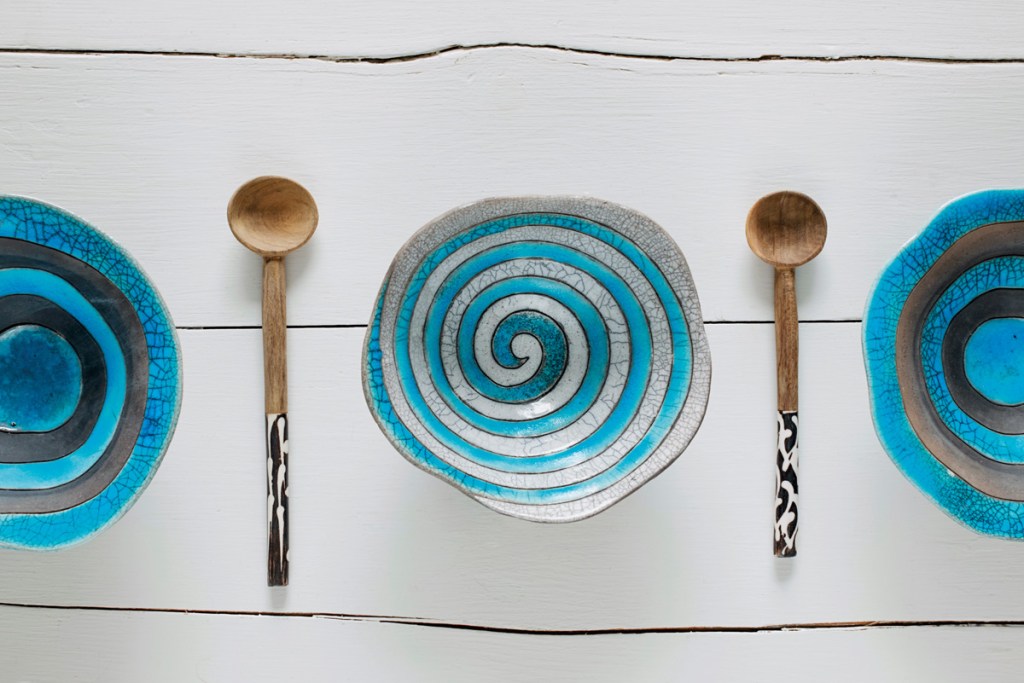
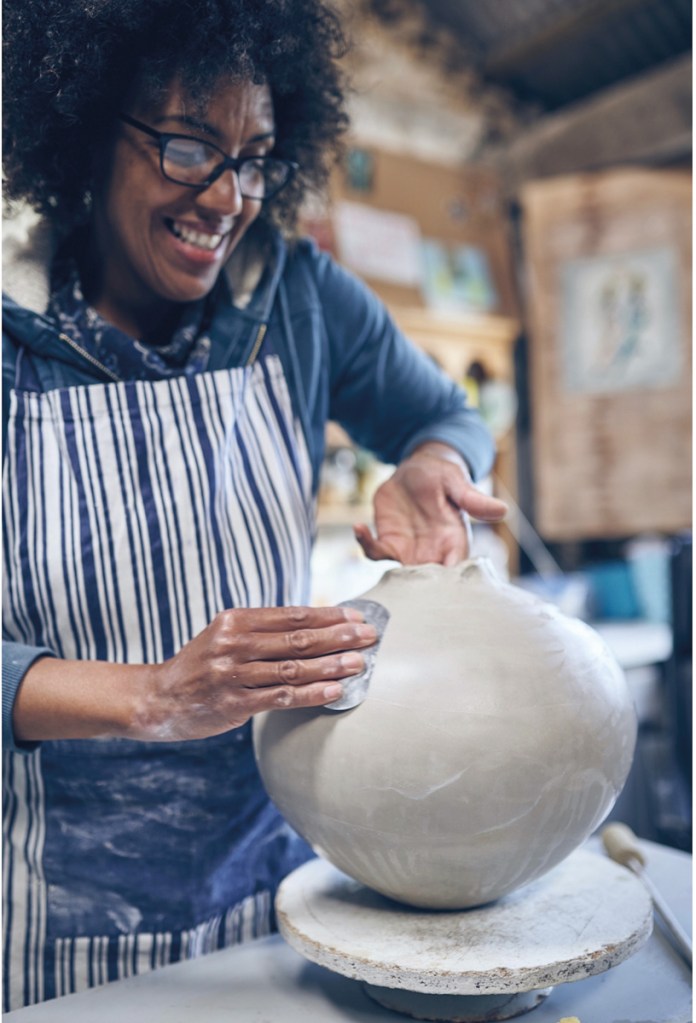
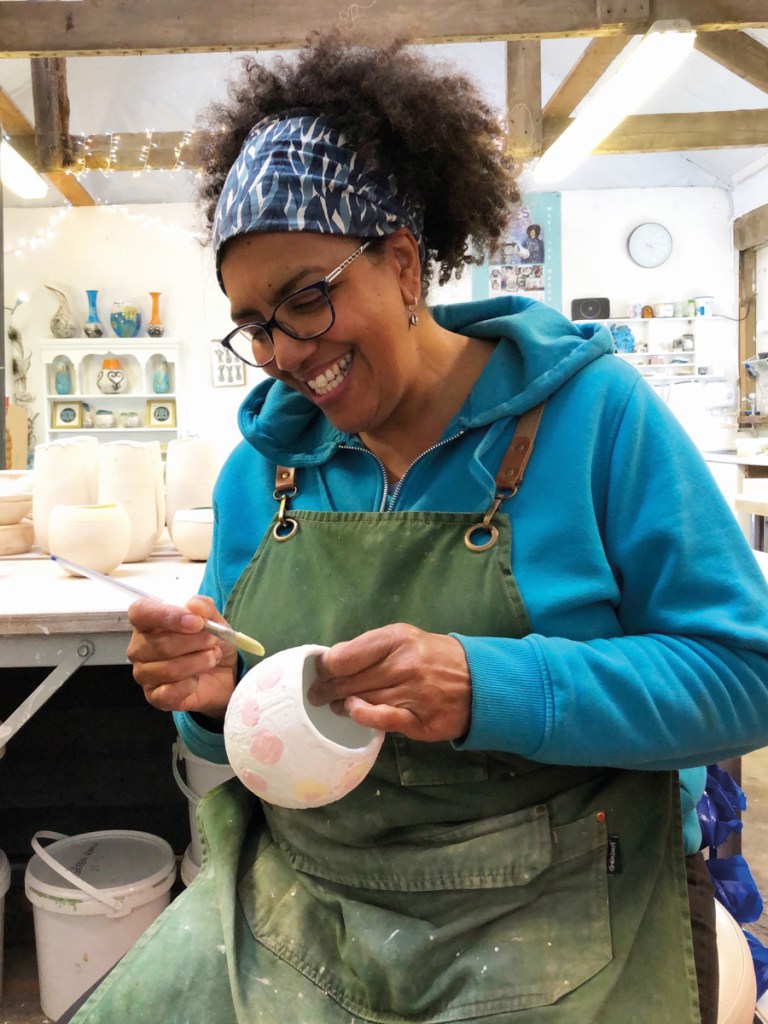
I don’t use a potter’s wheel but hand-build everything using ancient techniques: coiling, pinching, slabbing – which means rolling ropes of clay, shaping them with my fingers or joining slabs together. Each piece grows slowly. I often have 10 or 15 pieces on the go at once, all at different stages. Some are drying, some waiting to be glazed, others ready for the kiln. It’s slow, patient work and completely weather-dependent because in summer, the clay dries fast, so I have to work quickly; in winter, I have to cover and mist the pieces, waiting for them to reach the right consistency – so the weather dictates the pace that I can work at.
I use burnishing stones to polish the clay before firing – it’s an old technique that gives the surface a soft, natural shine. Recently, I’ve been making work inspired by Cornwall’s shifting weather, a Summer Mist collection inspired by that early-morning summer haze and a Winter Mist collection, which is smoke-fired and darker in tone, trying to capture those more atmospheric colder months. I’m so glad I made the decision to move to Cornwall and being by the sea is such a large part of my life here. Whatever is going on in my life, a walk on the beach or a swim in the sea is always uplifting and makes me feel better.
Ghanaian connection
People often ask about the Ghanaian symbols in my work. I was brought up in England in my mother’s white family. My Ghanaian father wasn’t around when I was growing up. I didn’t meet him again until my thirties. Growing up as the only black person in a white family in the 1970s wasn’t easy. There was a lot of racism around, and I often felt like the odd one out. As I got older, I wanted to connect with that missing part of myself, to feel more at home in my own skin.
In 1999, I was awarded a Winston Churchill Memorial Trust Travelling Fellowship for a project called In Search of Sweet Waters. I followed the journey of enslaved Africans from West Africa to Brazil, researching sacred art and the water goddesses of the Yoruba tradition. This trip enabled me to find my Ghanaian father and connect with my African heritage.
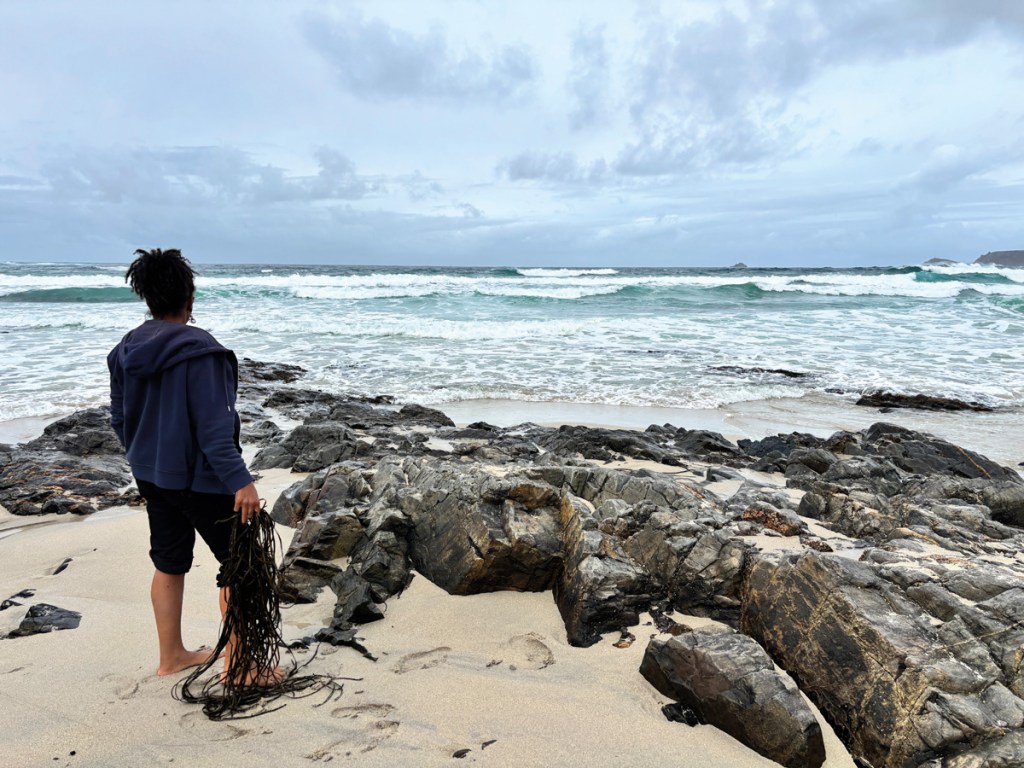
That journey found its way into my art. I started researching Adinkra symbols from Ghana – visual proverbs, each expressing a piece of wisdom – and
I now use them in some of my ceramics. It’s a way of honouring my heritage while still feeling grounded in my creativity here in Cornwall.
Alongside my ceramics, I run creative retreats near my home at Rosemerryn Wood – a beautiful old artists’ house surrounded by trees and close to
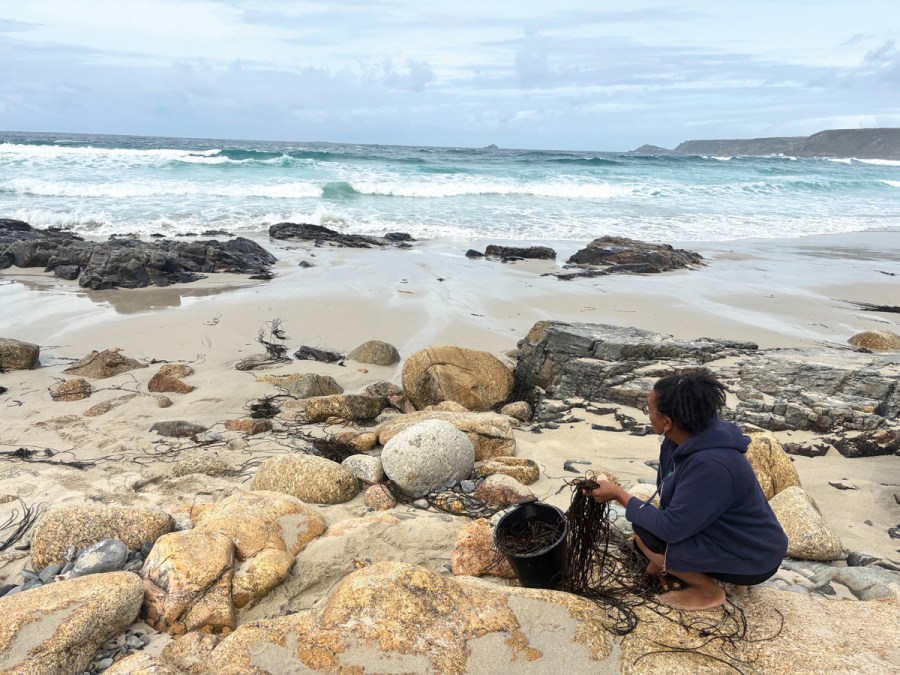
the sea. My week-long retreat EARTH | SPIRIT | FIRE brings everything together: clay, ancestry and the Cornish landscape. We perform ocean blessings at the beach and finish with Raku and pit firings. It’s all about reconnecting with the elements, which is what drew me to clay in the first place.
Life here in Cornwall makes me very happy. I’ve discovered that clay and coast have a lot in common: both are shaped by time, weather and care. They both keep me grounded and remind me where I belong.
For more information on Catherine Lucktaylor’s ceramics, Raku courses and retreats, visit her website, lucktaylorceramics.co.uk.