

Worldwide, bees are suffering the impact of disease and pesticides, but one unique archipelago, 30 miles out to sea, offers hope for the preservation of the British native bee
Interview Alex Fisher
Honeybees are essential pollinators, helping plants grow, fruits set, and ecosystems thrive. Yet globally, bee populations are under threat from disease, pesticides, and habitat loss. On the Isles of Scilly, local beekeepers have been taking extraordinary steps to safeguard their bees, ensuring these islands remain a haven of biodiversity.
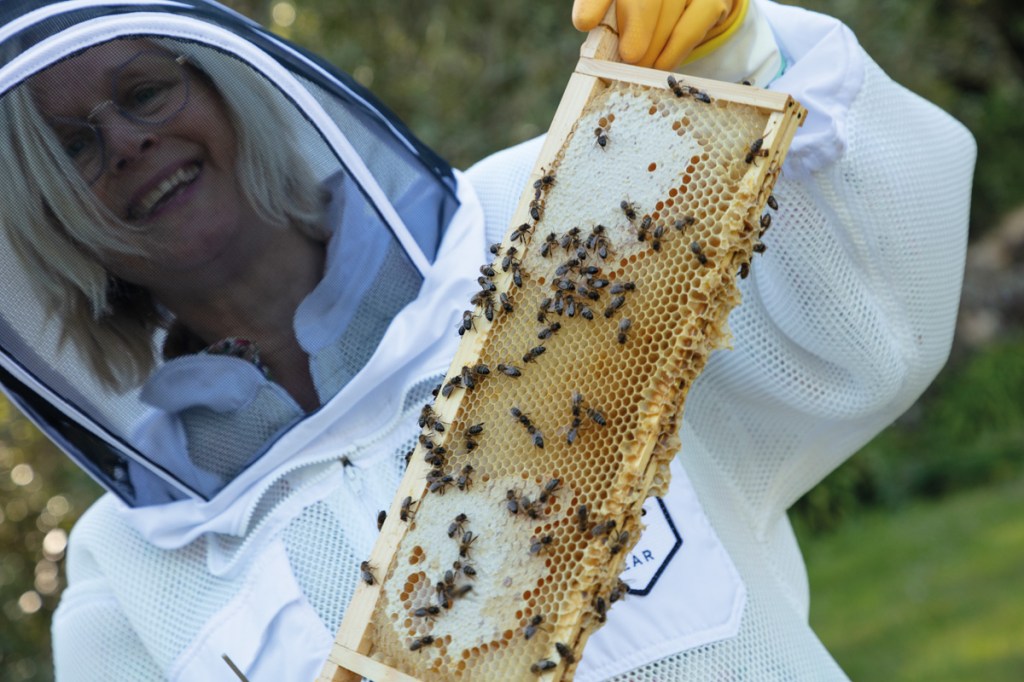
We talk to Jilly Halliday, beekeeper and environmental advocate, who has become a driving force behind the conservation project, campaigning for the protection of these unique creatures.
Why is it important to protect specifically the Scillonian bees?
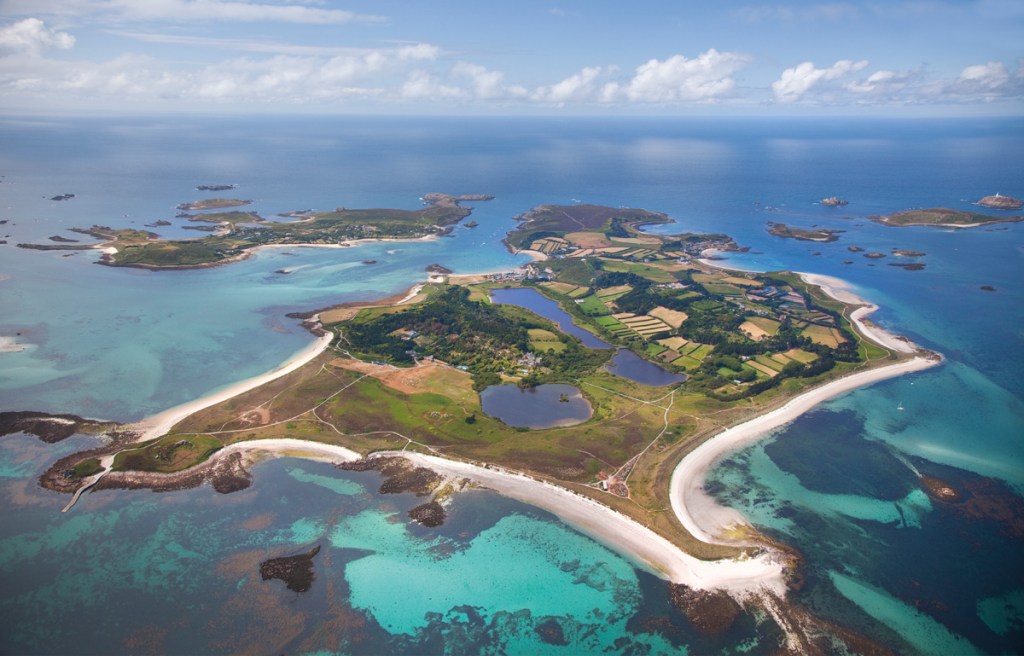
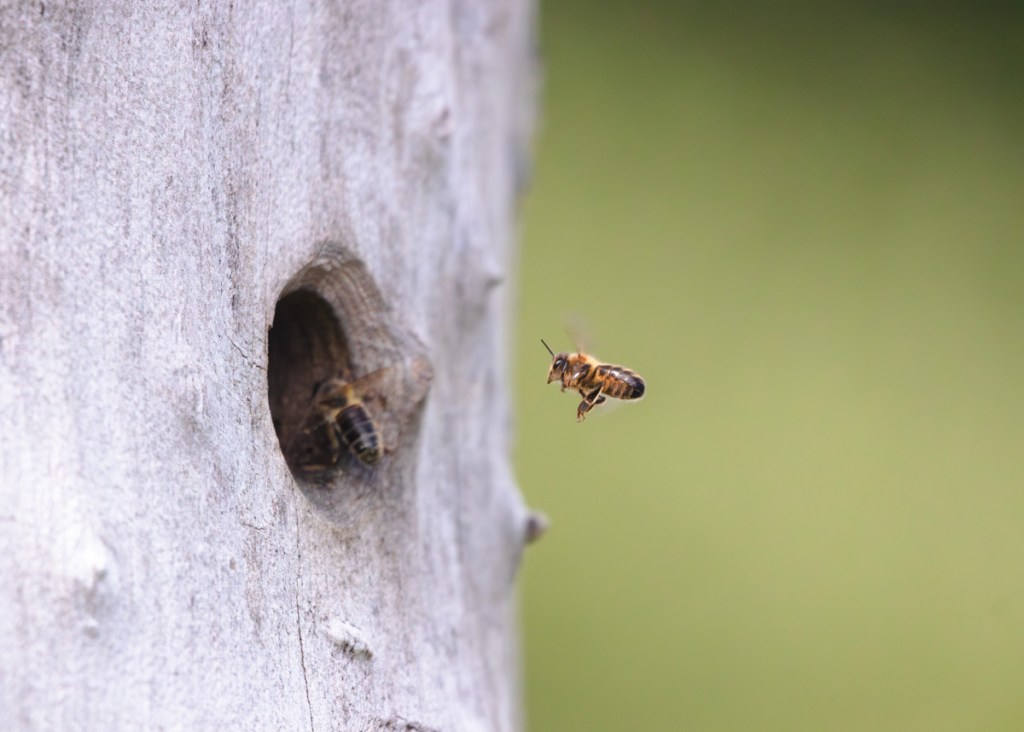
The honeybees on the Isles of Scilly, and specifically on Tresco and Bryher, are black native British honeybees. We know that because we have them DNA tested, and we know that they are pretty much pure British native honeybees. That makes them very special, because there are only pockets of these honeybees around the UK and in Northern Europe, and they’re in real danger, largely due to too many imports of non-native bees into the country.
What is special about these bees?
The isolation of these bees on our islands has allowed them to develop a distinct subspecies – the Scillonian bee – which is adapted to the unique island environment. They are a rare genetic reservoir that has remained untainted by imported bee populations. The importance of these bees extends far beyond local interest. These bees serve as critical environmental sentinels, providing insight into ecosystem health, climate change, and biodiversity. They represent a potential genetic lifeline for British native bee populations, offering pure genetic stock that could be crucial for future conservation efforts.

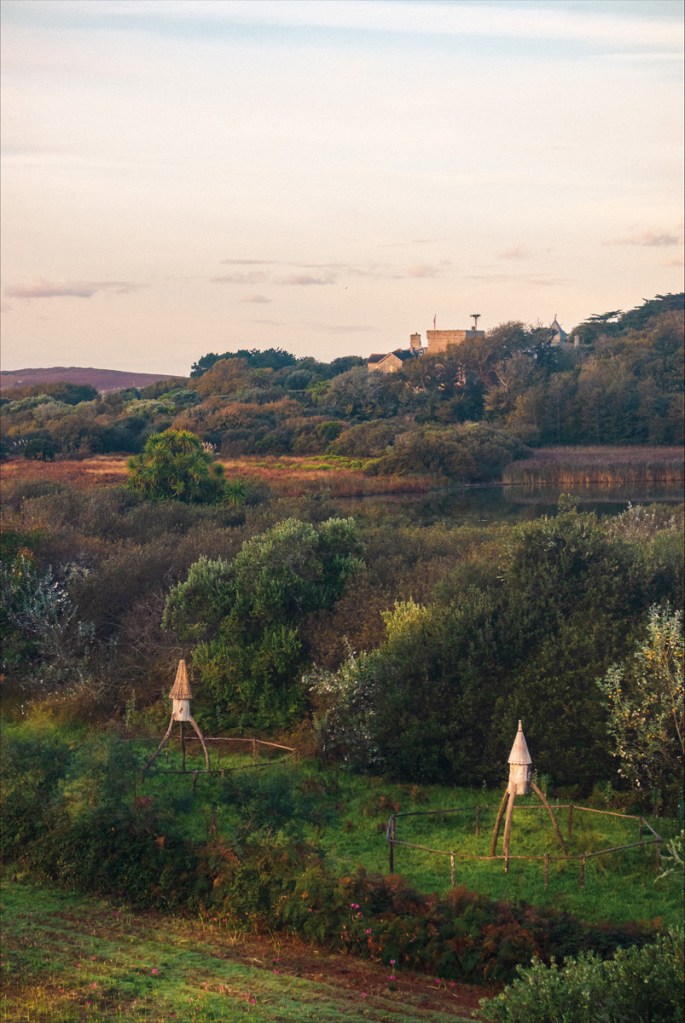
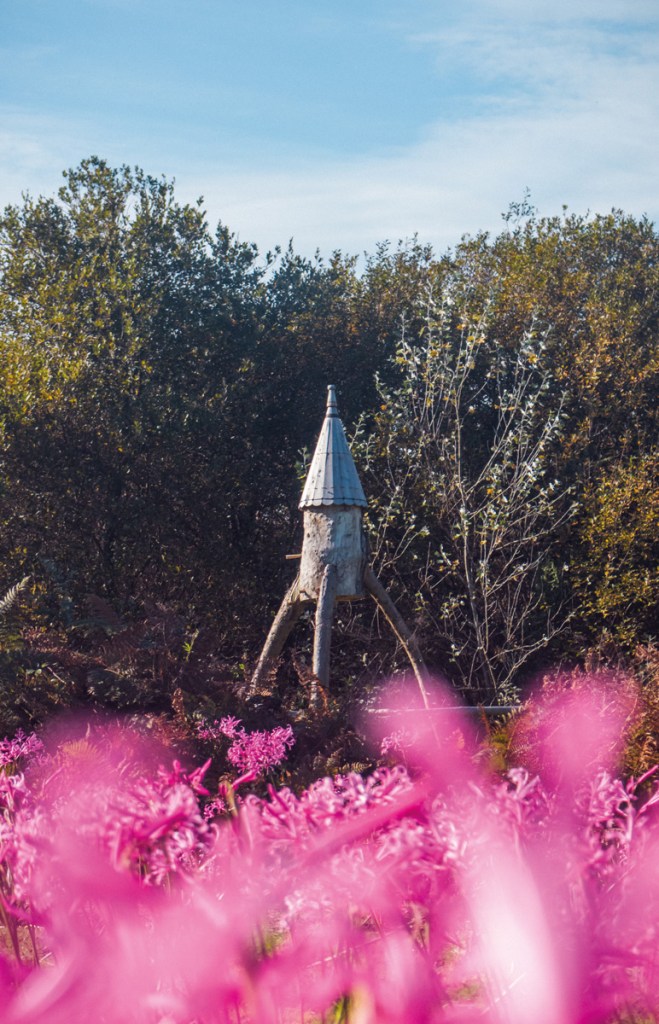
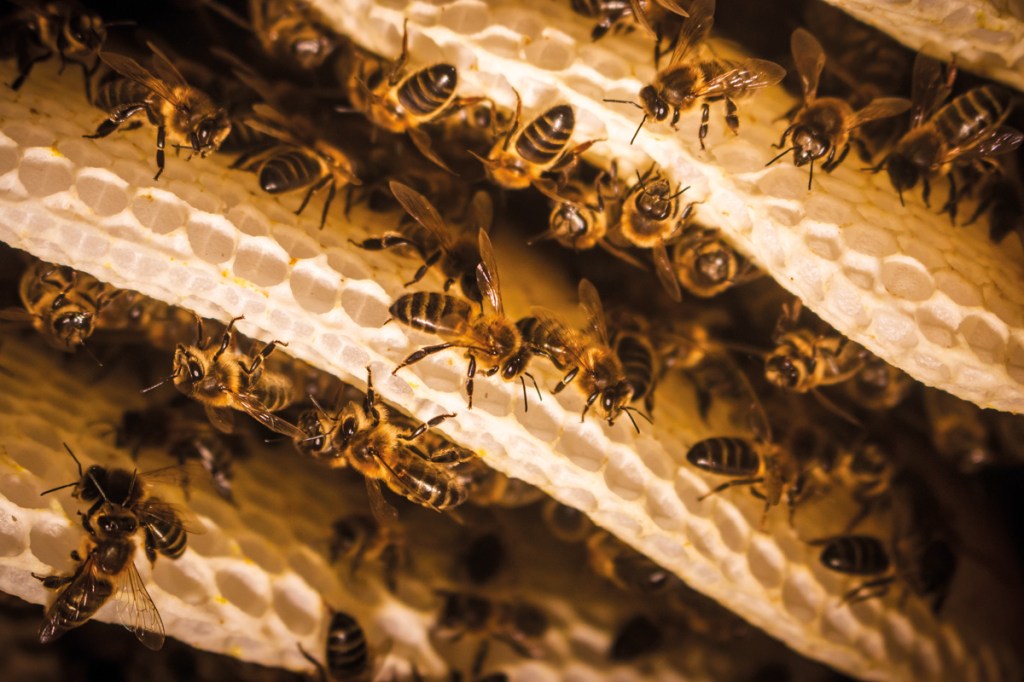
As well as being native bees, they don’t have varroa mite, and that’s hugely significant. The varroa mite is having a huge impact on bee populations around the world, but our bees are healthy. Being on an island helps to keep us protected from infection. It’s like beekeeping in the 1950s here. It is beautiful. Our bees are so healthy.
What is happening globally to bees?
Everywhere around the world, honeybees are facing collapse from pesticides, varroa mite, diseases, and viral impact. That’s why these bees on the Isles of Scilly are so special and so worth protecting. They’re so resilient. They live in hot, dry summers and windy, damp winters. They are darker, hardier, and more resilient than their mainland counterparts, capable of thriving in the challenging maritime conditions of the Isles of Scilly.
How did the campaign to protect the bees start?
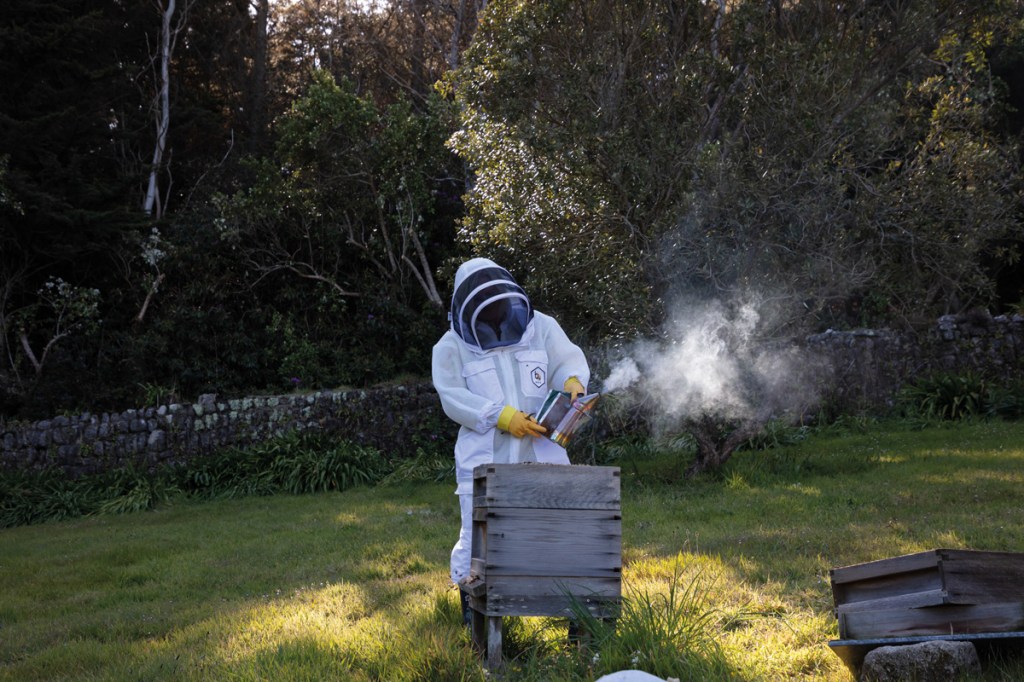
About 10 years ago, local beekeepers made an informal agreement to stop importing outside bee populations and protect the native bees. This handshake agreement has now evolved into a sophisticated conservation project involving local beekeepers, the Wildlife Trust and scientific researchers.
What is the ultimate aim of the initiative?
The goal is to obtain ‘varroa-free status’ – a designation that would provide legal protection for these unique bees. This is something that the Isle of Man has already achieved, and we want to follow in their footsteps. They can now legally prevent imports of bees – however, we rely on the strength of our community initiative to do this currently. In order to do this, we have to work through a complex governmental process.
Currently, the community has implemented rigorous protocols: they limit the number of hives per island, conduct regular disease testing, and have engaged the local community in the welfare of their bees by creating the ‘Game of Drones’, where local school children help track and colour-code drone bees to monitor their mating patterns and genetic diversity – but we still need the government protection.
We’ve been working with Defra to try and get a varroa-free status, but in the meantime we’re also trying to educate people, making sure that beekeepers don’t bring in honeybees from outside to the islands. Ultimately, we want to create a bee bank – a living genetic repository that can help restore bee populations elsewhere if needed. It’s an ambitious but hopeful project that represents the best of community-driven conservation.
What can visitors do to help the bees?
It would be great if visitors could think about what packaging they bring, especially plastic, and what they leave behind. Also, sticking to paths and not trampling the moorland helps too. Of course, if they can make the time to come to one of my talks at Tresco Gardens, that would be fantastic! Buy local honey. Taste the honey from the islands, because it’s just beautiful. When they return home, do the same, find out who their local beekeepers are and support them – always buy local, small-scale honey.


This community-led campaign isn’t just about protecting our local environment. It’s about protecting an entire ecosystem – a delicate balance of nature that took thousands of years to develop. And by supporting our pollinators, perhaps we might support our ability to continue to produce the food humans rely on too.
For more information about visiting Tresco and the Isles of Scilly, go to tresco.co.uk and visitislesofscilly.com. Travel directly from the mainland to Tresco with penzancehelicopters.co.uk.