
From childhood collections to international exhibitions, artist Steve McPherson transforms the Kent coast’s cast-offs into powerful works of memory, mystery and meaning
INTERVIEW SUSIE ATKINSON
I’ve always been a collector. As a kid growing up on the North Kent coast – Margate born and bred – I was the one with pockets full of fossils, badges, smelly rubbers and anything the tide tossed up. The beaches I wandered on back then are still the ones I walk now, only these days, I’m usually heading out in search of plastic – discarded, weathered, ocean-tumbled plastic, which has become my primary material and artistic obsession.
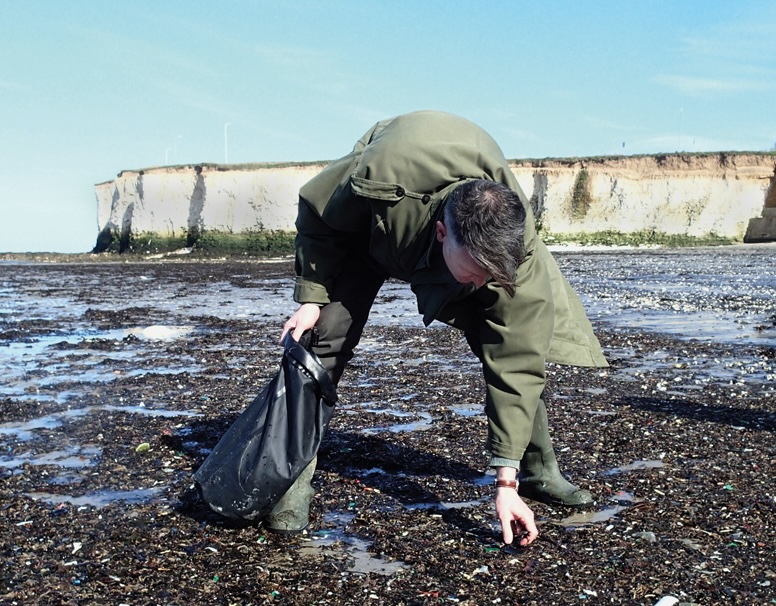
I’ve lived on the coast for most of my life. As a child, I could see the ocean from my bedroom window and would fall asleep to the distant, comforting yawn of a foghorn. These days, I live just a couple of hundred metres from the beach in Westgate-on-Sea. I wake to the cries of gulls, step out into salt-laced air and often walk to my studio, a minute from home, with the sound of waves in my ears. I can’t be away from the sea for long. I start to feel slightly claustrophobic if I’m inland for too long, like something vital is missing. I suppose I feel lovingly haunted by the marine environment. It’s there in my dreams and in my bones. I hardly go a day without seeing the water and even when I sleep, I return to vast dreamscapes stitched together from the real and imagined beaches of my life.
Curiously, though, I’m not a sailor. I never have been. My love of the sea is very much from a firm footing. You’ll find me swimming during the summer months but I witness and adore the ocean from the shore. It’s the scale of it that gets me: its power, its mystery, its raw, infinite indifference. The phrase I once scribbled down in a notebook sums it up: ‘The sea does not notice me’. And there is something awe-inspiring about that, in the oldest sense of the word. It reminds me of how small I am.
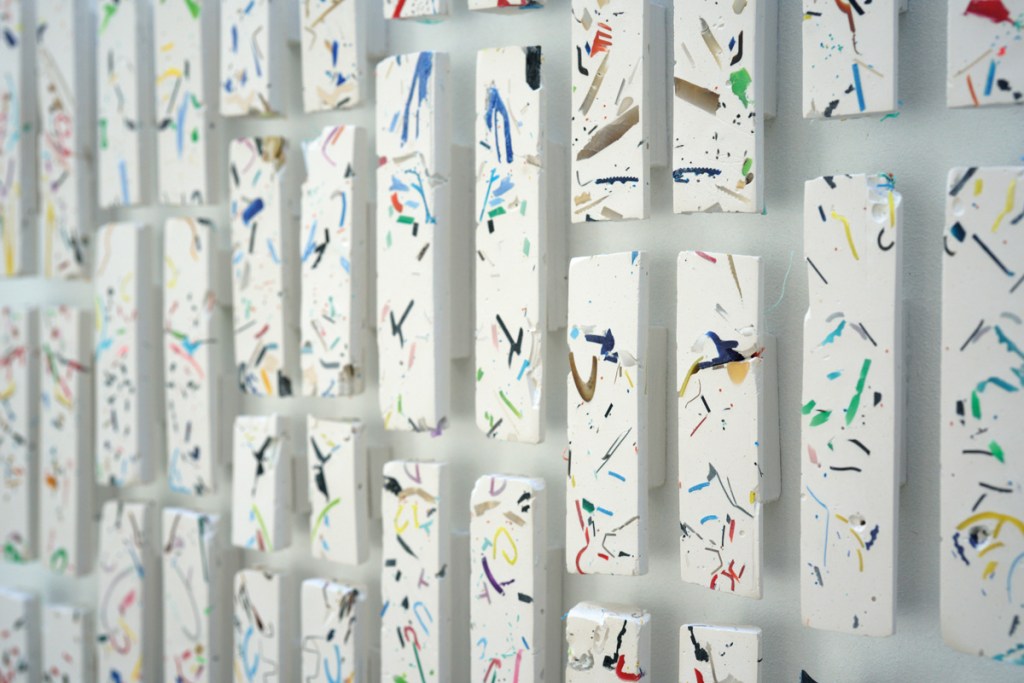
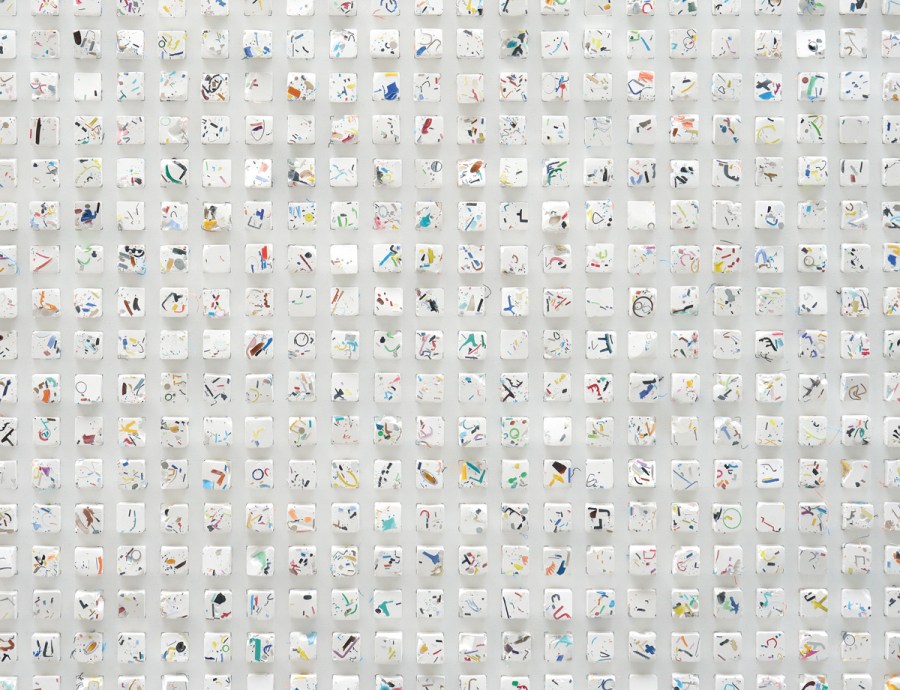
That reverence extends into my creative practice, too. My art is made from what the sea discards: bottle tops, rope, toys, fishing net, broken fragments of the manmade world, bleached and beaten into strange new shapes by tide and time. I don’t alter them, I don’t melt or cut or polish. I preserve them. Frame them like artefacts in a museum.
I’ve always been obsessed with museums, especially ones full of stuff in boxes and trays – no touchscreens, no animations, just objects and wonder. These weathered plastics might be mundane, but to me they are contemporary archaeology.
ART AS ACTIVISM
My connection to the marine environment isn’t just personal or artistic – it’s activist, too. Over the years, I’ve worked with various marine conservation organisations. I’ve designed products for Surfers Against Sewage, donated artworks to the Algalita Marine Foundation, spoken in schools with the Marine Conservation Society and championed the reduce, reuse, recycle ethos through talks and exhibitions. I want my work to raise questions and stir feelings. Not in a didactic way, but in a reflective one. Beach cleans, for instance, are brilliant but only if the waste is truly recycled. Too often, it ends up in landfill. I prefer to think of my practice as a kind of slow, meditative beach clean – one that gives objects a second life, rather than a silent burial.
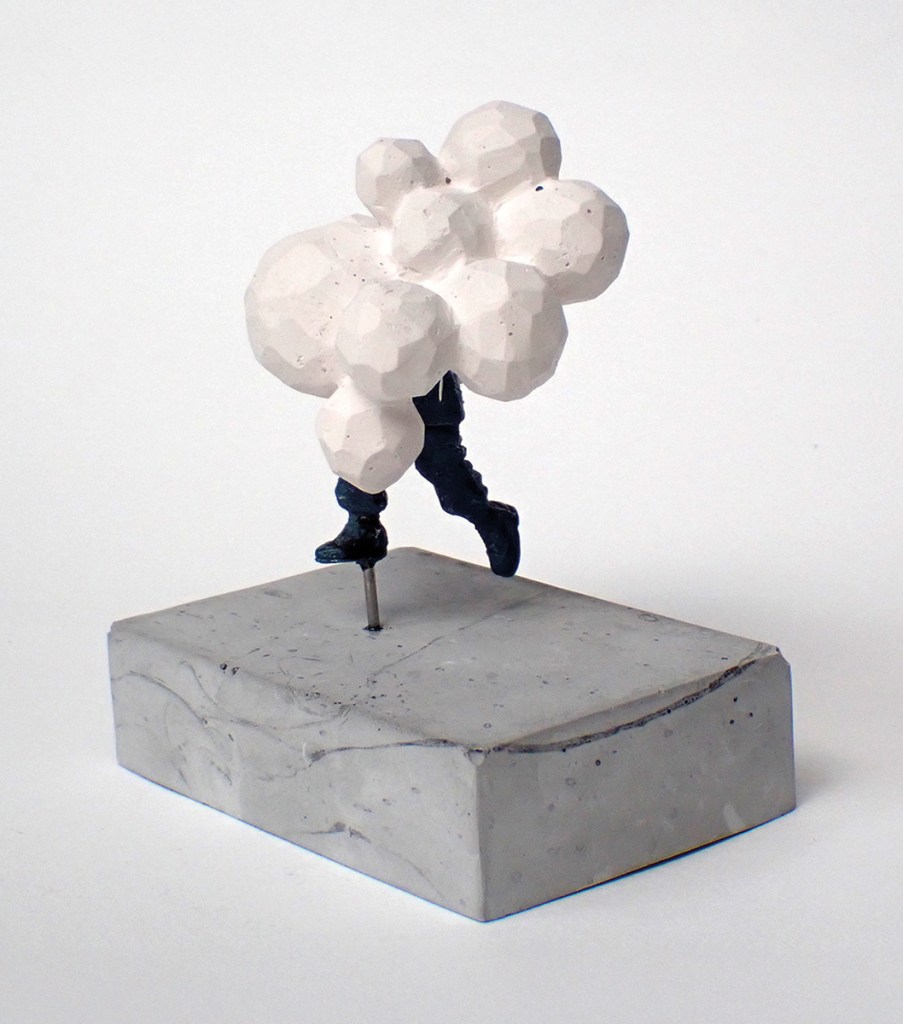
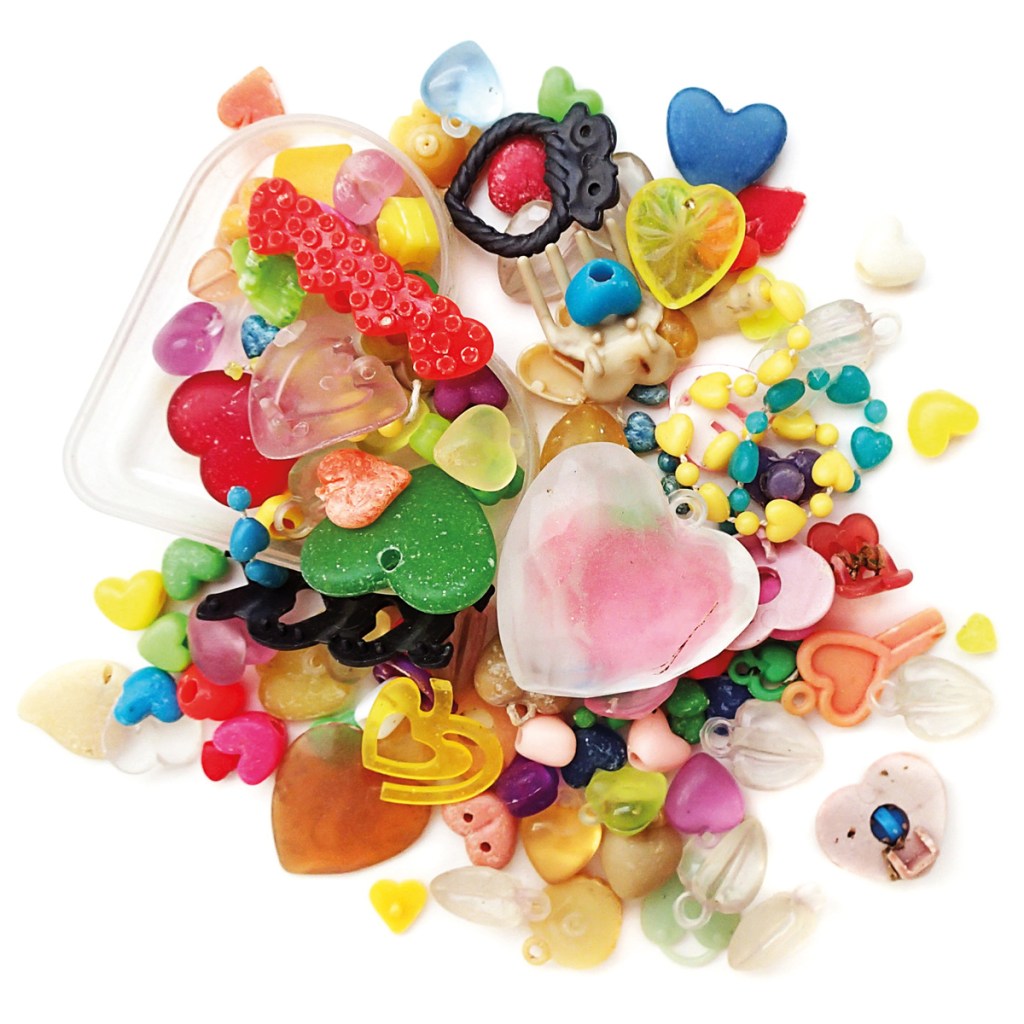
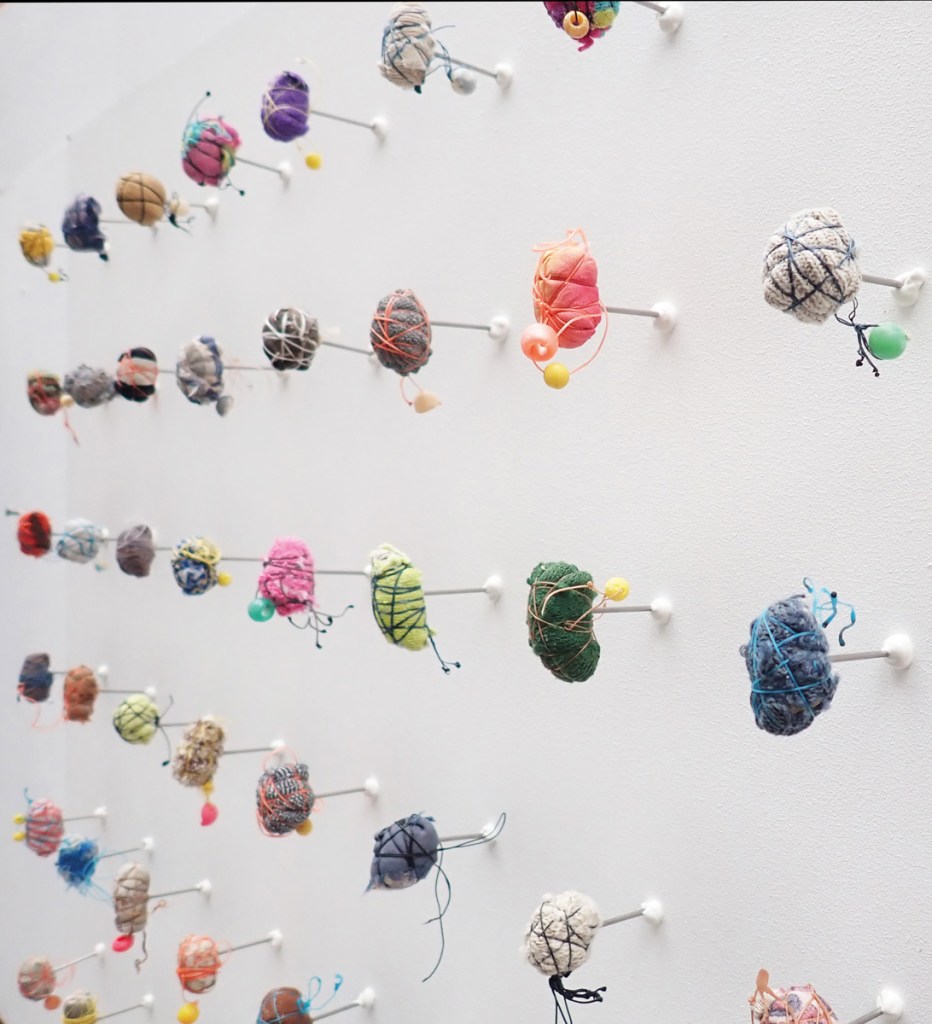
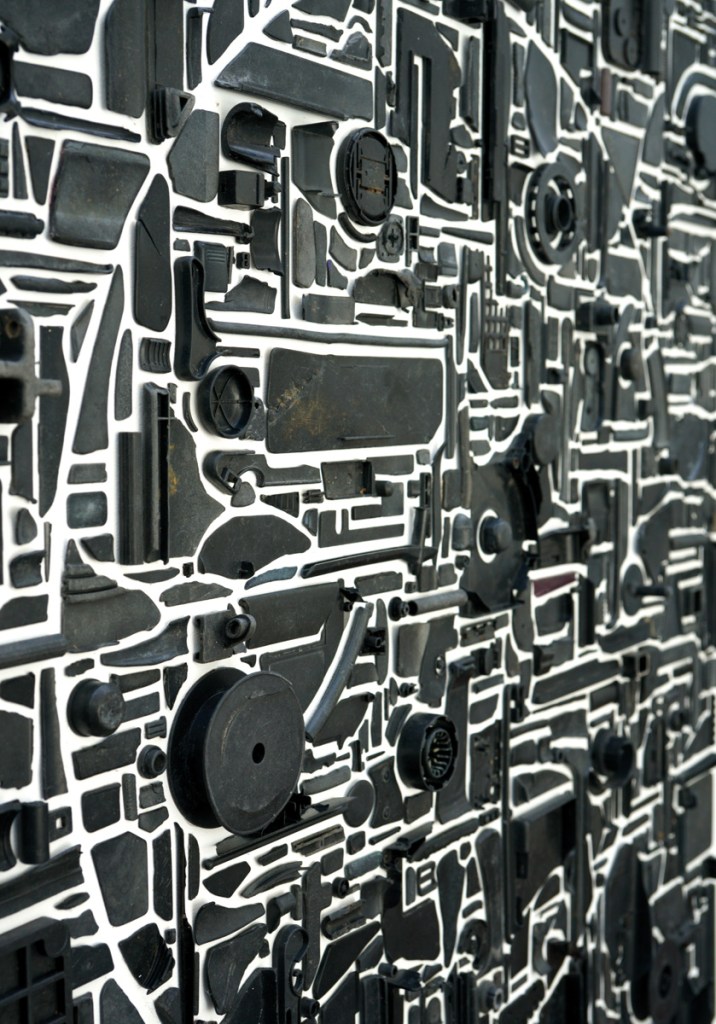
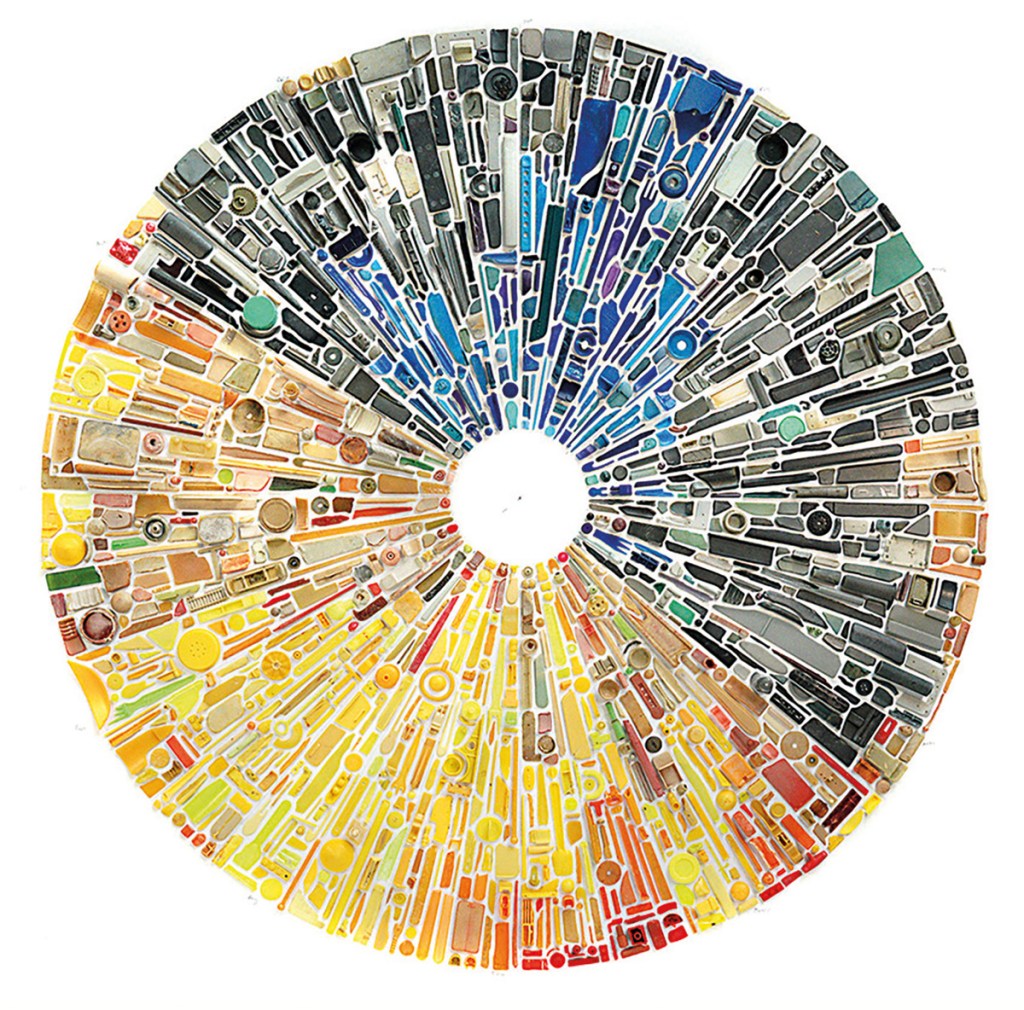
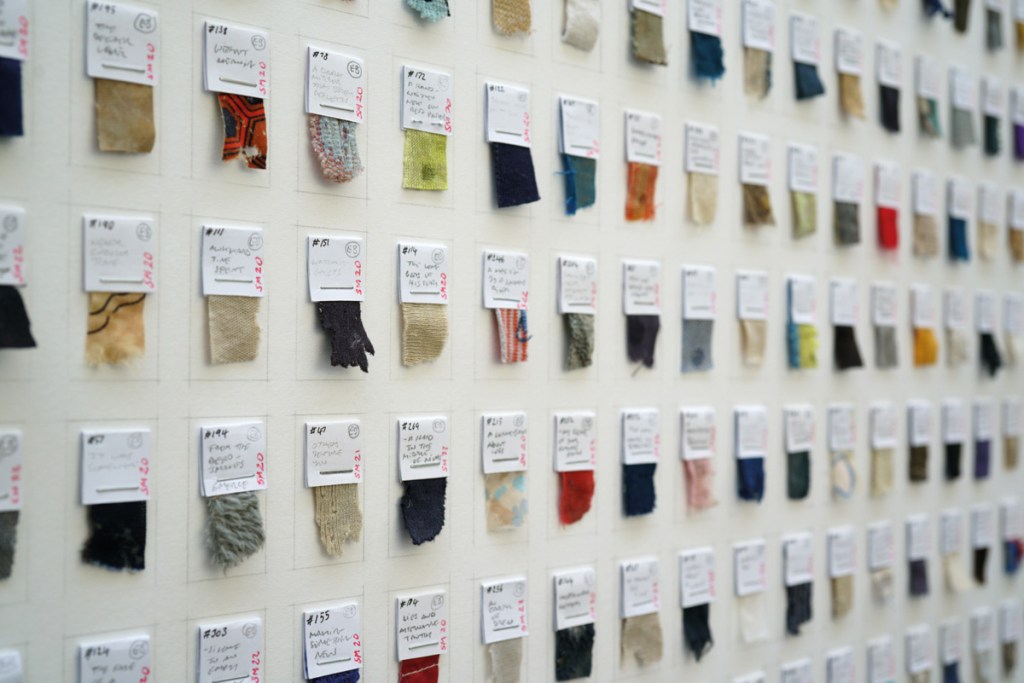
I’ve spent so much time on these beaches – decades of wandering, collecting, thinking – that when I bend down and pick something up, it can feel like I’m retrieving a piece of my own past. But I also feel the presence of other lives. Every object contains echoes of the person who used it, lost it, discarded it. Their stories might be unknowable, but that doesn’t matter. There’s value in the mystery. Truth is malleable – plastic, even – and that ambiguity is part of what draws me in. I’ve always had this fascination with the everyday – how ordinary things become extraordinary through context, through the act of looking. That instinct to gather and arrange began in childhood, when I’d bring home found objects from the beach and present them proudly to my mum. She was always encouraging.
Over time, my finds became less about fossils and more about curious bits of plastic. One day, I realised just how much of it there was. Instead of being overwhelmed, I thought, well, if I collect it, I’ll eventually do something with it.
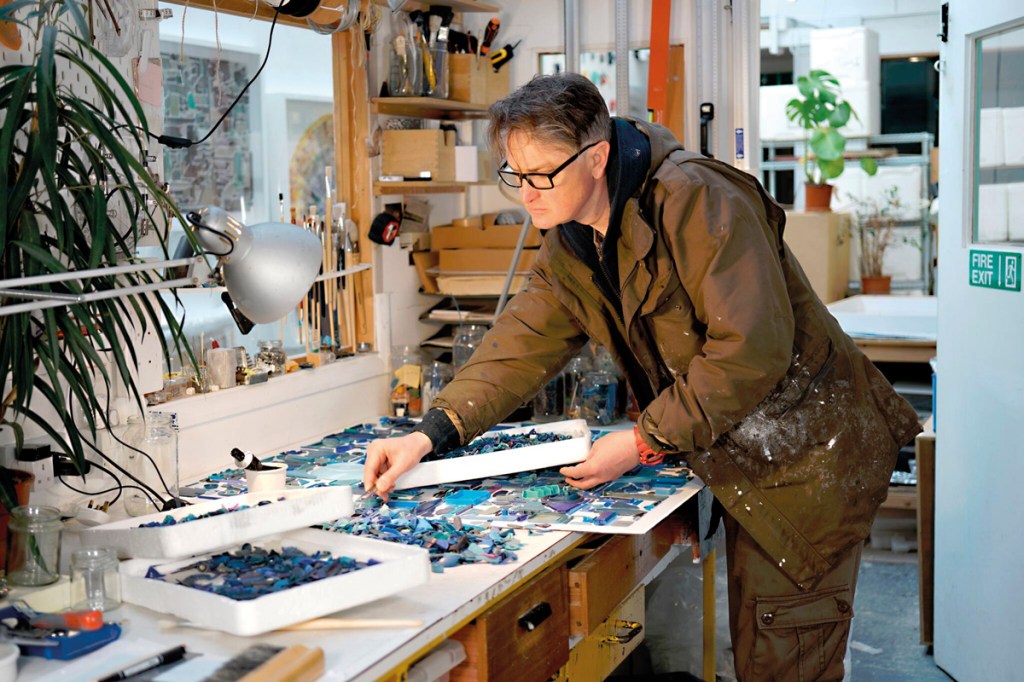
And that’s where my current work began: with accumulation, intention and eventually transformation.
THE ALCHEMY OF CREATIVITY
That idea of transformation – of taking something overlooked or discarded and giving it meaning again – is central to what I do. I often describe it as alchemical. I’m not interested in monetary value, but emotional and cultural value. And the irony isn’t lost on me that I’m colour blind. I can’t always see what other people see in terms of colour. What looks like green to me might be pink or orange. But that doesn’t stop me from creating work that resonates. I feel my way through the process, using tone, rhythm and texture to guide me.
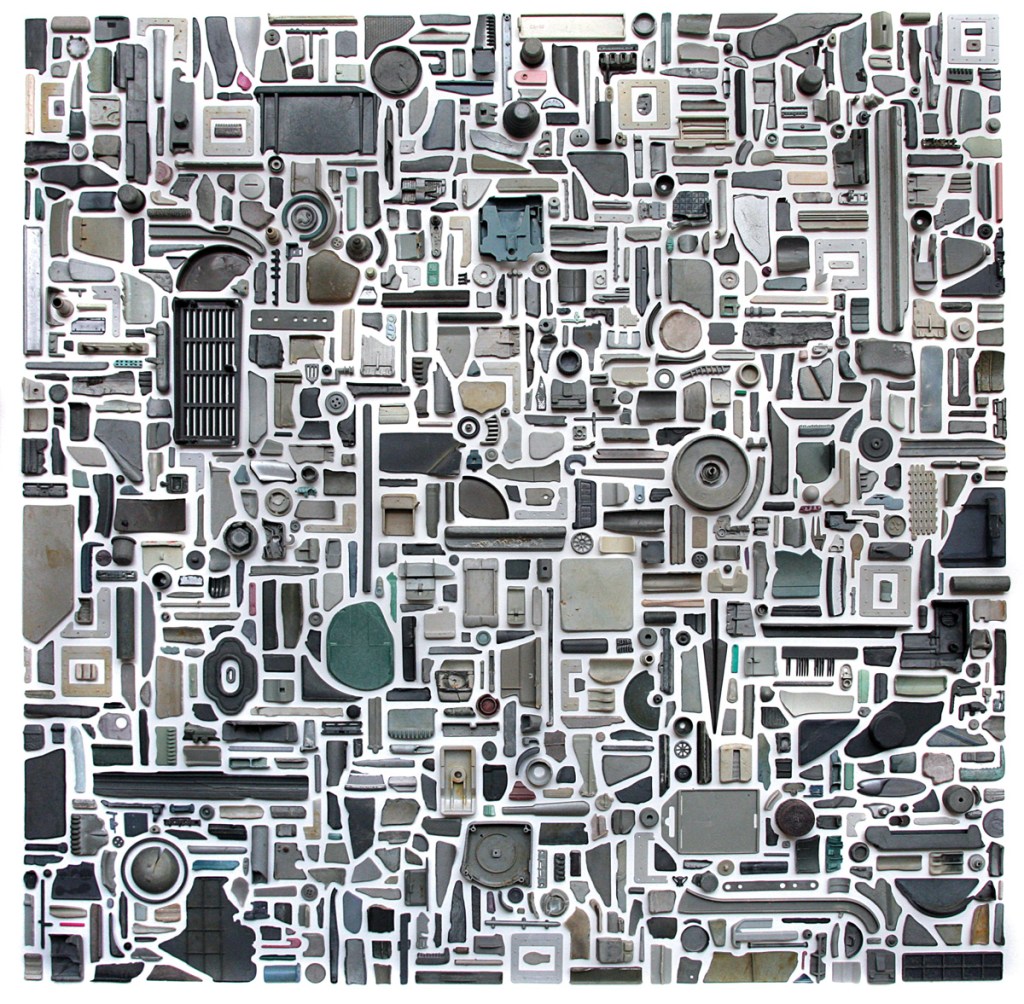
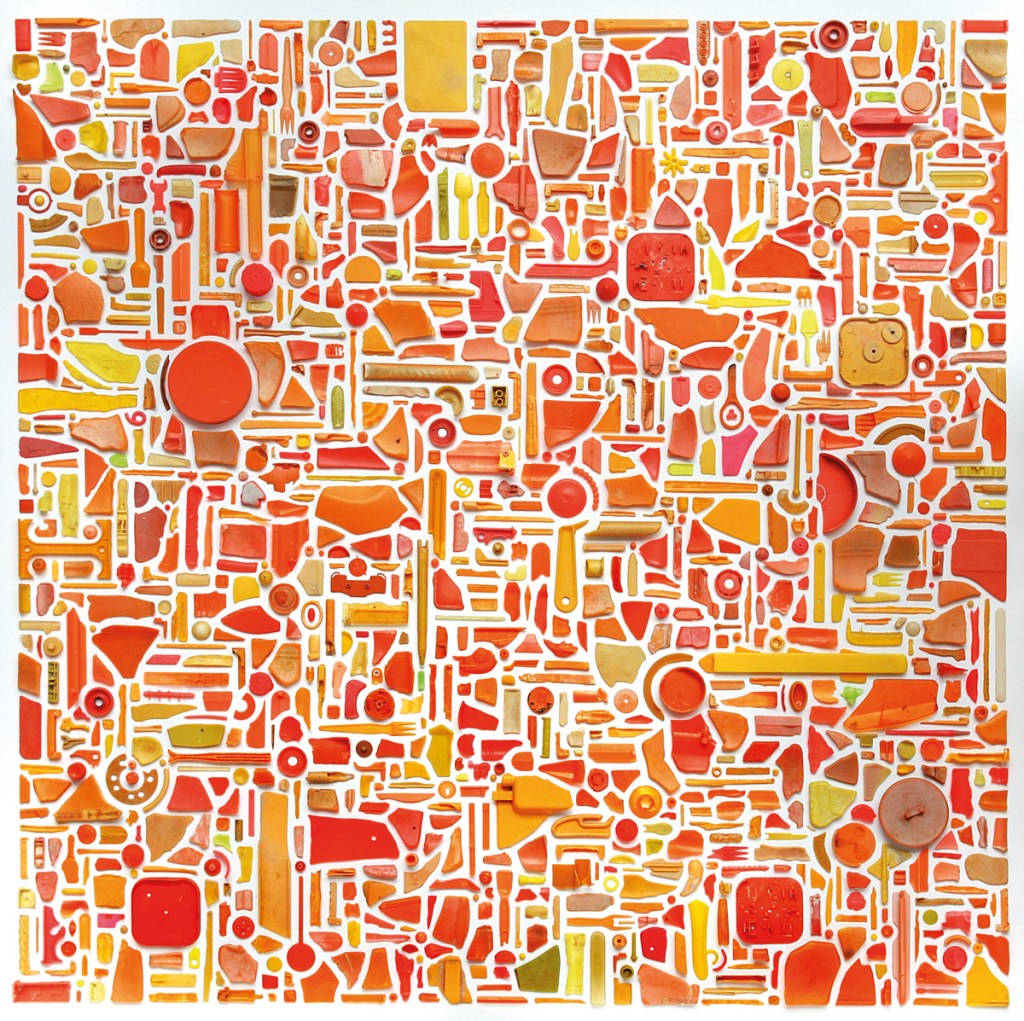
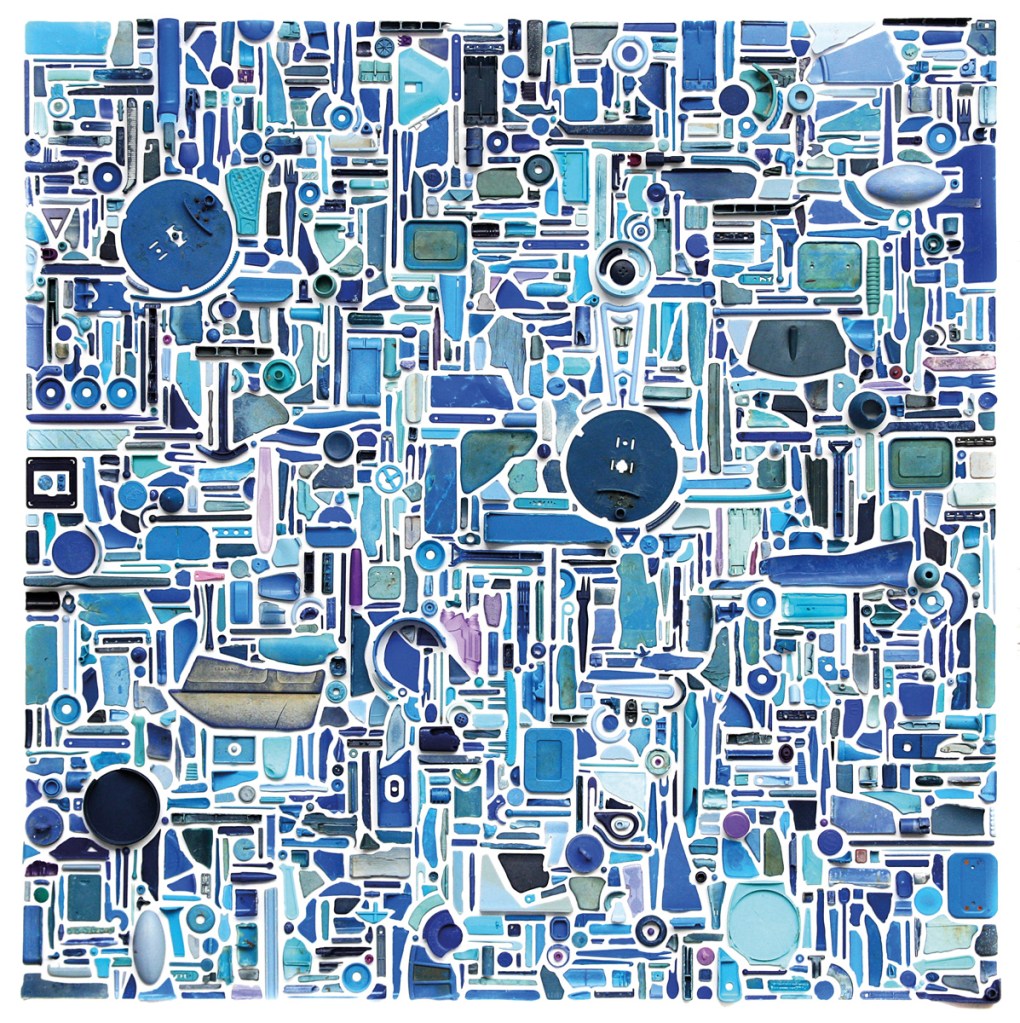
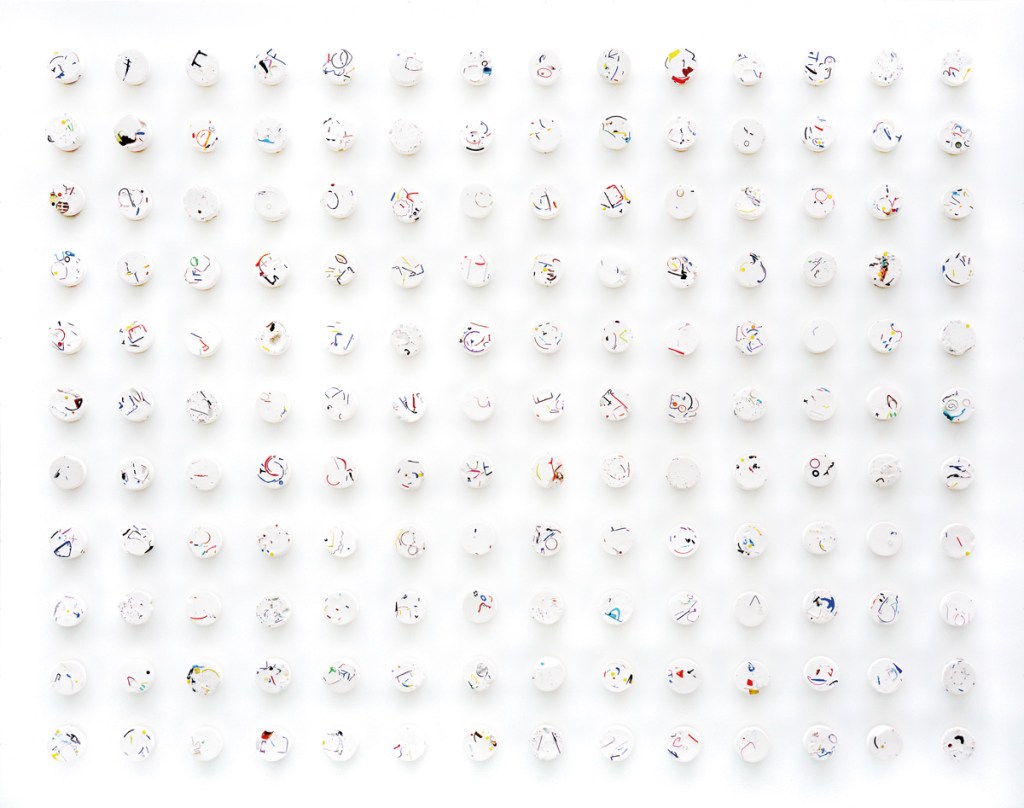
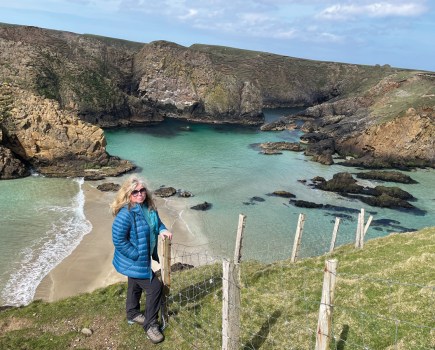
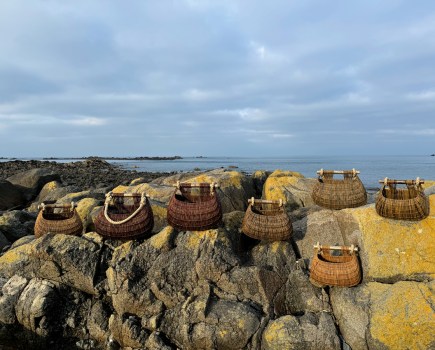
Over the years, my work has taken me far from Kent: exhibitions across the UK, the US; I was an artist in residence in Taiwan and the Shetlands. But no matter where I go, I always return to the beaches of my youth. The coastline here is layered with memory and meaning. I could walk with you along this shore and name 20 stories for every beach – the people I was with, the finds I made, the moments I’ll never forget.
Because every piece I make – every artwork – is ultimately a conversation. Between the sea and the land. Between what’s lost and what’s found. Between the rubbish of yesterday and the relics of tomorrow. And maybe, just maybe, between who we were and who we still might become.
For more information, go to stevemcpherson.co.uk.