

Architect Alastair Bowden tells Coast how a steep site in North Devon was transformed into a low-energy coastal sanctuary with panoramic sea views
Interview Susie Atkinson photography © Jim Stephenson
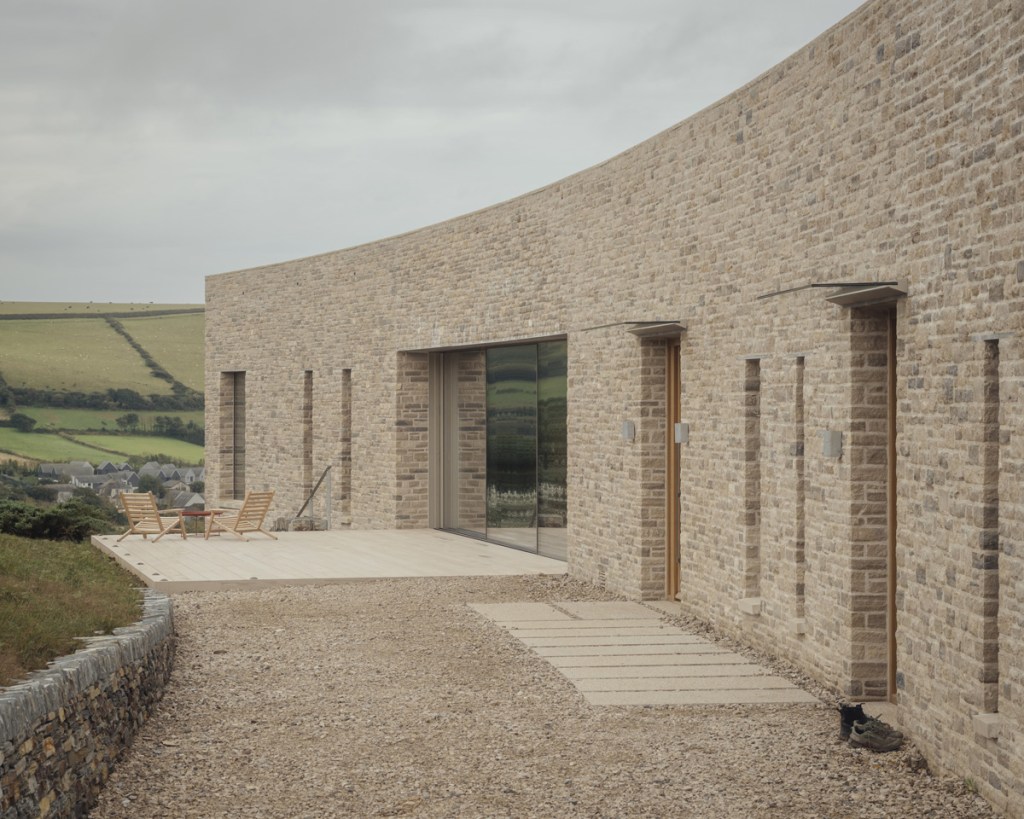
Perched above the dramatic North Devon coastline, with sweeping views, Bay House is a home designed both to embrace and withstand its coastal surroundings. Created by British architecture practice McLean Quinlan, this five-bedroom home replaces a tired 1970s bungalow with something far more sustainable and site-specific: a stone-clad, low-energy house which blends into the hillside while maximising views of the sea.
The house was designed for a family who wanted to live with a closer connection to nature. They also had a strong focus on sustainability, which informed everything from the use of Dorset stone and natural low-carbon materials to the implementation of green technology, including a ground source heat pump and solar panels.
McLean Quinlan designed the house to step down the steeply sloping plot in a series of elegant levels, reducing its overall visual impact while opening up multiple vantage points for enjoying the sea view. From the road, Bay House appears to be a modest, single-storey structure, but it gradually unfolds into three floors of light-filled, functional living space.
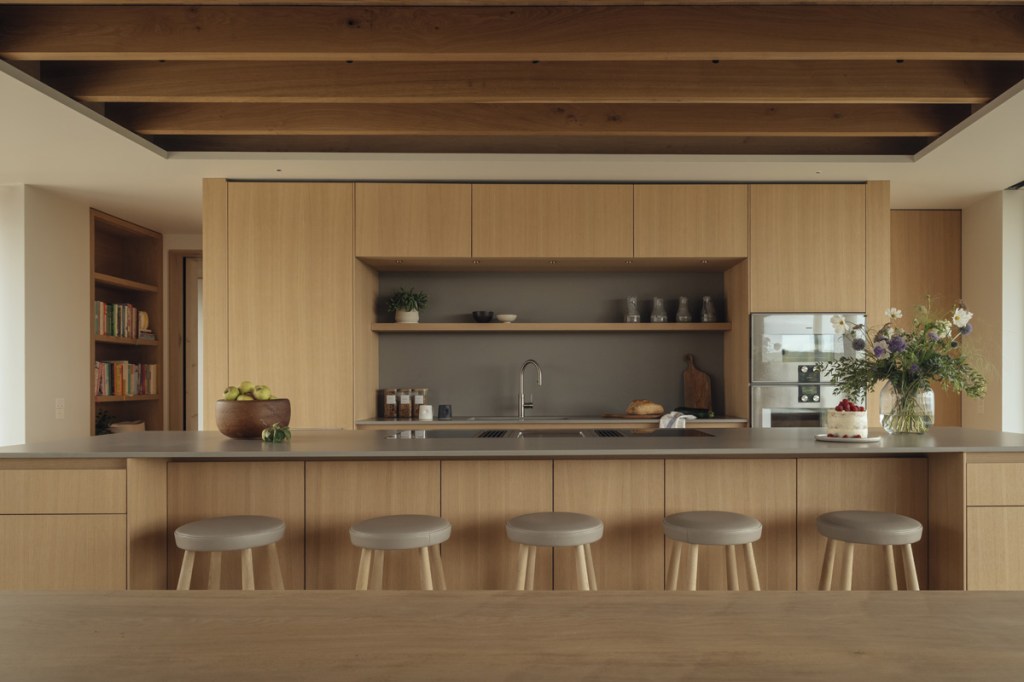
Here, McLean Quinlan director and project architect Alastair Bowden explains to Coast how he and his team balanced sustainability, aesthetics and sea-facing living in a challenging but rewarding location.
Do you work on a lot of coastal properties? Yes, quite a few over the years. Each coastal site brings its own magic and its own set of hurdles – exposure to the elements, planning restrictions and a need for durability. But also: the views, the drama, the light. It’s hard to beat.
Are there specific challenges when you are working on coastal projects? Absolutely. The wind, salt and sun are all harsher by the sea. You have to overspecify everything – windows, metals, insulation. Bay House uses hurricane-grade glazing and marine-grade metalwork to withstand the Atlantic weather. And then there’s the planning side, which can be more complex in designated Areas of Outstanding Natural Beauty.
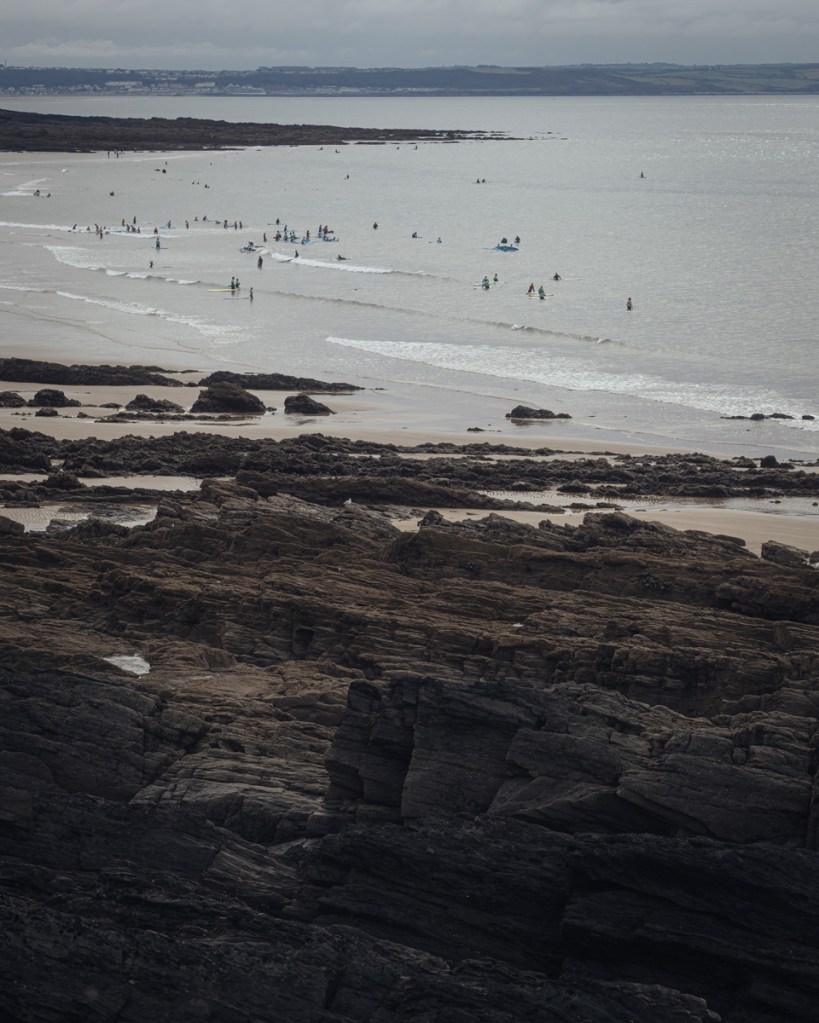
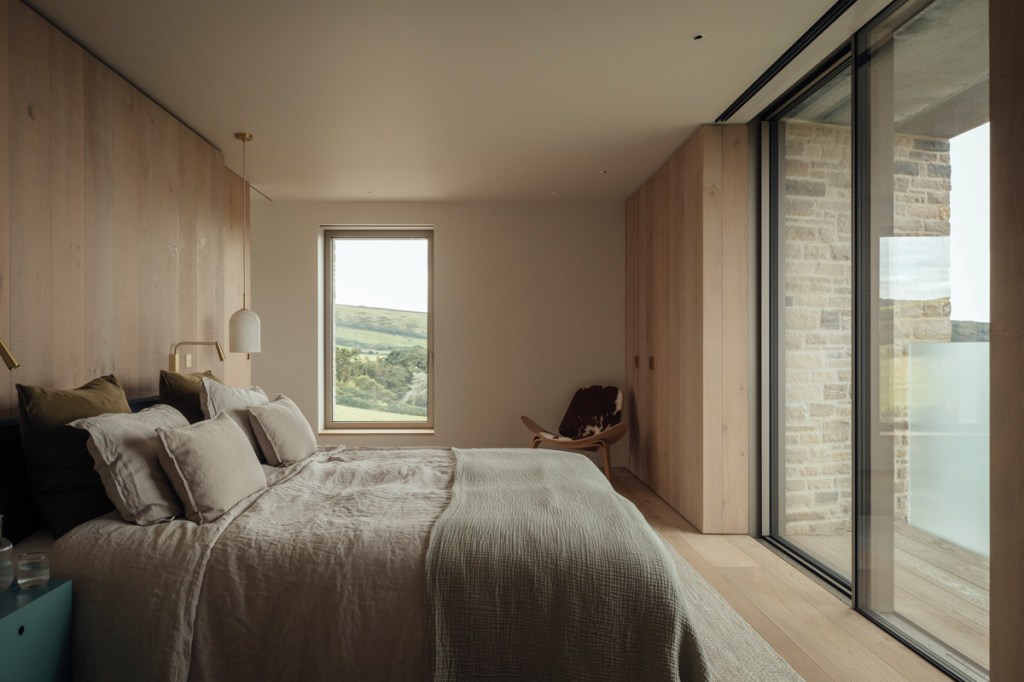
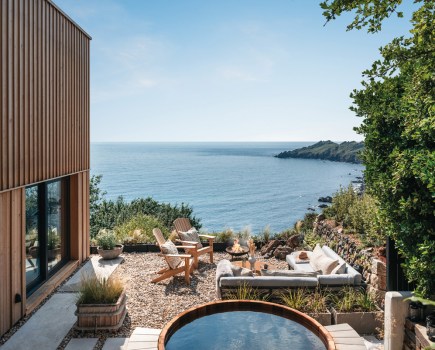
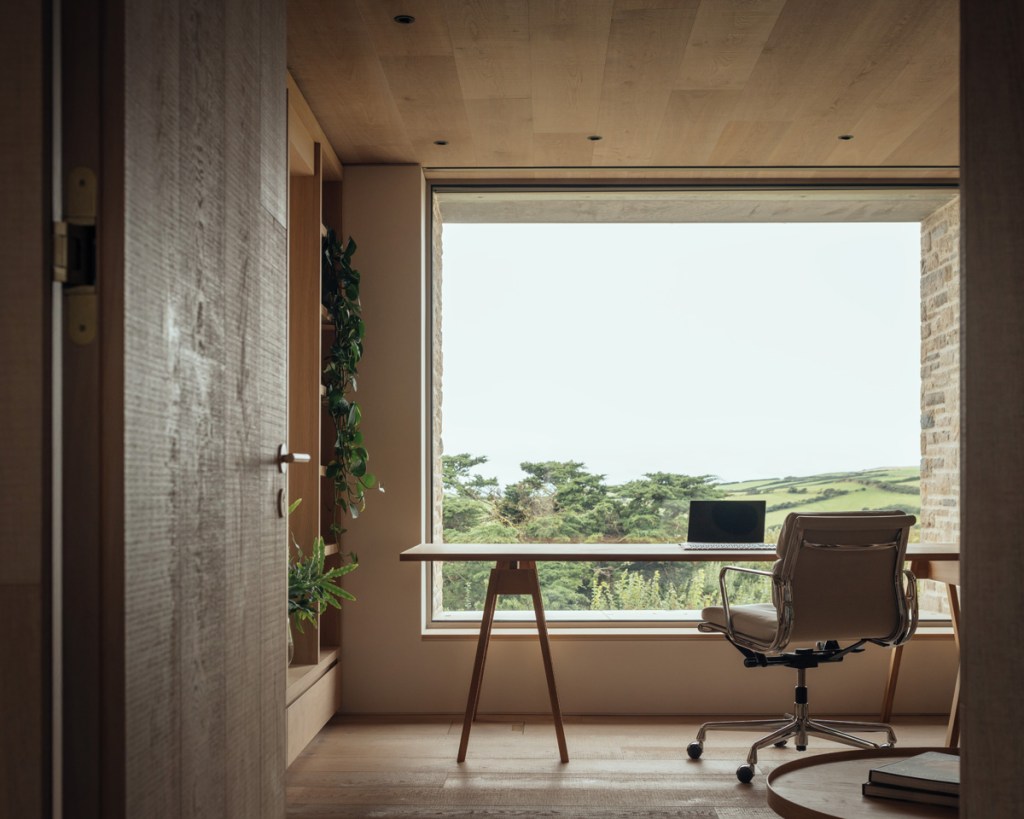
What was the property’s relation to the sea and how did you make the most of this? Though the house isn’t beachfront, its elevated position gives it a commanding view of the bay. We designed the plan to curve subtly with the coastline and orient the key living spaces toward that view. The upper-floor living area has large, floor-to-ceiling windows that provide the sea views. The steep site was challenging – we had to work with the gradient rather than against it. That led to the multi-level, almost cascading form of the house.
What were the requirements of the owner – did they have any particular requests in relation to the sea? They were very connected to the location and wanted to create something that felt peaceful, elemental and of the place. They wanted it to feel like it belonged to the land. And they were deeply invested in sustainability from the start, which influenced everything from materials to energy systems.
Which eco elements did you include in the property? The house uses ‘Passivhaus’ principles, which means it’s designed to retain heat and minimise energy use. We’ve used high-performance insulation, airtight construction and MVHR – mechanical ventilation with heat recovery – to recycle warmth and improve indoor air quality. There’s also a ground source heat pump for heating and hot water and solar panels that are hidden within the roofline. The house has a green roof planted with native grasses which helps with insulation, supports biodiversity and also helps to hide the solar panels. The goal was a house that performs quietly and efficiently.
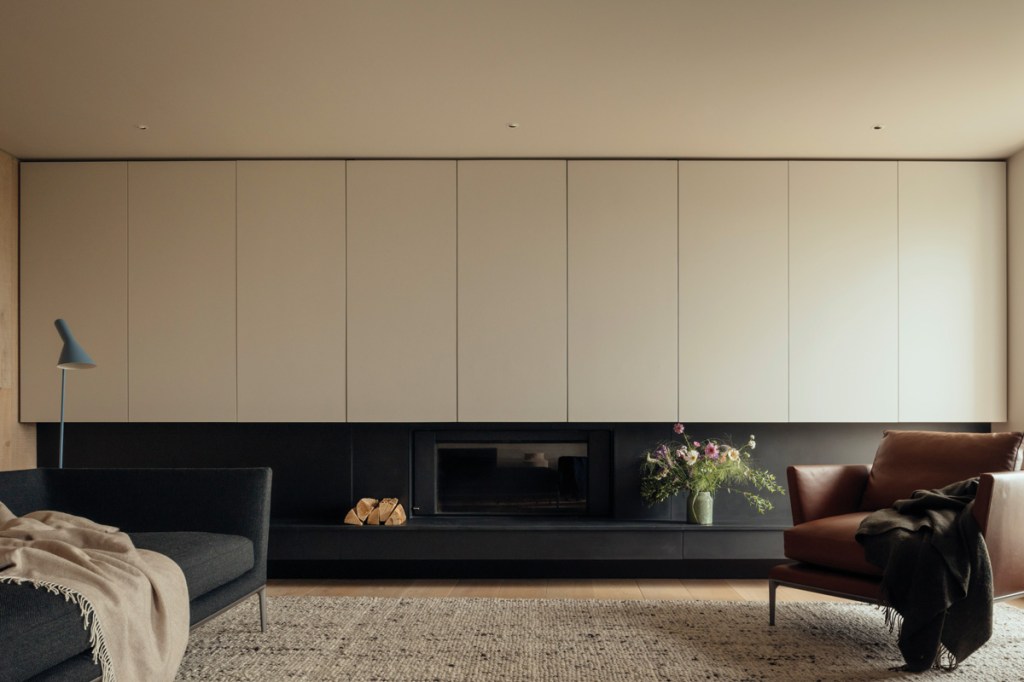
What were the style influences for the renovation, both internally and externally? The materials, the roofline, the planting – all reflect the local landscape. Internally, the influence was more about feeling than style. Think less coastal décor and more coastal spirit.
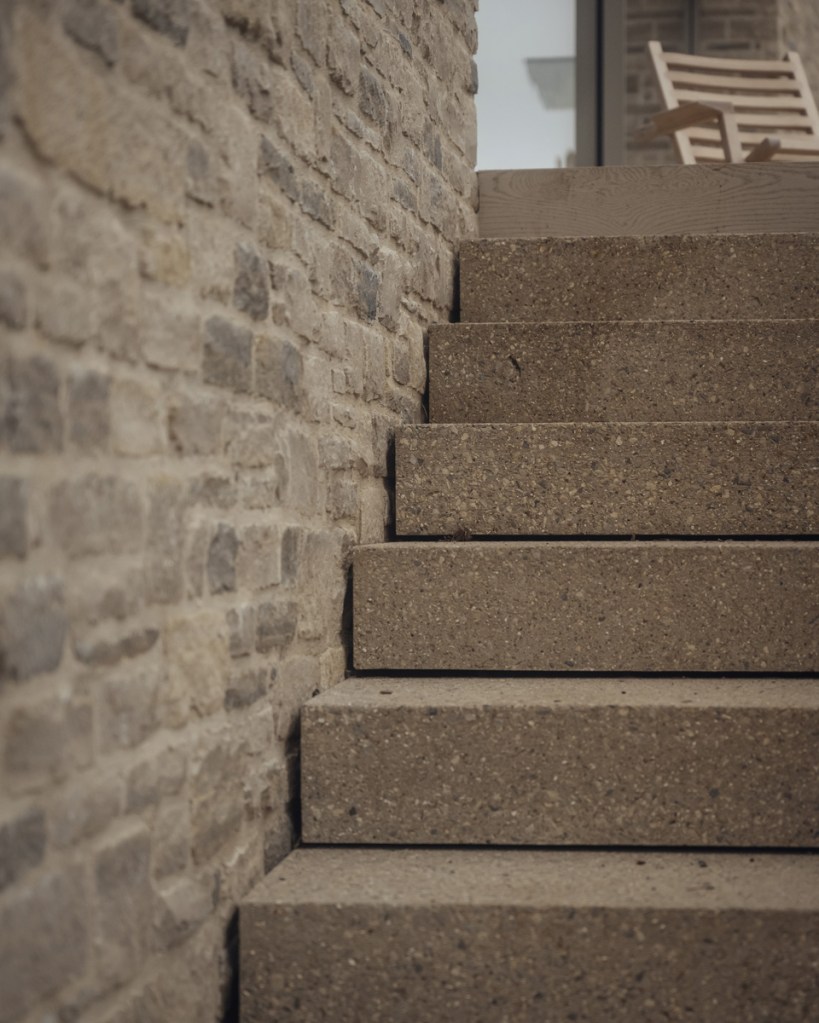
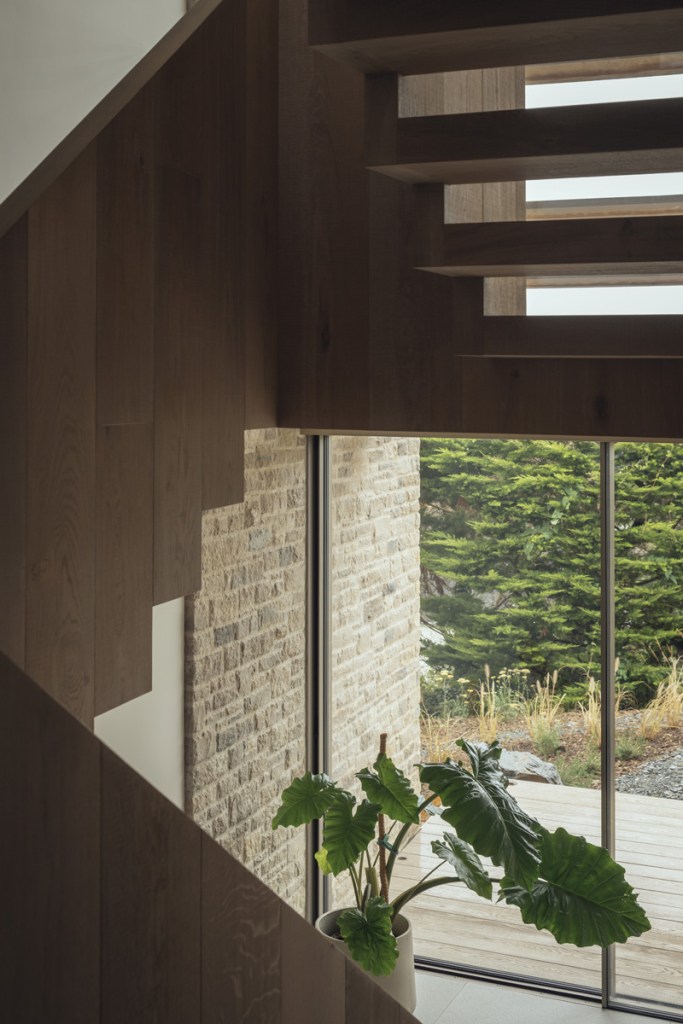
The exterior is clad in pale Purbeck stone from Dorset. We considered local Devon stone, but it was darker and heavier. The Purbeck has a sandy tone that echoes the surrounding dunes.
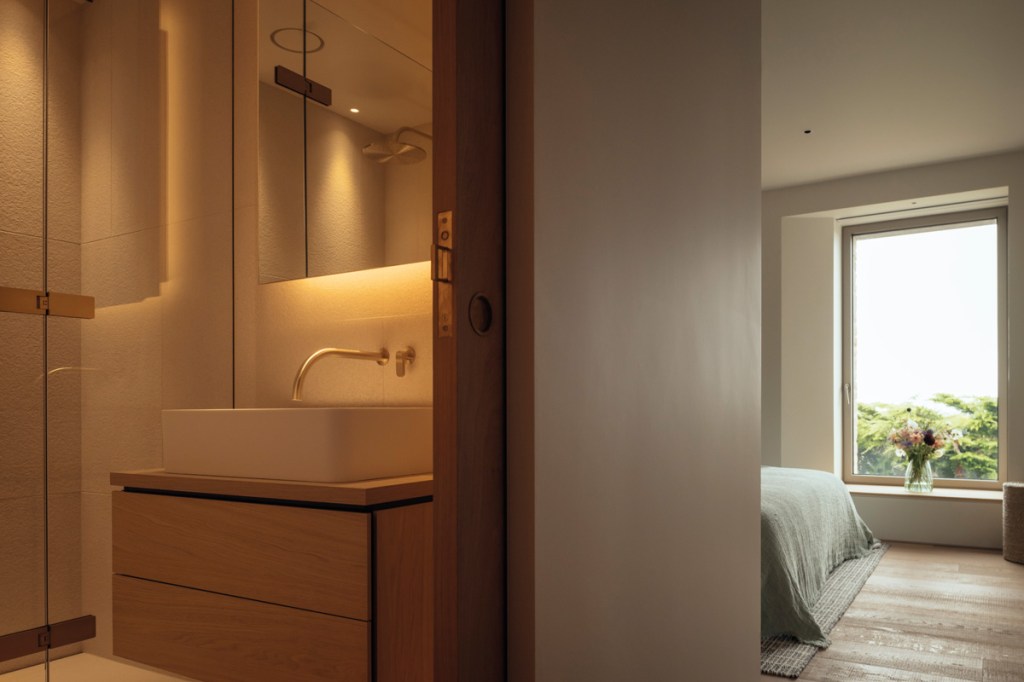
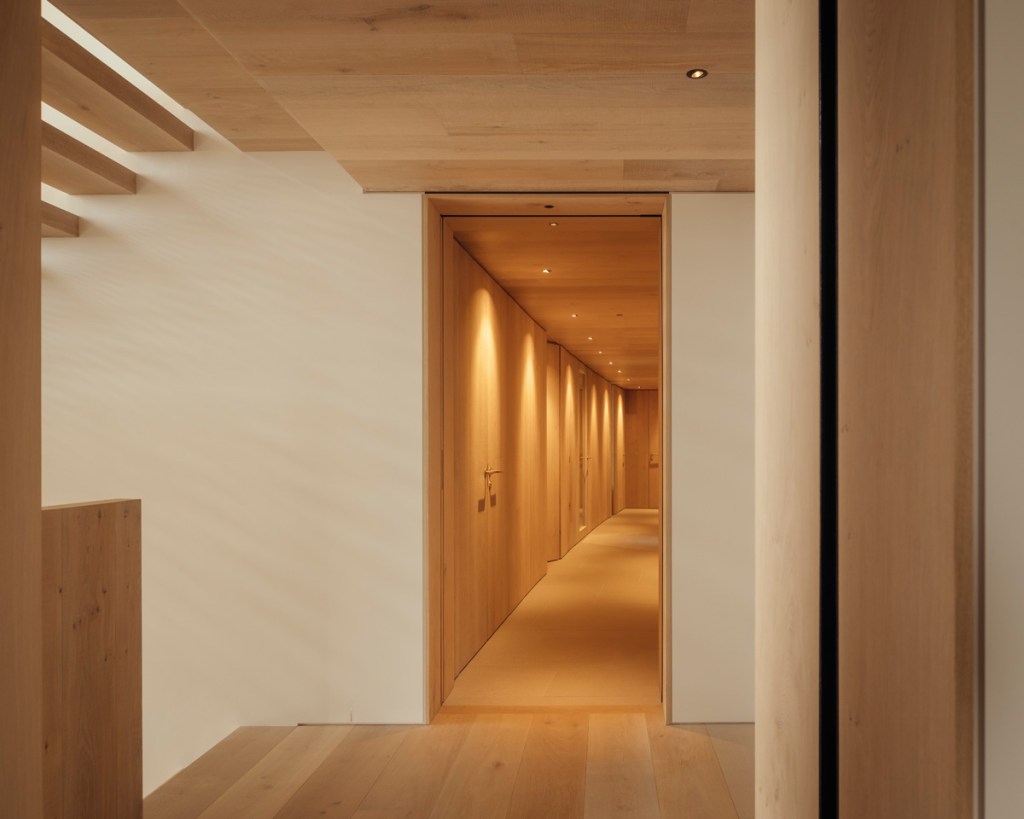
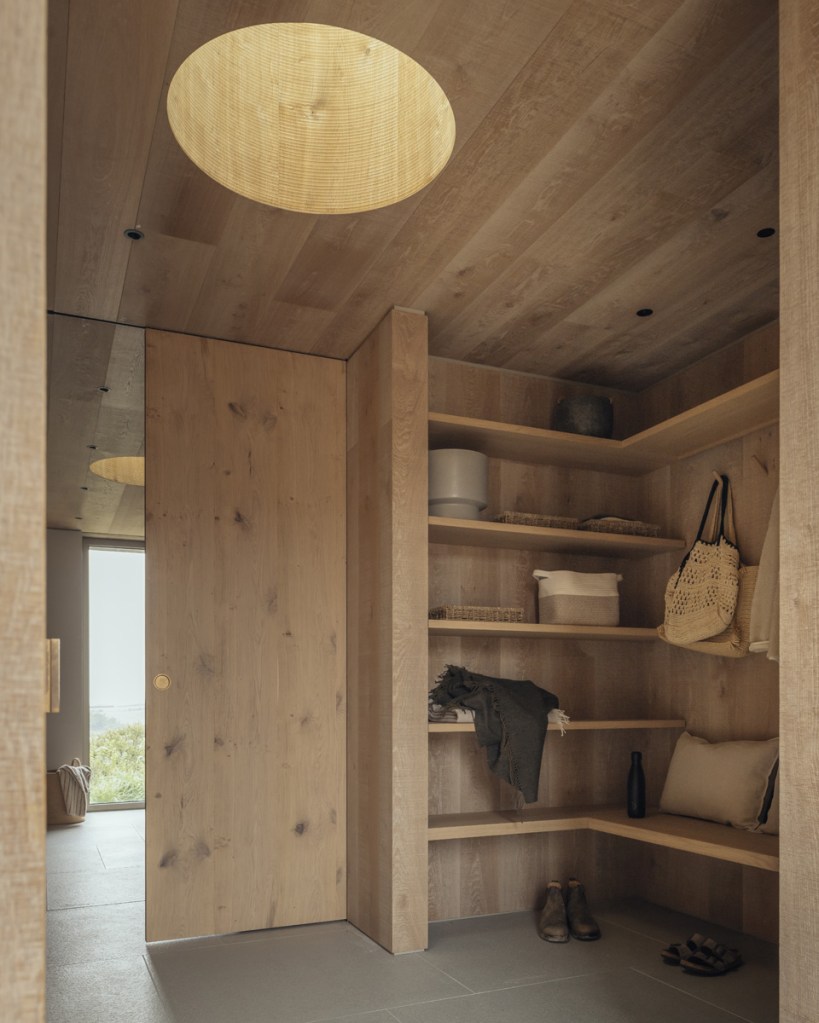
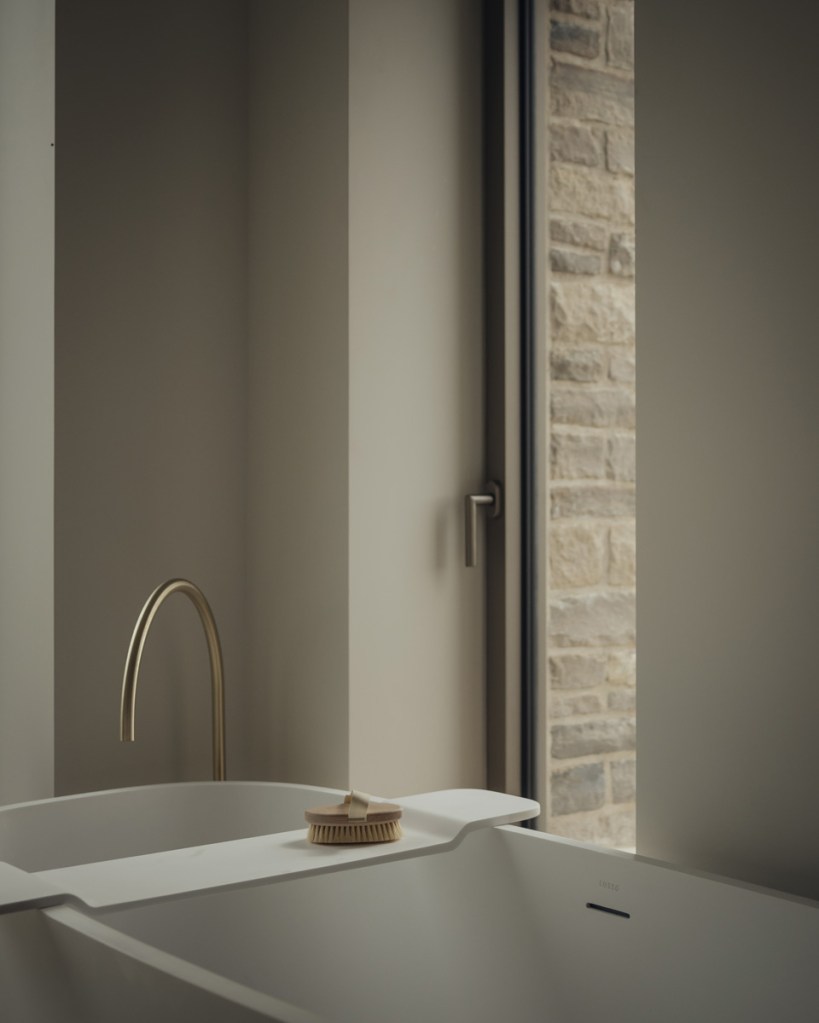
Inside, we used engineered oak flooring, sawn timber boards for the walls and clay plaster with brushed brass fittings. Everything is tactile and long-lasting.
What about the garden and external landscaping? We worked with Eden Design, a Devon-based firm. The idea was to reflect the wild beauty of the coastline. So we used curved paths, dark granite and native coastal grasses – nothing manicured or artificial. The garden plays a big part in softening the house’s visual impact and anchoring it in the landscape.
Did the owner feel you achieved what they needed to live their perfect life beside the sea? Yes, I believe so. Our clients now plan to live there full-time. That’s the greatest compliment you can get as an architect – when the building works so well, it becomes the dream.
For more information on the architects, visit mcleanquinlan.com.