
From laying foundations on shingle and tackling sand in sliding doors, to maximising sea views and a sense of home, architect Derek Rankin talks about the challenges and triumphs of creating a beach bolthole.
Words – Susie Atkinson
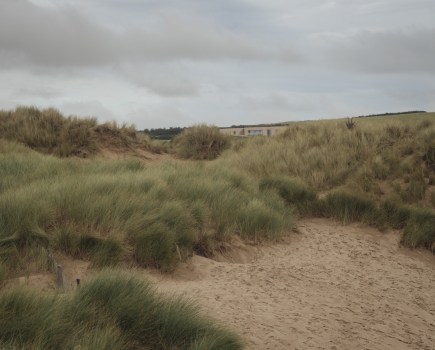
When Derek Rankin of RX Architects (RXA) first visited the tired 1970s bungalow perched on the shingle shore of Camber Sands, the salt-rusted doors wouldn’t open and the sea-facing potential was all but wasted. The owner – originally from Yorkshire – had fond memories of childhood holidays on this stretch of the East Sussex coast and was determined to transform the run-down property into a practical, year-round base for her extended family. The brief was clear: to design a robust, well-insulated home that could withstand the elements, maximise the panoramic views and offer a mix of open entertaining spaces and quieter corners for privacy and retreat. The result is a contemporary, highly sustainable beach house that blends smart design with a strong sense of place.
Founded in 2016 by Derek and fellow architect Rob Pollard, RXA specialises in elegant, sustainable design – often in the sort of salty, wind-whipped locations that would make lesser practices wince.
When it comes to projects such as turning this windswept site at The Suttons into a warm, family-focused retreat, RXA’s work is about balance: bold yet sensitive, practical yet poetic. Derek himself lives on a nature reserve, in a converted Victorian railway carriage that’s as atmospheric as it sounds.
Their recently completed project showcases the firm’s thoughtful approach to materials, sustainability and making the most of those views. We caught up with Derek to talk about Roman bricks, geothermal boreholes and what really makes a great beach house.
Do you work on a lot of coastal properties, Derek?
Yes, pretty much all of our work is coastal – it’s what we love and what we’re known for. Our studio overlooks the River Rother in Rye, with Camber Sands just five minutes away. The area’s light, landscape and rhythms of tide and wind deeply shape how we design.
What are the specific challenges of working with coastal buildings?
Where do I start? Salt corrosion, sun bleaching, wind, sand in your sliding doors – you name it. We always design for longevity. That means hard-wearing materials like cedar and zinc, marine-grade coatings and a lot of thought around ventilation, shading and privacy. It has to be tough but beautiful. And foundations are a whole other story when you’re working on shingle.
Tell us about this Camber Sands property and its connection to the sea.
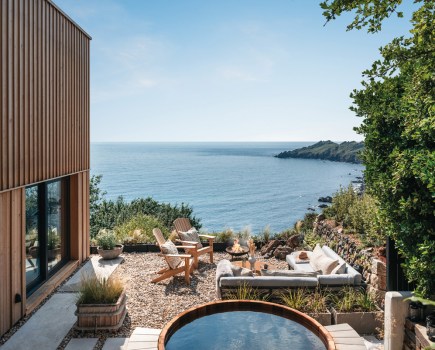
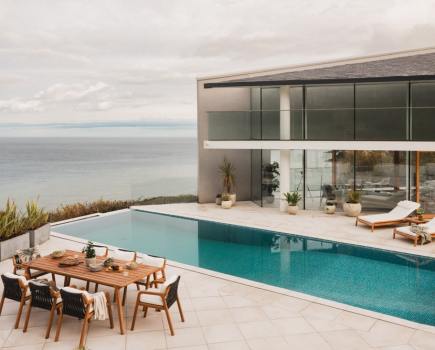
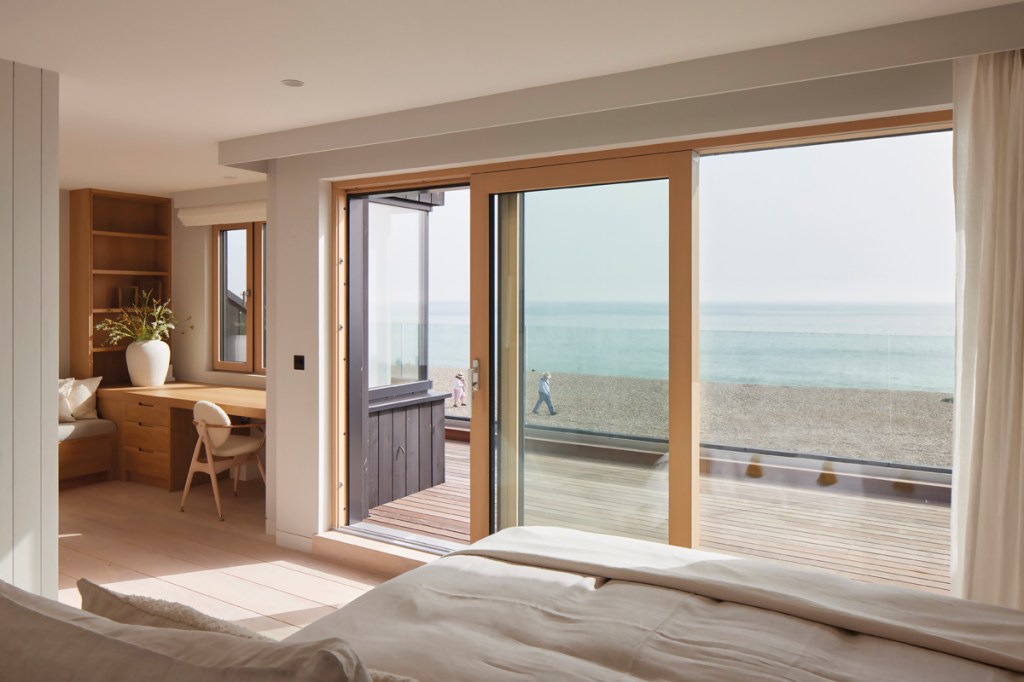
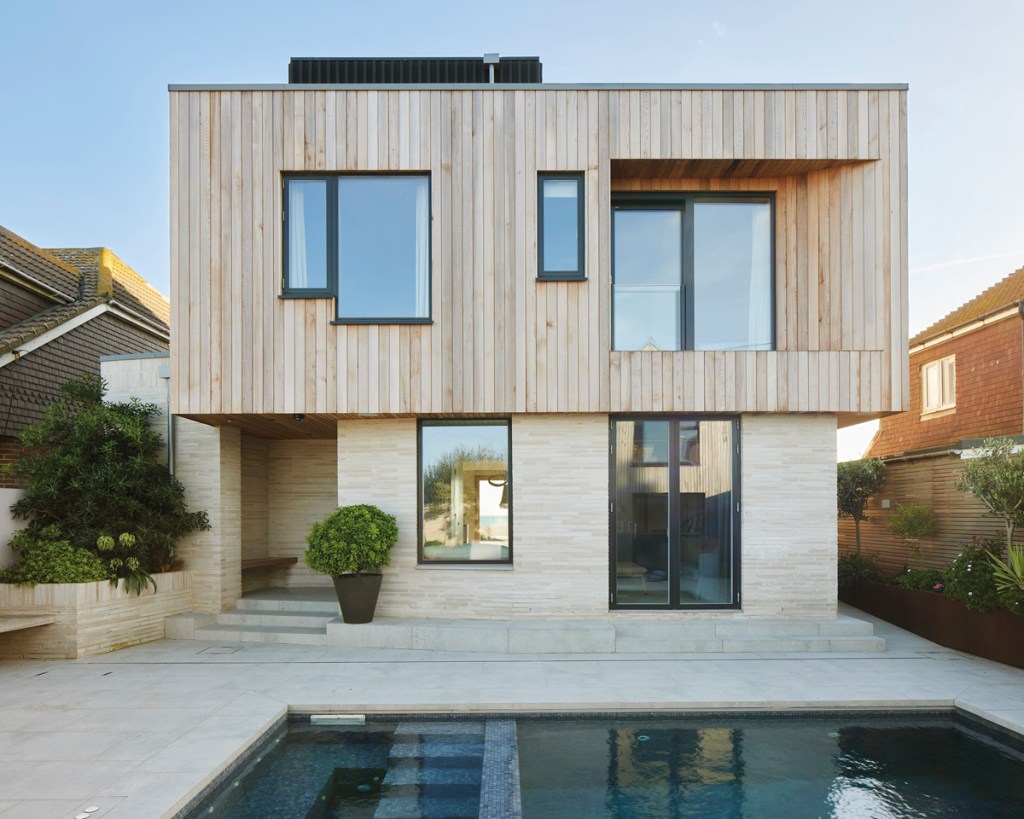
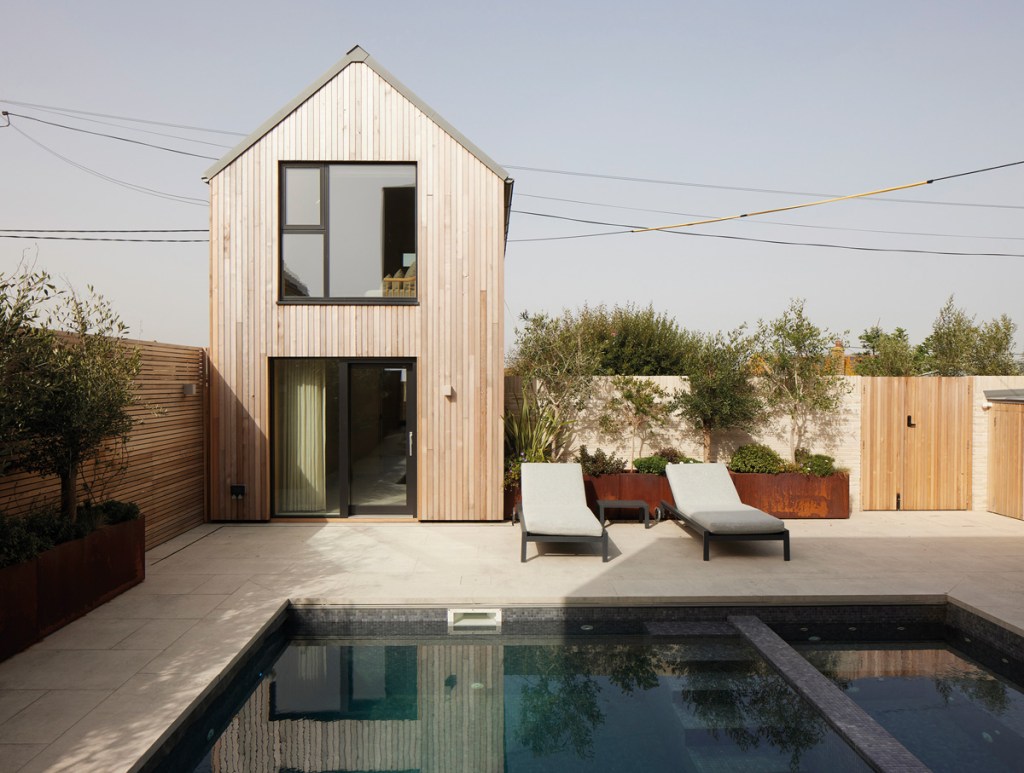
The house sits directly on the shingle beach, with panoramic views over Rye Bay. We wanted it to work all year round – cosy in winter, breezy in summer. We created a large deck facing the beach and a private courtyard at the back, with a plunge pool and a cedar-clad beach hut retreat.
How did you make the most of the site’s coastal location and views?
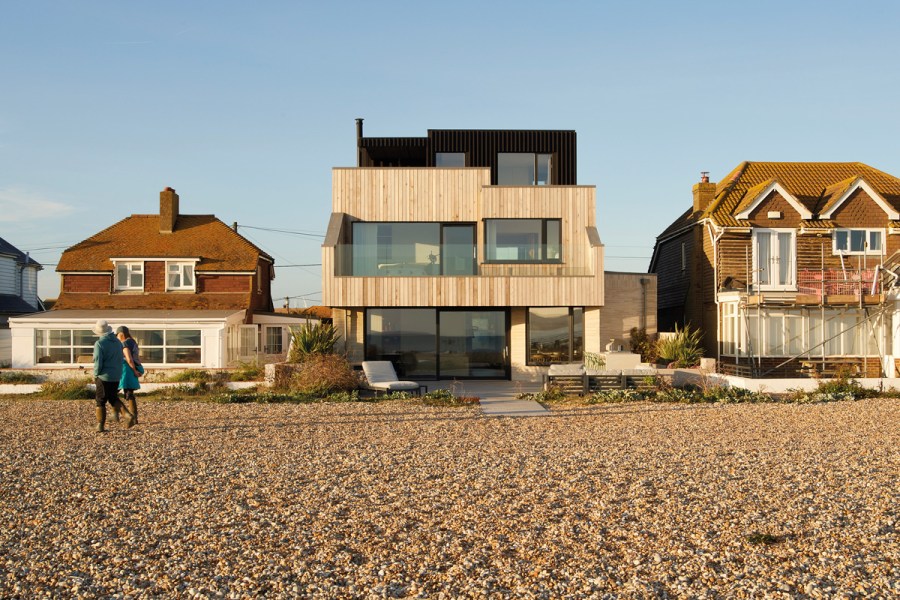
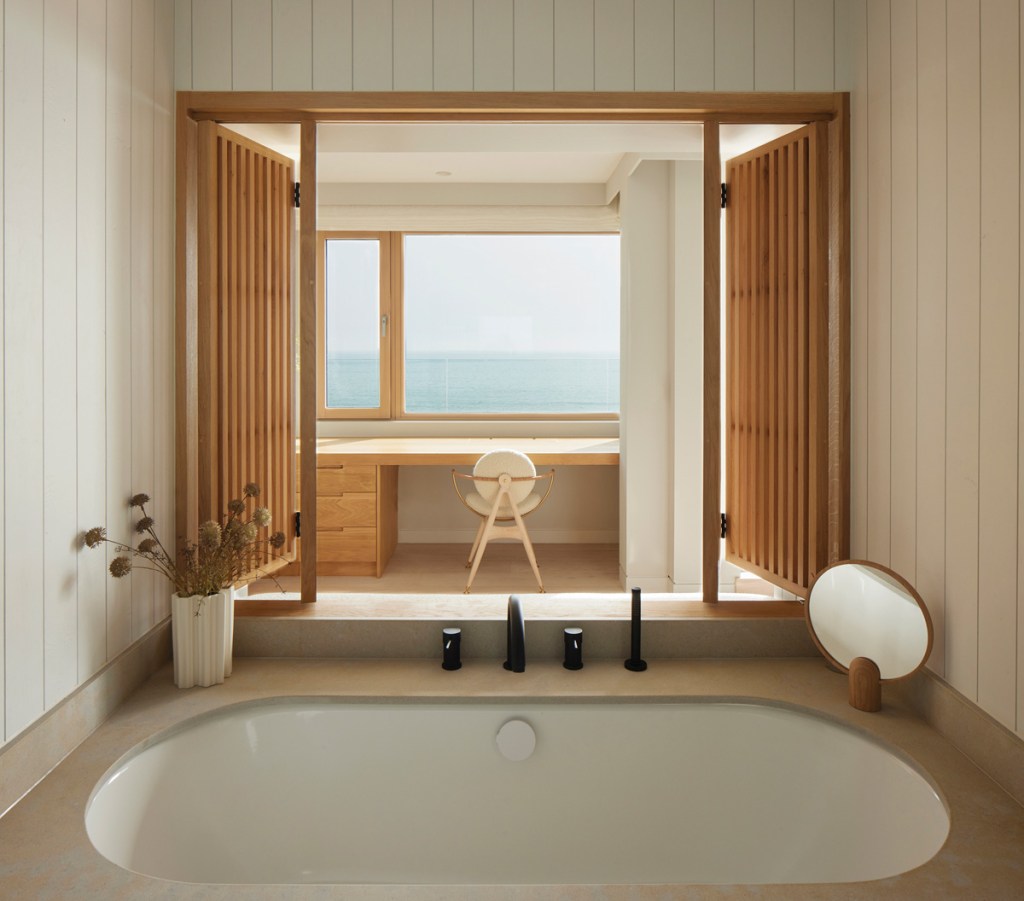
Rather than maxing out the glass and losing liveability, we played with angles and elevations. A stepped-back design gives each floor privacy and softens the impact on the beach. Inside, there are carefully framed views – out to the cliffs at Pett Level and across to Romney Marsh and its sculptural wind turbines. Even the first-floor study has a space where the kids can play while mum works, looking out over the sea.
What materials did you use – and why?
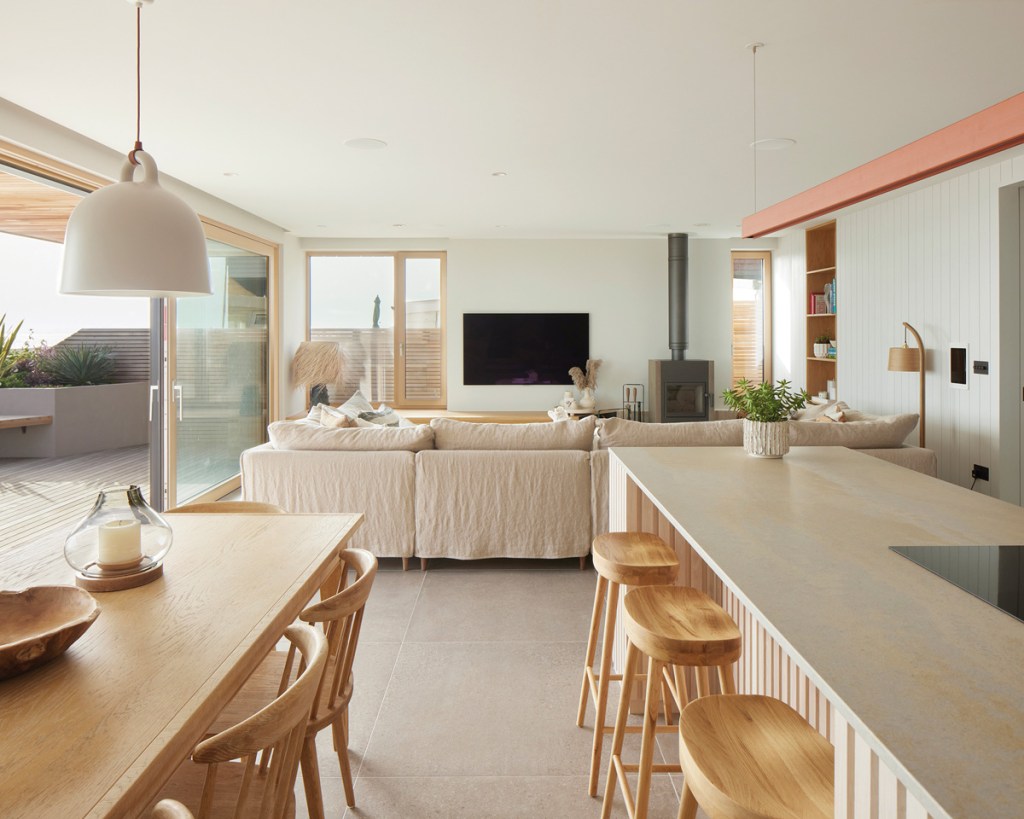
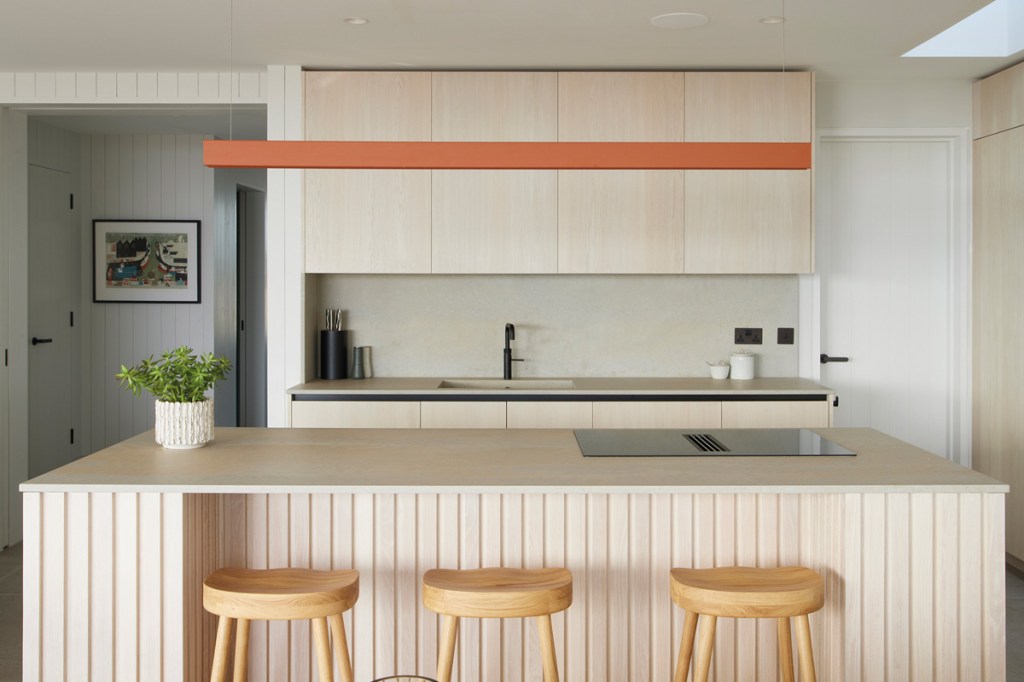
We chose natural materials that patina beautifully over time. The base is thick Roman brick – long, pale, putty-coloured bricks that bounce light around and offer great thermal mass. The upper levels are timber-framed, with Canadian cedar cladding and Swedish Falu paint on the top floor – a breathable, durable finish traditionally used on coastal huts. Inside, it’s all about texture: limewashed ash, porcelain tiles, whitewashed timber walls.
How eco-friendly is the property?
Very! It runs off two 90-metre boreholes that harness geothermal energy to heat the house and the plunge pool. There are PV panels, a mechanical heat recovery system and all the cladding materials have low embodied energy. We don’t just aim to meet sustainability standards – we try to exceed them in a way that fits seamlessly into the coastal landscape.
What style influences fed into the design?
It’s coastal modern with a twist. The courtyard has a hint of Moroccan riad – a private oasis sheltered from the wild beach winds. There’s a tactile minimalism throughout, softened by the warmth and family vibe. Interior designer Liz Jeanes did a brilliant job layering natural fabrics, organic textures and the odd vintage piece. It feels like a home, not a showpiece.
What were the biggest challenges?
Midway through construction, the owner decided to add a whole new floor. Luckily, we’d designed the foundations robustly enough to support it. The other big one was ensuring the building could withstand salt and wind long-term. You have to design with weather in mind, especially at the beach.
How does the house fit into the surrounding landscape?
It’s unapologetically modern but sympathetic. The materials echo the natural palette of the beach and the silhouette of the building steps gently up from the shingle. It doesn’t dominate the view – it belongs in it. You feel like you’re part of the coast, not just observing it.
Did the client feel you’d achieved her vision? The owner loves it. The first time she returned after a long time away, she said, ‘It just feels like home.’ For me, that’s everything.
For more information on RX Architects – a B Corp-certified, RIBA Award-winning practice – visit rxarchitects.com.