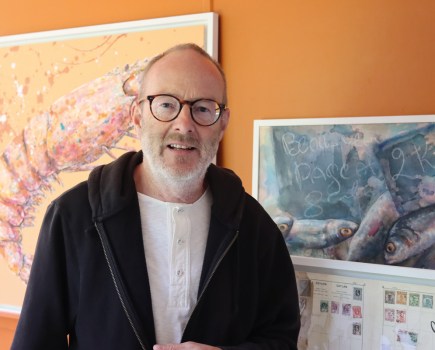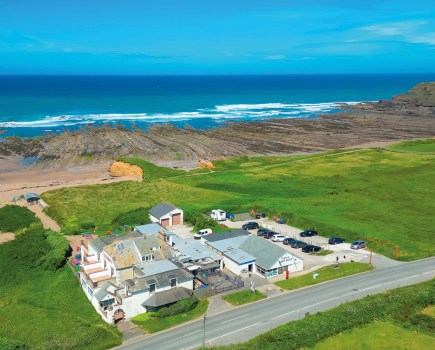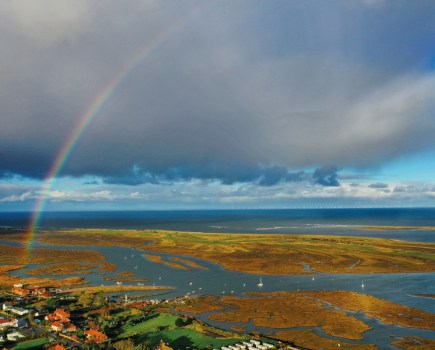

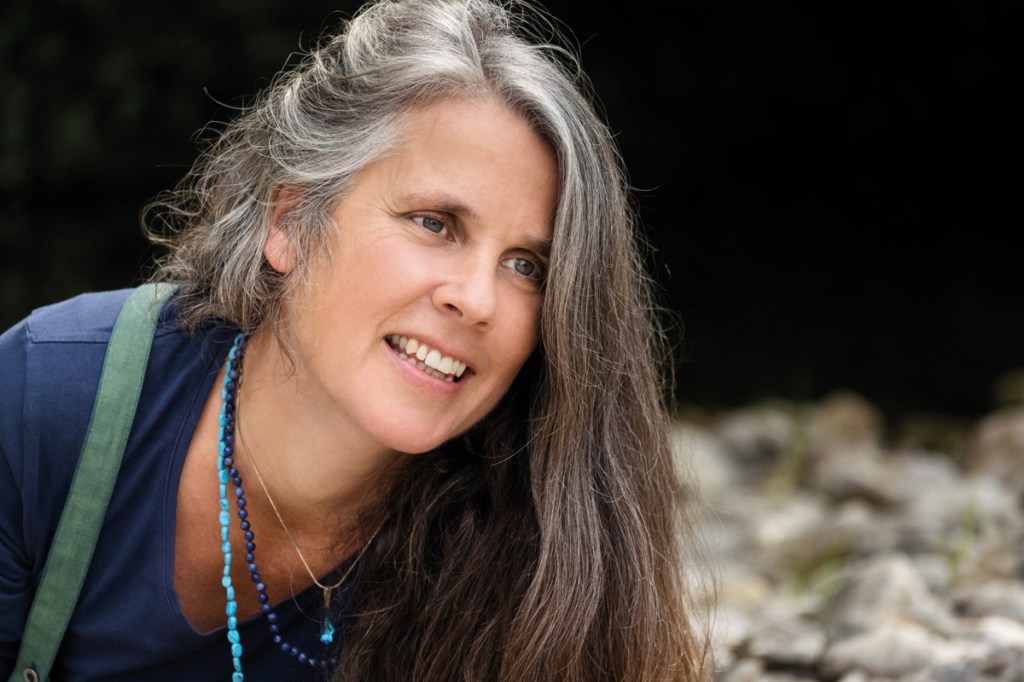
Award-winning author and island dweller Victoria Bennett tells us about her move to South Ronaldsay in Orkney and how life on a small Scottish isle has inspired her new book
WORDS VICTORIA BENNETT | PHOTOGRAPHY ANNABEL WILLIAMS, ADAM CLARKE, VICTORIA BENNETT
I live in Orkney, an archipelago off the northernmost coast of Scotland. It consists of around 70 islands, 20 of which are inhabited, and has approximately 570 miles of coastline. I live on the southernmost island, South Ronaldsay, in the village of St Margaret’s Hope, locally known as The Hup or The Hope.
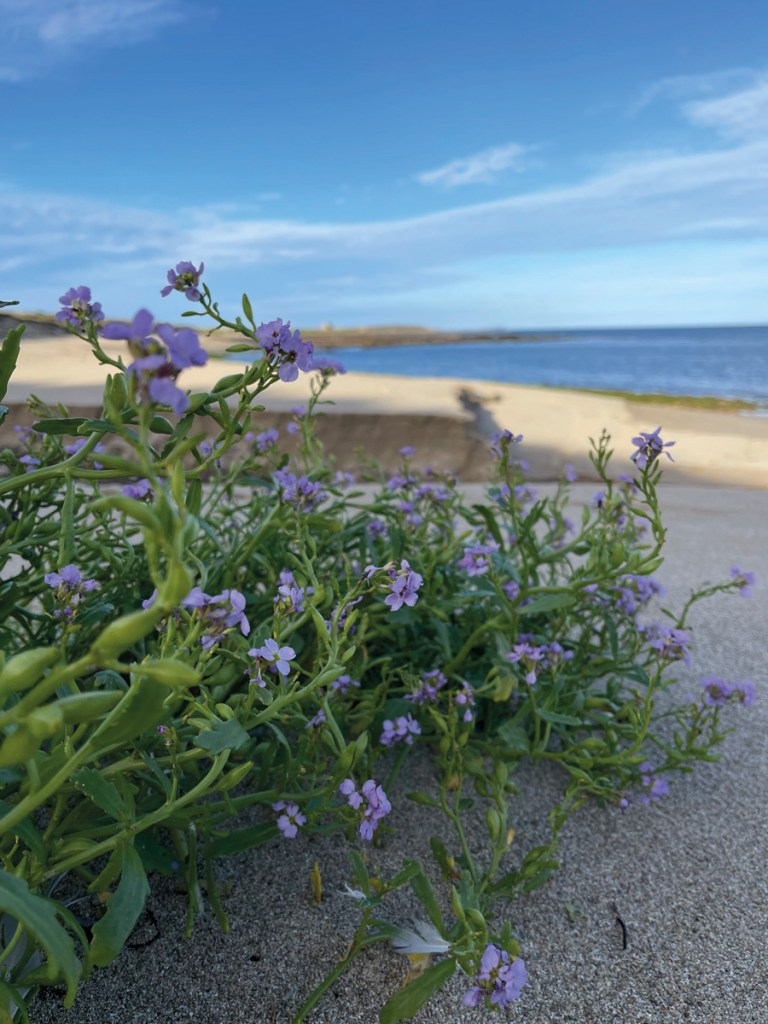
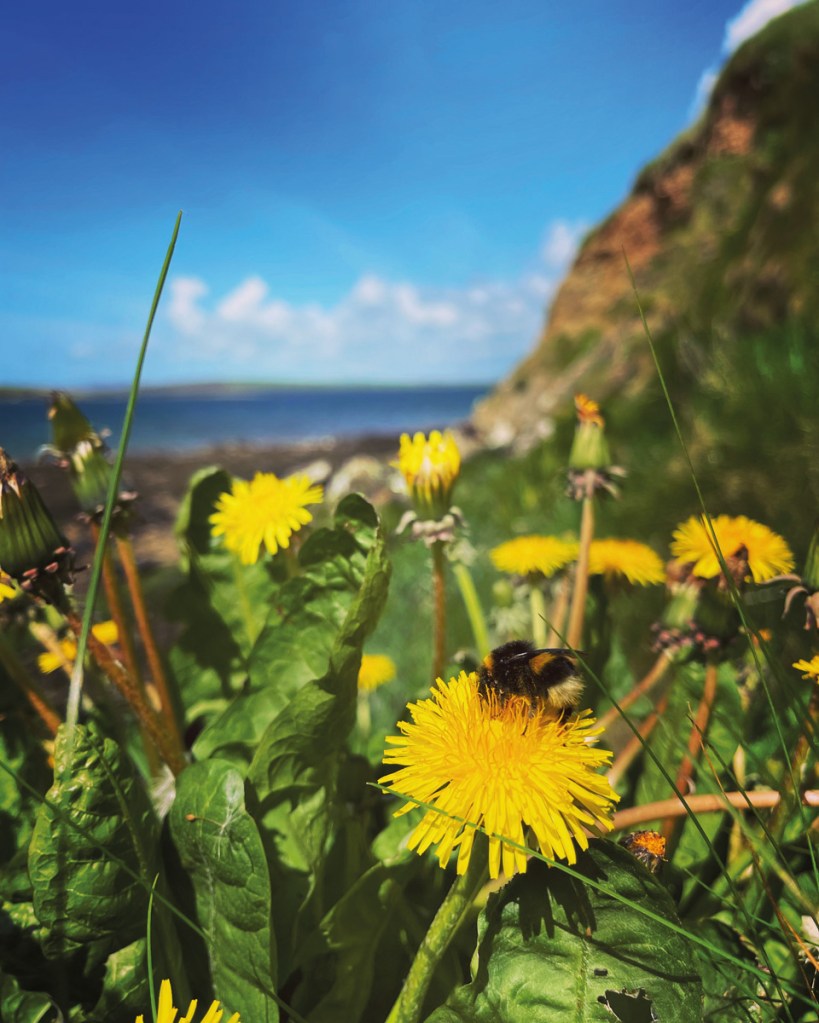
My family and I moved here from a housing project in Cumbria in November 2022 – and it is where we bought our first home. When I first fell in love with Orkney, it was through stories, art and history – there is such a depth of creativity and history embedded into the landscape that is just so appealing to me as a storyteller. Mostly, it is the light – the way sea and sky surround you. In summer, when the sun barely sets, we get intense night skies of purple and rose, or turquoise and gold.
In winter, even though the daylight hours are short, on a calm day, it feels like everything is doused in silver. It is immersive, especially when I am swimming in the sea. The water is so clear and, at times, so still that it feels as though l am absorbed by the light. On a still day, you can’t really see where sea and sky end. Every day, I am reminded that this world is beautiful and fragile -and incredibly powerful. It humbles me, but also reminds me l am part of that too.
Each of Orkney’s islands has a different character. In fact, each of Orkney’s beaches has a different character. Our bay in the village is rocky. Hup (the Orcadian name for The Hope) is derived from an Old Norse word meaning “shallow bay”. This is why it was such a thriving village at the height of the herring trade, but this characteristic also means that we don’t get the same tidal shifting or sands that arrive with the crashing waves.
If I head over the hill to the other side, I will reach the Sands of Wright, which, as the name suggests, is a long, sandy bay with a softly sloping dune bank. Rackwick Bay, on Hoy, is known for its large, rounded sandstone rocks that catch the setting sun and seem alight. Another island, Egilsay, has the most glorious white sand beach and clear, turquoise sea. Yet, elsewhere, the land falls away into sheer cliffs, hundreds of feet high, where the waves crash against the rock in thundering booms. There is so much to explore, so much to discover here. I could spend years just exploring my small island of South Ronaldsay and never get bored!
INSPIRED TO WRITE
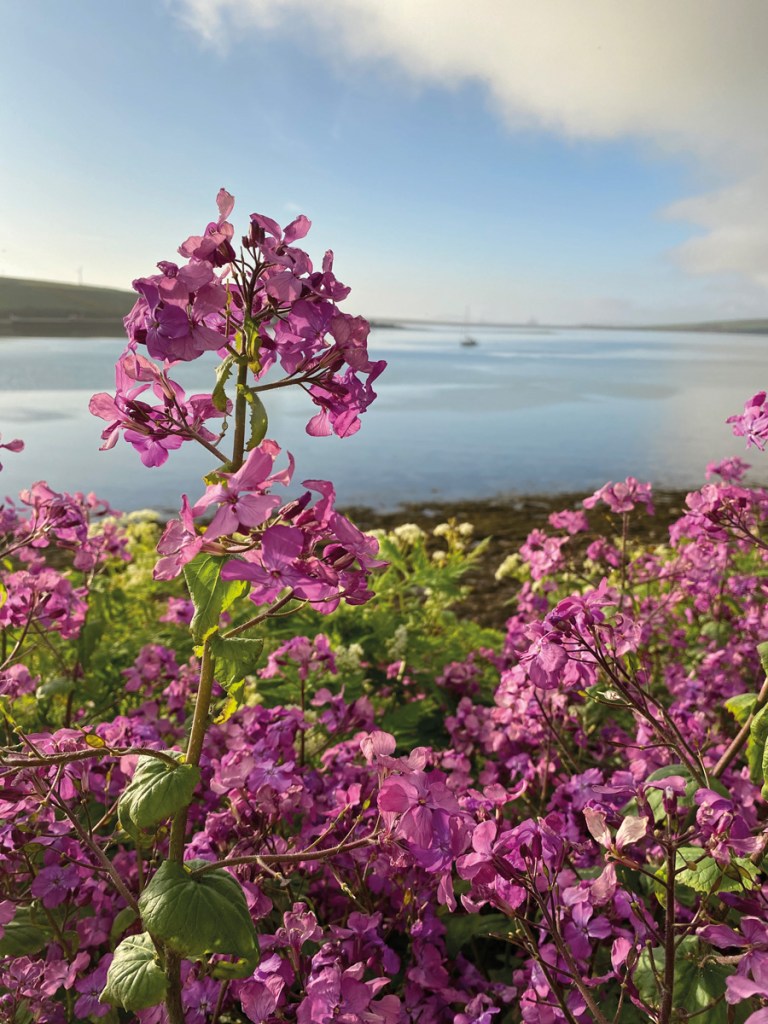
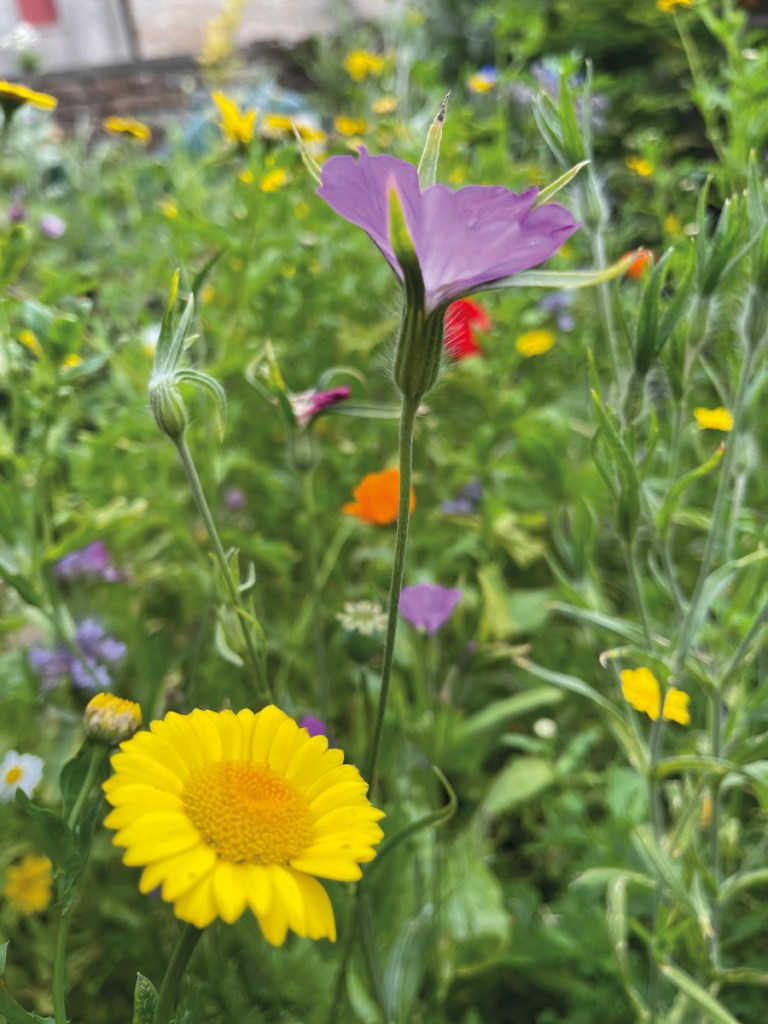
My new book, The Apothecary by the Sea: A Year in an Orkney Garden, begins with the move here, and follows our first year on Orkney as I find myself in the coastal landscape and the sea and set about growing an apothecary garden where I now live. Weaving together my story alongside informal garden guides, plantlore, herbal wisdom and apothecary recipes that I make, it is an invitation into this amazing place as I experience it through change and rediscovery. The book is illustrated by my husband, so in it, there is a real sense of our walks as a family, what we notice, our home, the landscape we move within. This feels very special.
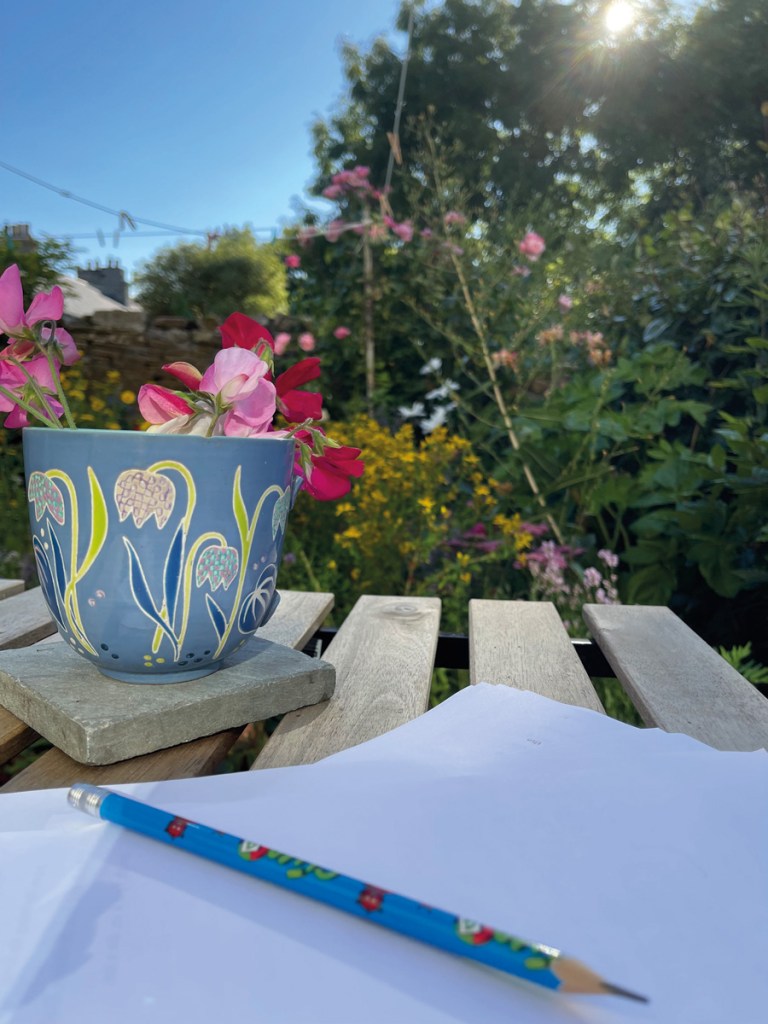
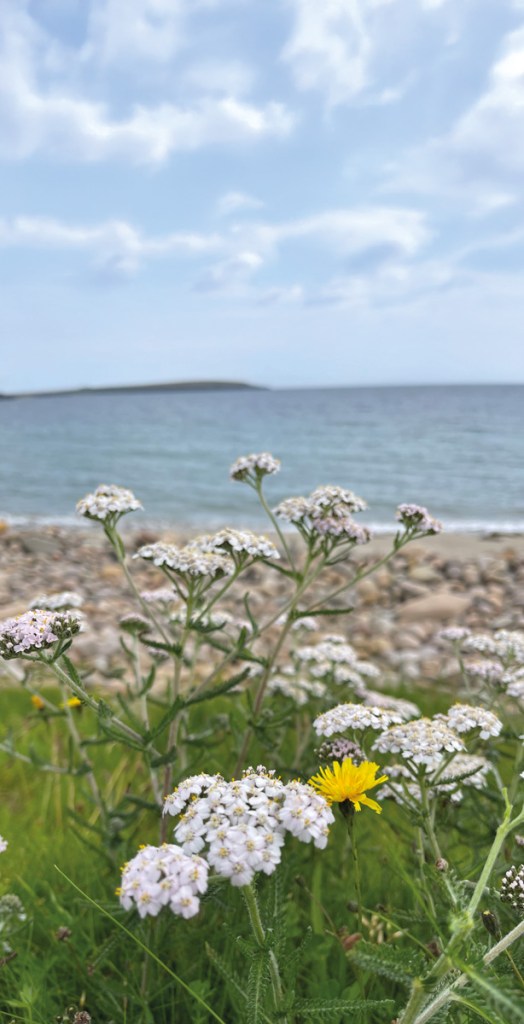
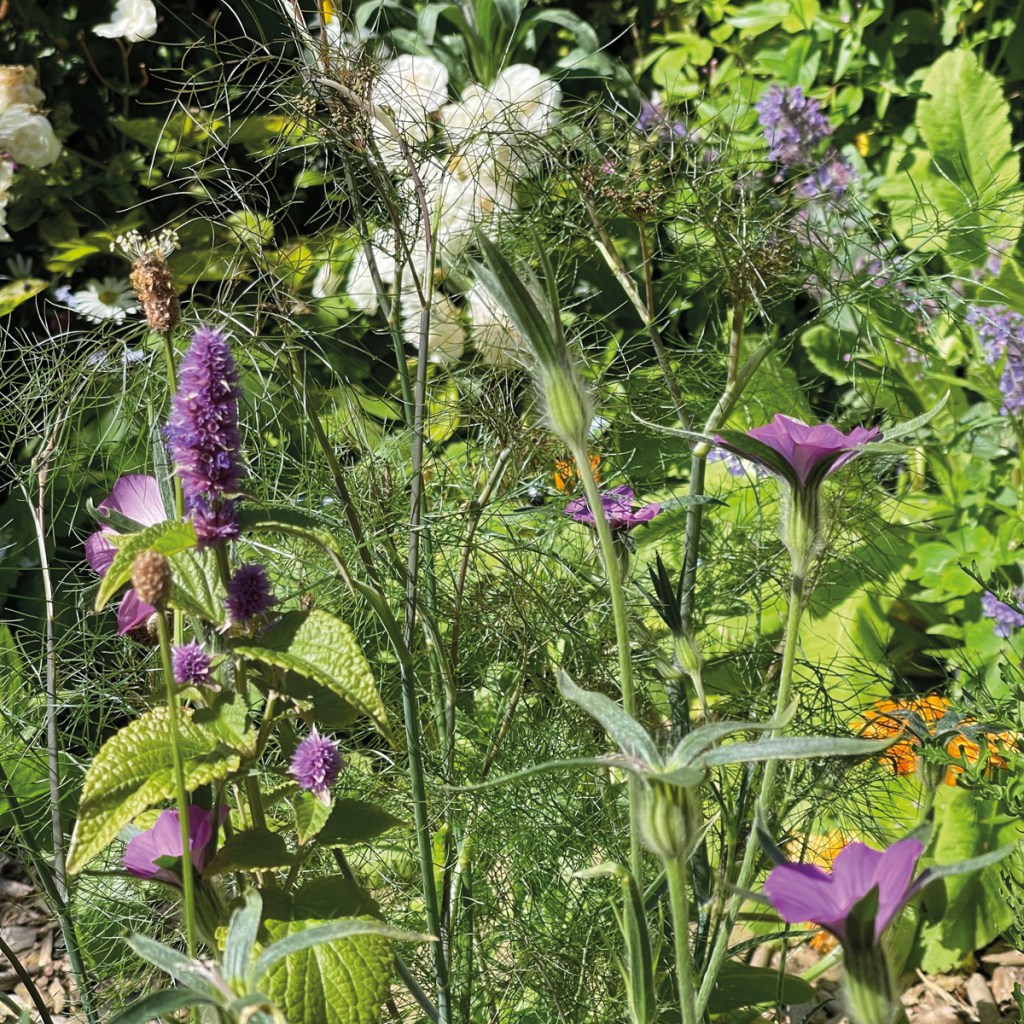
I am also in the early stages of developing The Orkney Apothecary, the northernmost apothecary garden — bringing together all the elements found in The Apothecary by the Sea, to share them with others in a wonderful way that ties together the wildness and beauty of Orkney with the healing and stories held in the plants that grow on its shores. It is very exciting but still in very early stages.
Right now, I am moving into a new work that looks more deeply into migration and belonging, and where our stories connect us. Although not directly linked to Orkney, it begins on another coast, St Bees on the west coast of Cumbria, which is a very different and industrial coastline and is where my father’s family line is from. I think living here has made me even more acutely aware of our interconnectedness, and how this body of water carries our stories with it. I think there is also something about looking out at the horizon line – the way that an island is both remote and connected and that despite the smallness of it, it is vast and outward-looking in a way that isn’t the same inland.
It struck me when I was writing The Apothecary by the Sea, that this point of motherhood, where my son is getting ready to leave, is like standing at the shore of an island and that in motherhood, we are always preparing to watch our children sail away from the safety of our shores, and can only trust that they will return. I mean, how many others have stood at shorelines and felt both this pull to leave and this ache at watching their loved ones go?
A PASSION FOR SEA SWIMMING
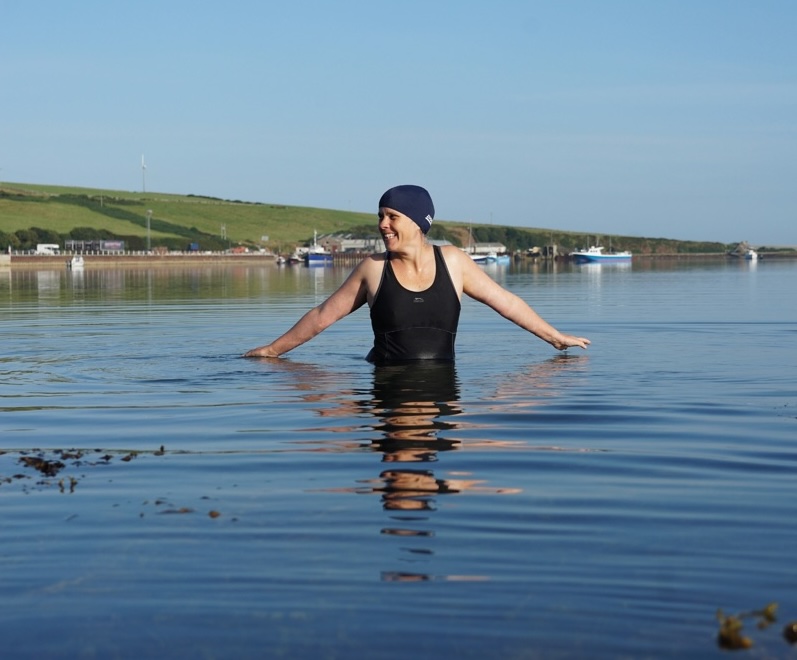
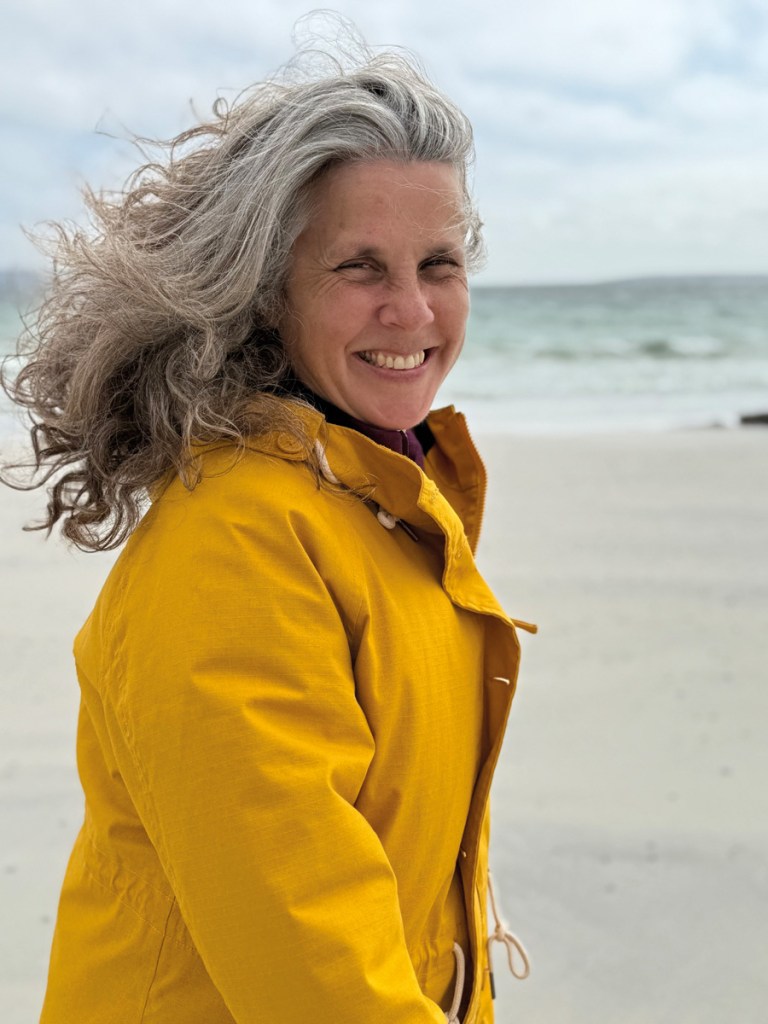
I took up sea swimming in the first year I moved here. It was very tentative at first, but now I try and go in every week, year-round, and absolutely love it. I swim alone and also with a local group, the South Ronaldsay Polar Bears. I’ve even managed to get my husband and son in on occasion. It is one of the most precious gifts of living here, to be able to go and swim at the end of my street, and it inspires me so much. I find that, as well as being deeply relaxing, it is also where I connect with my creative power. Being part of the sea, swimming with the migrating birds or the winter seals, it is magical and connects me with the elemental power of the oceans and the ways that this water connects us all, wherever we are.
I also like to beachcomb – I love to gather old bits of pottery and strange, washed up gifts that I find along the bay in my village. My favorite three so far is a tiny wooden boat, a piece of pottery from the First World War NAAFI canteen stock (probably from one of the naval bases locally), and a small teddy bear, which now sits on my desk and is called Rilke. It reminds me that we never know quite where our story will take us, or what shores we will find ourselves on.
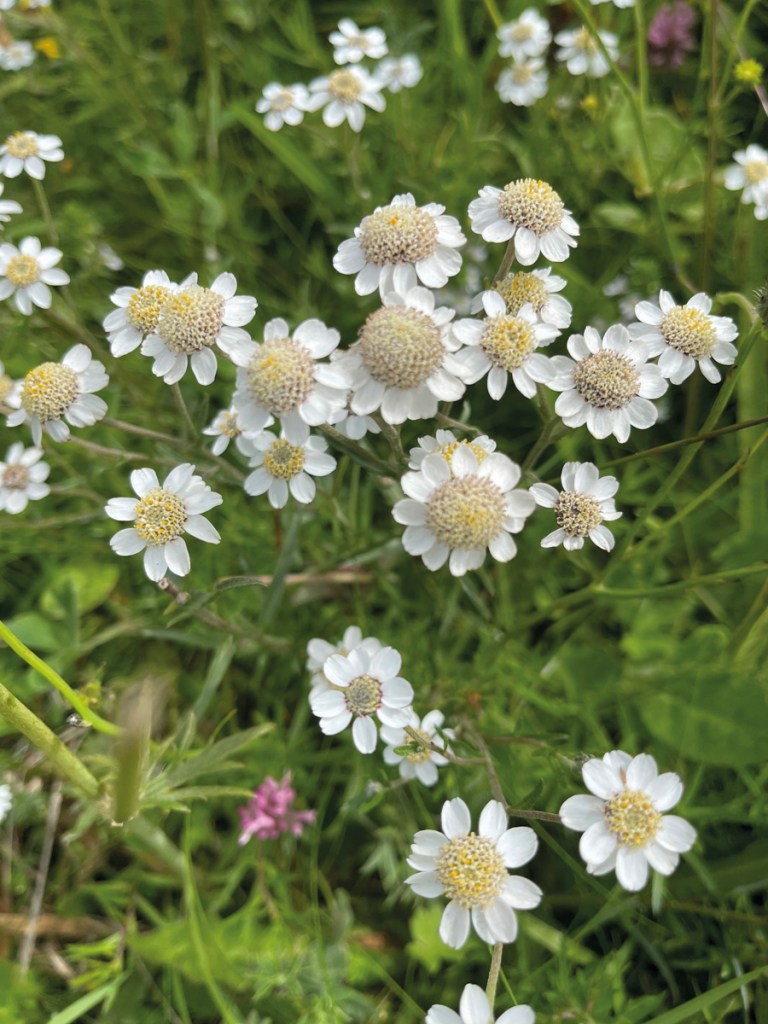
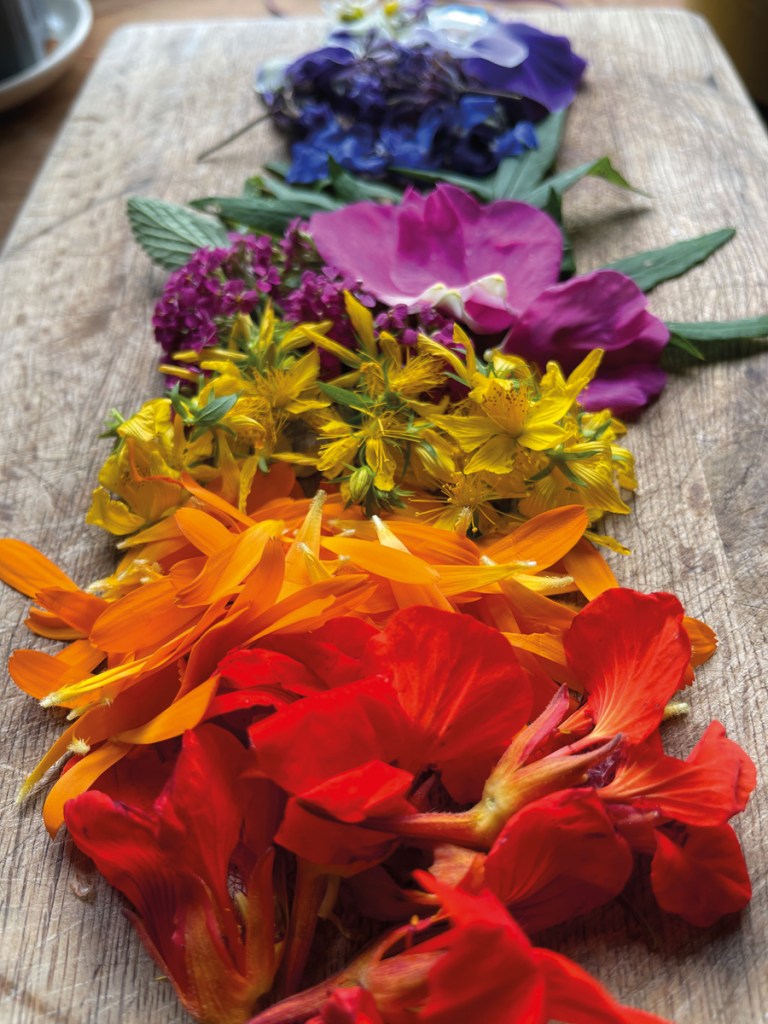
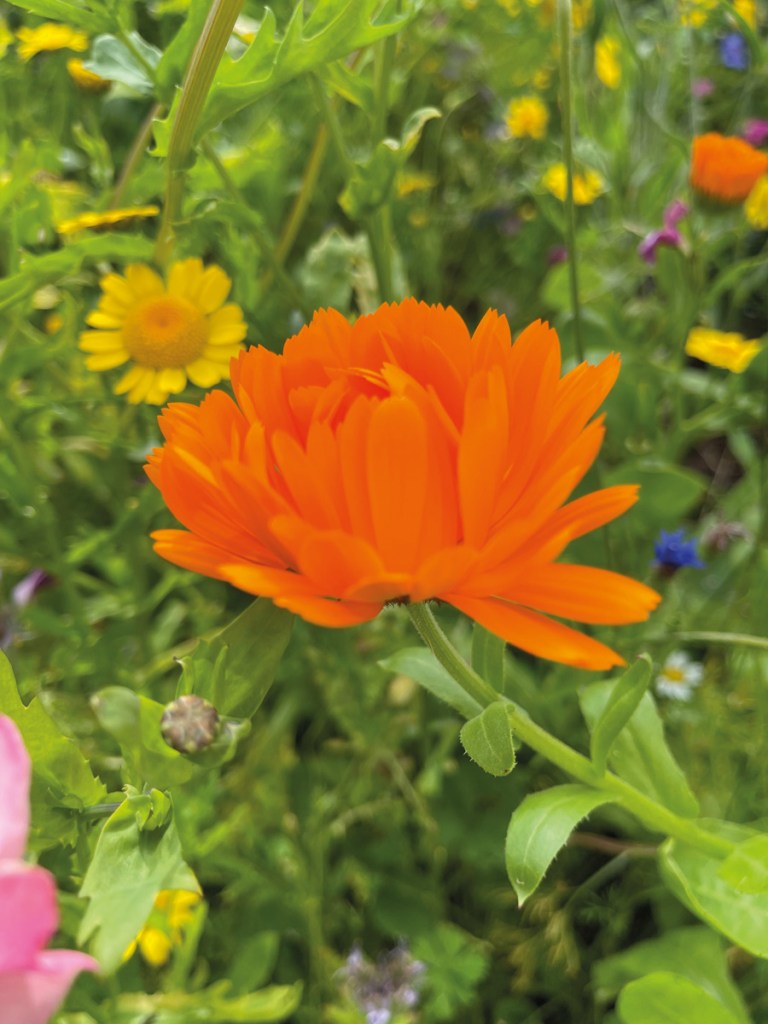
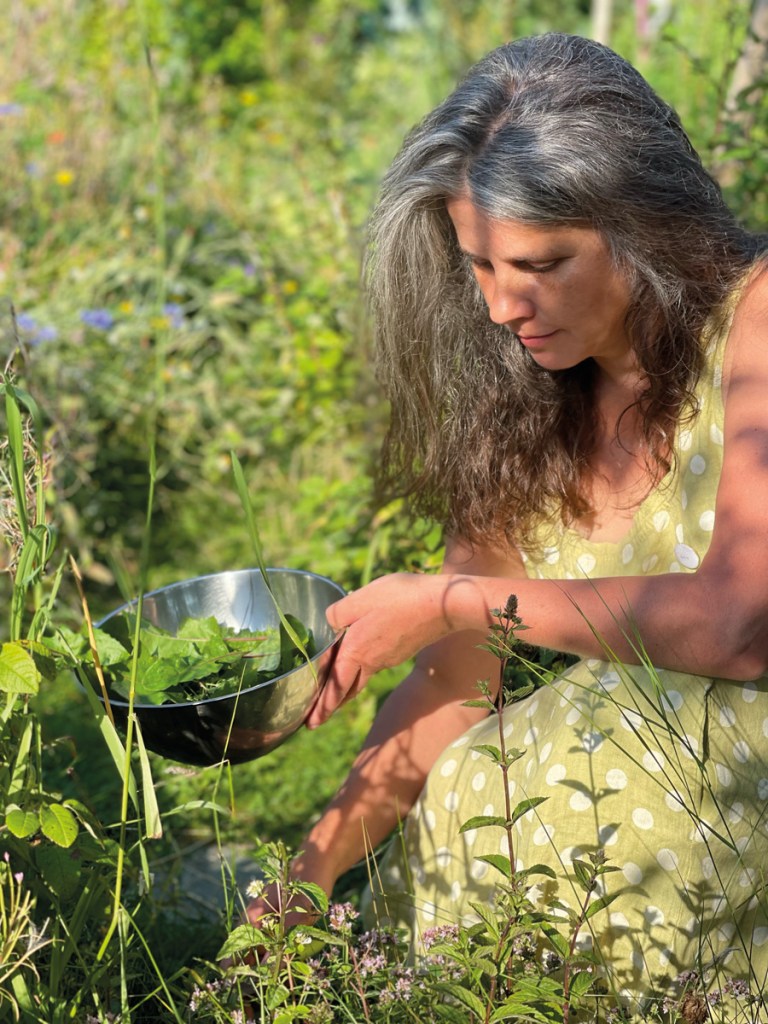
I do forage, though very limited and responsibly, as I feel strongly that nature is not some kind of supermarket for us to plunder. However, I love to walk slowly around the coastline here, to see how it changes through the year, what plants grow, which thrive here – finding out what I can about their stories and uses. Living by the sea brings a daily sense of wonder, and a deep connectedness with the different elements and energies that I am part of. I feel incredibly lucky to be here, to have this place of beauty and peace as my home.’
The Apothecary by the Sea: A Year in an Orkney Garden by Victoria Bennett (£16.99, Elliott & Thompson) is available now as a hardbook or ebook.