
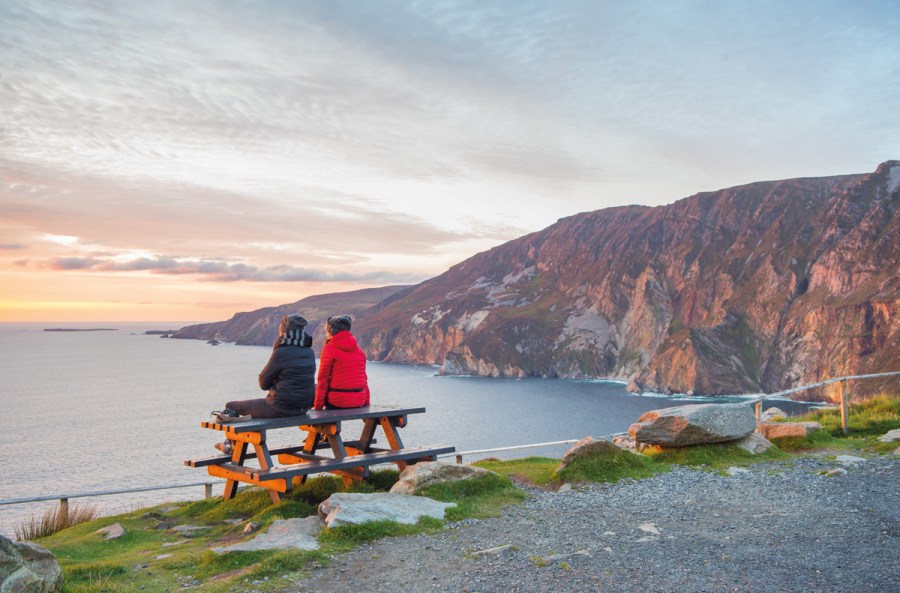
Alex Fisher spends a long weekend travelling along the northern coastline of the Island of Ireland, connecting the Causeway Coast to the Wild Atlantic Way
The Wild Atlantic Way was launched in 2014 as the world’s longest defined coastal touring route, extending for 2,500km along Ireland’s west coast. It has become one of Ireland’s greatest tourism successes, attracting millions of visitors each year from all over the world and generating billions of euros for local communities. Breathtaking scenery, marked discovery points and cultural stops have made it a bucket-list adventure for travellers worldwide.
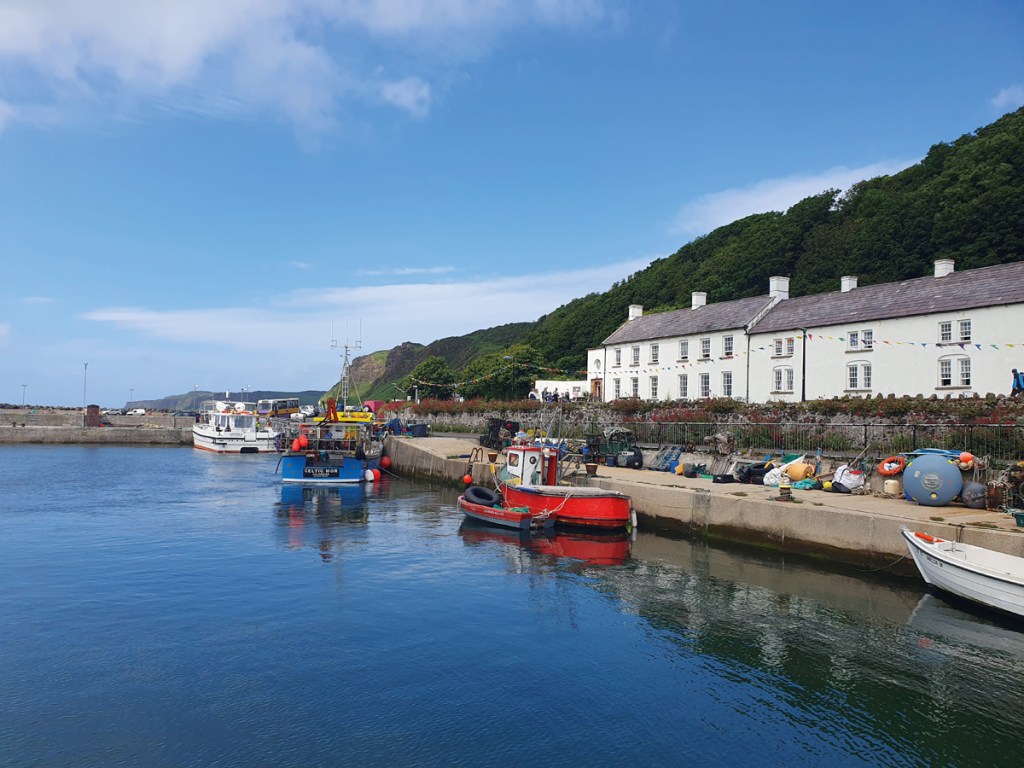
However, visitors who travel only along the Wild Atlantic Way miss out on what lies just beyond the border. The Causeway Coastal Route in Northern Ireland extends from the end of the Wild Atlantic Way to Belfast, covering a further 190 km and featuring its own stunning natural landmarks, cultural attractions and beautiful beaches. These two routes are now being more closely linked through the Shared Island initiative, a collaboration between Tourism Ireland, Fáilte Ireland and Tourism Northern Ireland. Investments in signage, attractions and local businesses are connecting them into a seamless journey.
We fly into Belfast and embark on the journey from the Causeway Coast in Northern Ireland to the northern section of the Wild Atlantic Way in the Republic of Ireland for a taste of how these routes connect to create one of the most remarkable road trips in Europe.
A WHISKEY WELCOME
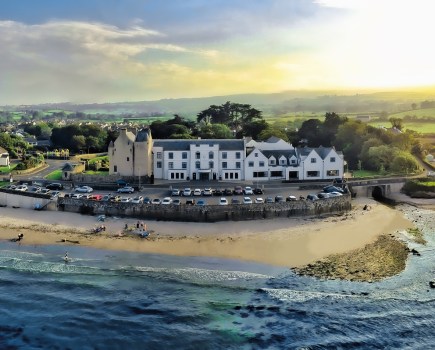
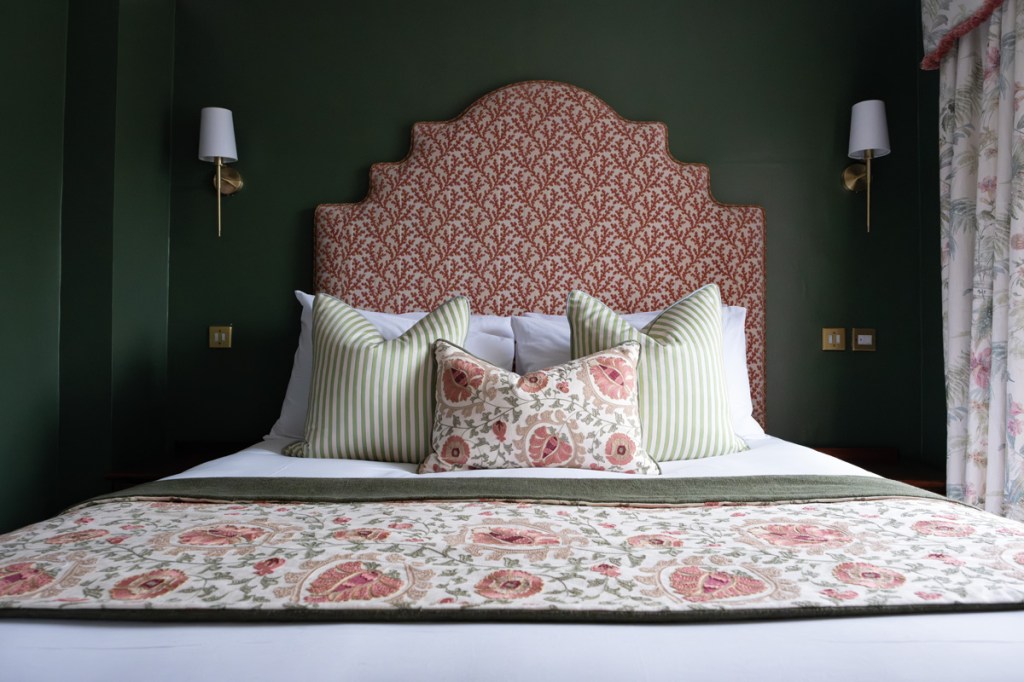
We spend our first night at the newly opened Harbourview Hotel by the sea in Carnlough, Ballymena. Known as the national spirit, uisce beatha – the water of life – whiskey is deeply woven into the cultural history of this country and, for those who want to learn more, this is the perfect spot, with experts offering regular tastings, talks and events. The comfortable rooms are all newly decorated and there is a large restaurant as well as the tasting room. Rooms from around £150 per night B&B (theharbourviewhotel.com).
BIRDS OF A FEATHER
The following morning we head to Ballycastle Harbour to take the ferry to Rathlin Island, Northern Ireland’s largest inhabited island. Around 140 people live here but in spring they are joined by more than 250,000 seabirds, who arrive to nest on the cliffs. It’s a clear day and we circumnavigate the island, with the boat’s helpful team giving talks about what we might spot and where. Under their guidance, we see puffins, seals and plenty of razorbills and gannets. Dolphins, whales and basking sharks are also frequently spotted. Ferry services run several times a day in peak season (Adult return ferry fare £16, children £8, rathlin-ferry.com).
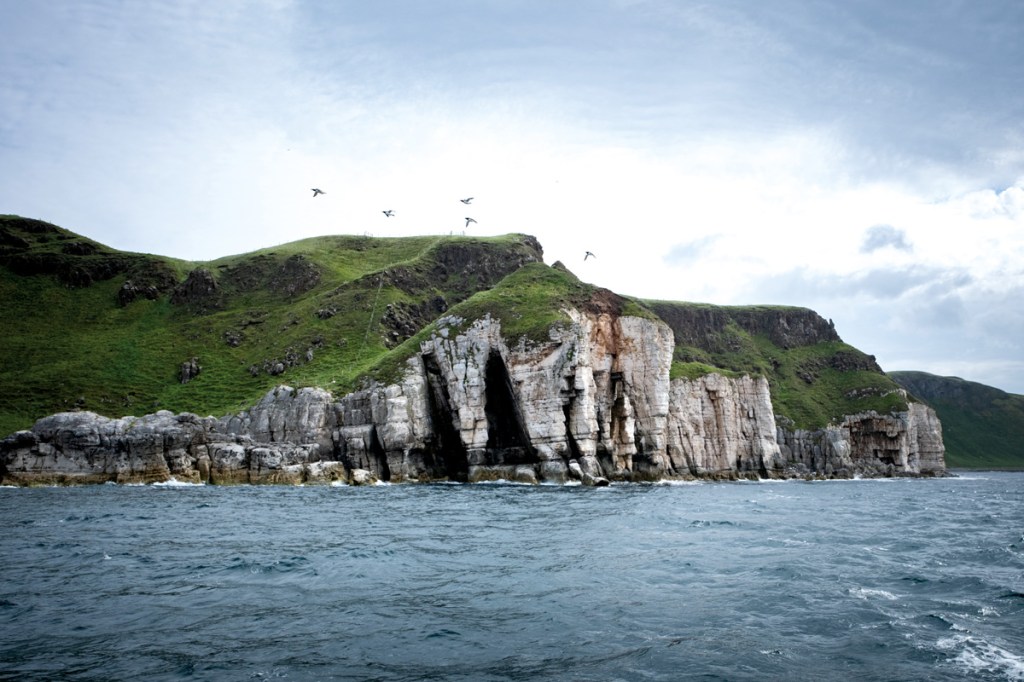
We land on the island and stop for lunch at the Manor House. This idyllic location is one of the key reasons visitors should continue their journey along the Wild Atlantic Way onto the Causeway Coast. Not only is this beautiful island home to an abundance of wildlife, it is also full of history and myth – legend has it that this is where Robert the Bruce, having fled to the island in 1306 after his defeat in the Battle of Methven, was inspired to fight again by the persistence of a spider spinning its web in a cave.
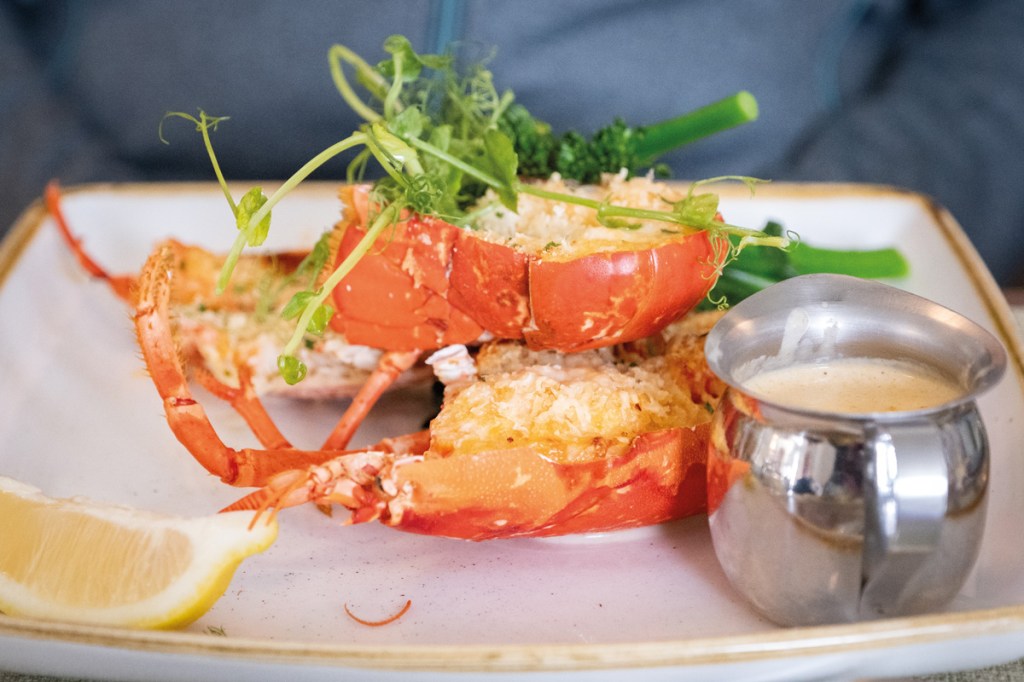
The friendly staff at the Manor House serve us local lobster and sea bass fillets as we watch the boats bobbing in the sunshine (half lobster £17, sea bass £18, light lunches from £9). Although we were not able to stay this time, I’d highly recommend
an overnight stop here, with prices from just £80 for a single room and £140 for a double (manorhouserathlin.com).

IN THE FOOTSTEPS OF GIANTS
After returning to the mainland, we head west to the Giant’s Causeway, Northern Ireland’s first UNESCO World Heritage Site. This remarkable natural landmark is made up of around 40,000 interlocking basalt columns formed by volcanic activity over 60 million years ago. Legend has it that the columns were built by the Irish giant Finn McCool as a path to Scotland.
The site has been a tourist attraction for centuries. The horse-drawn carriages that took sightseers to the sea in Victorian times have now been replaced with a regular shuttle bus, but if you are able, walk down; the views are stunning. Entry costs £15 per adult and £7.50 per child and is free for under-fives and National Trust members. Due to its popularity, booking in advance is recommended (nationaltrust.org.uk/giantscauseway).
DERRY GIRLS
We come to the end of the Causeway Coast part of our journey in Derry and spend a night at the traditional Bishop’s Gate Hotel (rooms from around £170 per night, bishopsgatehotelderry.com).
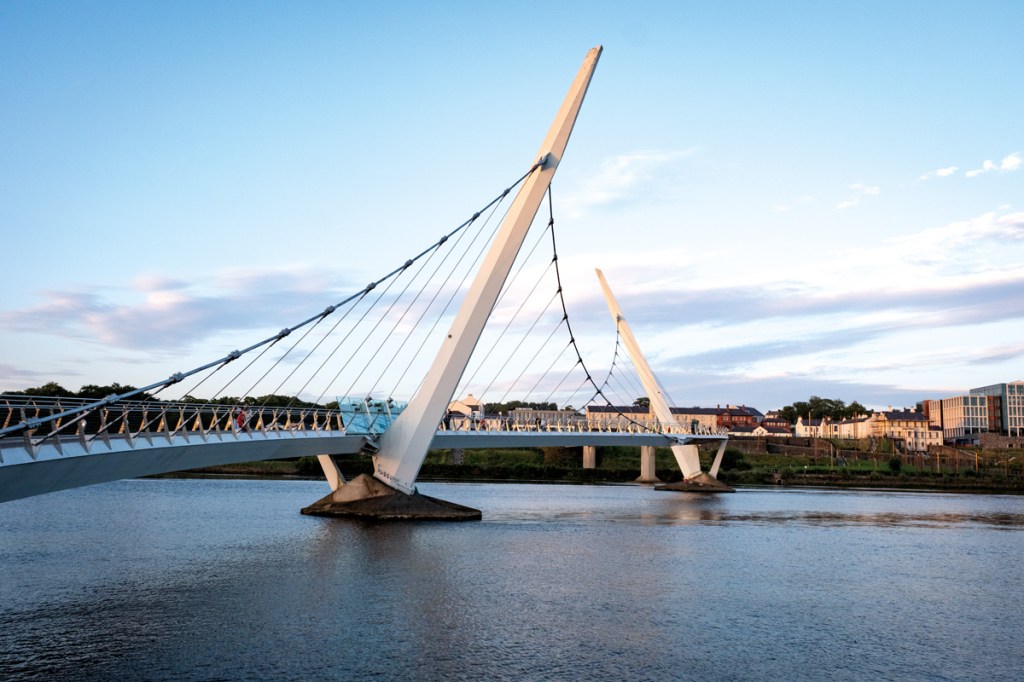
This walled city sits on the banks of the River Foyle and is well worth a visit for the wonderful welcome, amazing community, traditional pubs and burgeoning food scene. It’s also incredibly moving to walk across the pedestrian Peace Bridge, opened in 2011, which now connects the historically divided parts of the city.
Foodies who want to get to know what’s on offer should book a tour with the wonderful team of locals at Derry by Fork. Lasting between three and four hours and including more food than you can eat, it’s a great alternative to going out for a meal – prices from around £80 per person (derrybyfork.ie).
OH DONEGAL
The next morning we cross the border into Donegal. We have now entered The Republic of Ireland and pounds change to euros – however, there are no physical barriers or customs checks, due to the Northern Ireland Protocol, which upholds the Good Friday Agreement and the previous CTA (Common Travel Area).
The green rolling hills of Donegal, surrounded by sea, are so beautiful that they literally move me to tears. We head though miles of jaw-dropping scenery to the Fanad Peninsula, where the Fanad Lighthouse stands between Lough Swilly and Mulroy Bay. Built in 1817, it guided ships through some of the most dangerous waters on the north coast.

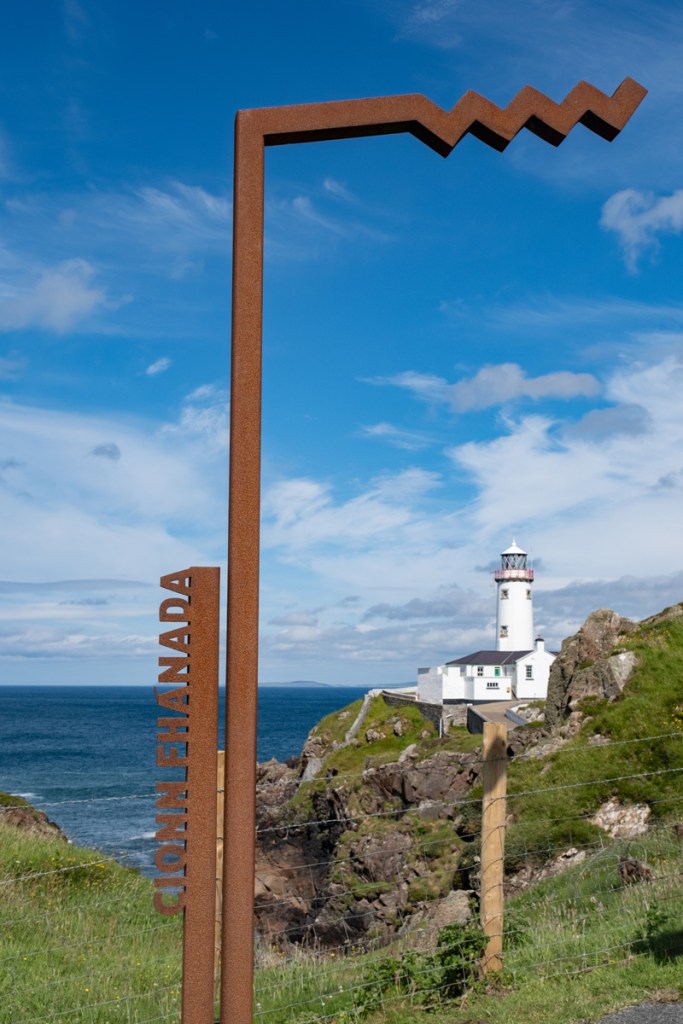
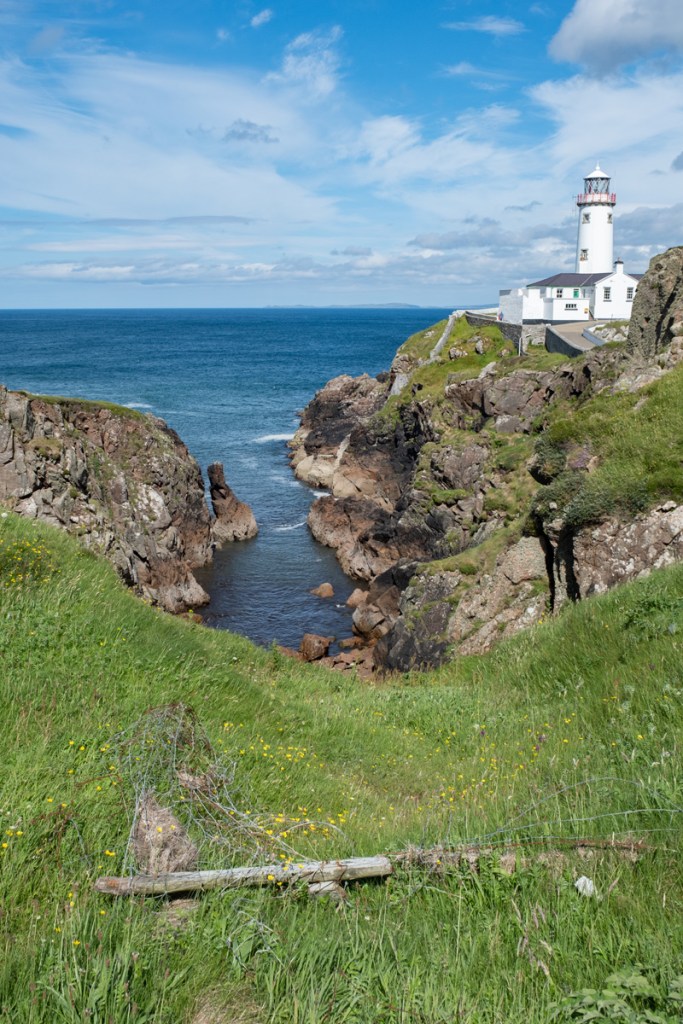
Here, we climb the lighthouse tower for views across the Atlantic and learn about life as a lighthouse keeper. Overnight stays are available in the former keepers’ cottages, making it one of the more unusual accommodation options on the route. Entry is €12 per adult, €6 per child. Two-night stays from €318 (fanadlighthouse.com).
SANDY BEACHES
It’s beach time and we are all craving a dip in the ocean. We head to beautiful Marble Hill Strand, where there’s the option of a pretty cove protected from wind by rocky outcrops, or the neighbouring long stretch of sand. The water is relatively warm, being protected within the bay and the views are glorious. After a swim, we walk a few minutes up the hill to the Shandon Hotel & Spa where we are staying for the night. This relatively new family-friendly hotel has a spa, tennis courts and pool, along with amazing views across Sheephaven Bay. Prices start at around €150 per double room per night for B&B (shandonhotelspa.com).

A CLIFFTOP EYRIE
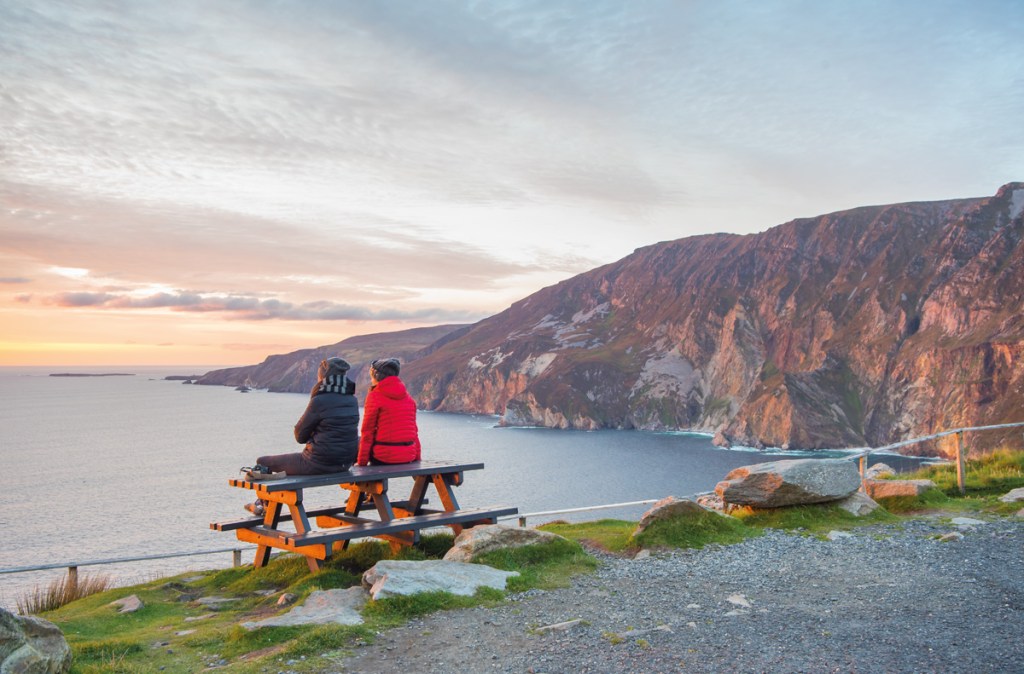
Slieve League (Irish: Sliabh Liag) is one of the highest accessible sea cliffs in Europe. Rising nearly 600 metres, they are almost three times the height of the more famous Cliffs of Moher. Despite their scale, they remain far less crowded. There’s a new visitor centre with a café at the bottom of the cliffs and those who can’t walk up the steep hill can take a shuttle bus and book a tour from here. Most people head to the main viewing platform at Bunglass Point, but more experienced trekkers continue on to the challenging trails along the cliff ridges. On clear days, the views stretch across Donegal Bay to neighbouring counties Leitrim, Mayo and Sligo (slieveleague.com).

After our windswept adventure, we stop for lunch at The Rusty Mackerel, just a few miles away. This traditional pub serves great seafood and I enjoyed a creamy seafood chowder (€11), which set me up for the whole day (therustymackerel.com).
SURF’S UP
The west Coast of Ireland is world famous for its waves, which gain height as they travel across the Atlantic Ocean. We head to the new National Surf Centre in Strandhill, but on the way, take a detour to the beautiful Glencar Waterfall, made famous by the poetry of WB Yeats – 15 metres high, it cascades into a shaded pool and has long been a place of inspiration for writers and artists. The trails around the site lead to little picnic areas, access is free and there’s a nice little café and parking (leitrimtourism.com).
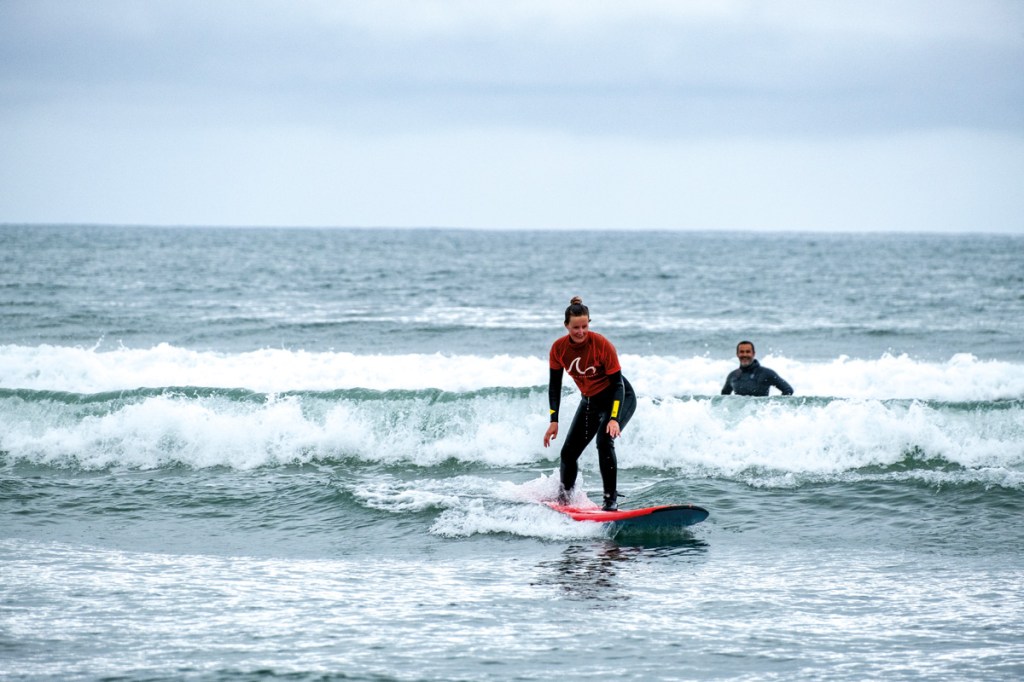
Strandhill in County Sligo has become one of Ireland’s main centres for surfing. Its beach breaks attract both beginners and advanced surfers, with waves rolling in from the Atlantic all year round. At the heart of this growth is the new National Surf Centre, the first of its kind in Ireland, which recently opened as a hub for surf schools, equipment hire and training facilities. As well as running group surf lessons (from €40 per person), the centre offers lockers and showers for travelling surfers (nationalsurfcentre.ie).
Those looking for a pint or a bite of supper after their surf should head to The Venue. This lively steak and seafood pub and restaurant is popular with both locals and visitors and as well as an extensive menu serving local produce, offers live music at the weekends (venuestrandhill.ie).
For us, the trip is at an end – with a plan to return to continue along the rest of the route another time, we head to tiny Knock Airport for our flights back home.
For more information on planning your trip along the Causeway Coast and the Wild Atlantic Way, go to Ireland.com, discovernorthernireland.com and discoverireland.ie.
Book a 10-night trip across the Causeway Coast and Wild Atlantic Way with McKinlay Kidd from £1,595 per person (mckinlaykidd.com).